The headline “Teachers Exposed as TSC Fails to Secure Sh5.3bn for Insurance Cover” creates panic and outrage, and gives the impression that the Teachers Service Commission (TSC) has abandoned over 400,000 teachers to uncertainty and suffering.
Yet a closer examination of the issue reveals a more complex reality than the dramatic framing suggests. This is reckless journalism. Nothing can be further from the truth.
Teachers have not been left without healthcare
First, it is important to understand what exactly is being discussed. The Sh5.3 billion in question does not mean teachers have suddenly been left without all medical services.
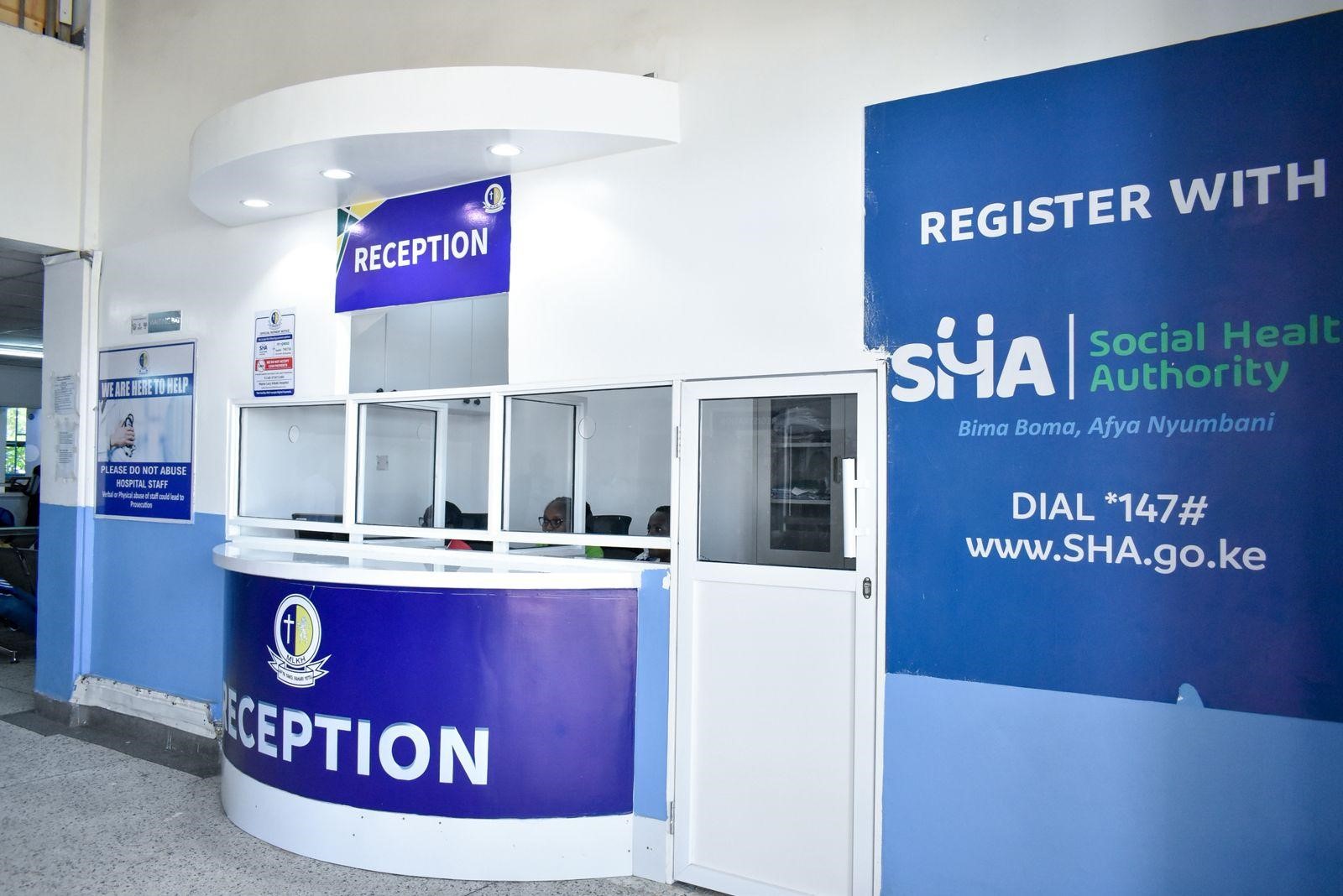
Teachers are already covered by the national healthcare system through the Social Health Authority (SHA), where the Commission says that over 400,000 teachers and nearly one million dependents have been onboarded.
What is under discussion are additional covers such as Group Life, Group Personal Accident, and WIBA-related insurance obligations. These are supplementary protections beyond the mainstream health cover now administered by the SHA.
Therefore, portraying the situation as though teachers have been abandoned without healthcare is misleading and unnecessarily inflammatory.
Budget negotiations are a normal government process
Secondly, budget estimates are not final appropriations.
Every financial year, ministries, departments, and commissions present requests that exceed Treasury allocations. The budgeting process involves negotiations, parliamentary interventions, revisions, and supplementary allocations.
It is therefore inaccurate to treat a proposed omission at committee stage as a final collapse of teacher welfare systems.
The TSC itself presented the matter before Parliament precisely because institutional mechanisms are functioning.
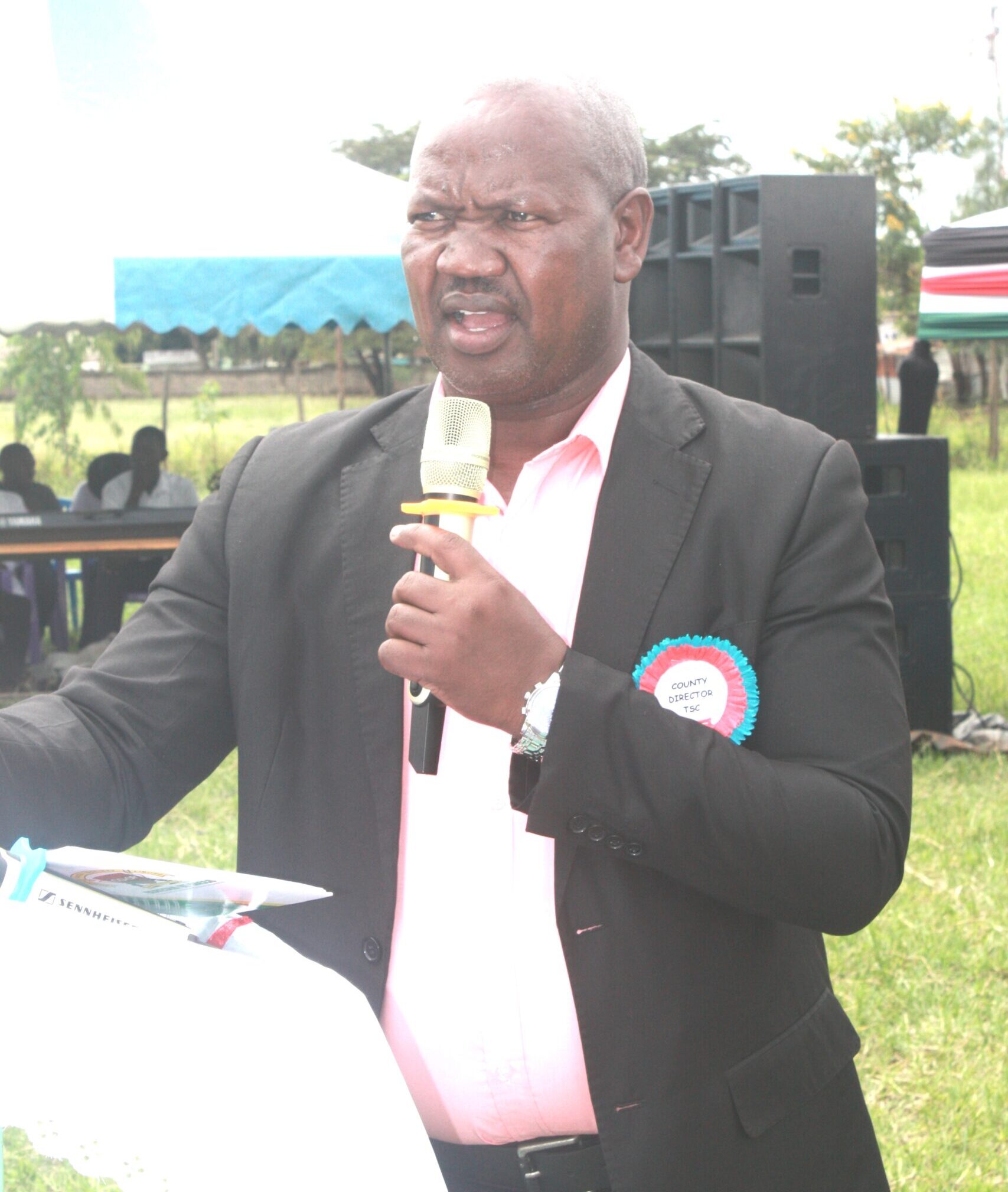
Acting CEO Eveleen Mitei appeared before MPs to explain the shortfall and request intervention. That is not evidence of negligence. It is evidence of an institution openly engaging oversight structures to resolve emerging fiscal gaps.
The entire public sector is facing financial pressure
In fact, many government sectors are currently operating under financial pressure.
Universities are complaining about underfunding. Capitation for schools has been delayed. Counties are struggling with healthcare financing. Even free education programmes are reportedly facing massive deficits.
Singling out TSC as though it alone created Kenya’s budget constraints ignores the broader national economic context.
The article also creates the impression that teachers are uniquely vulnerable compared to other public servants.
Yet transitions into SHA have affected almost all public institutions in Kenya. Questions about how complementary insurance schemes will operate alongside SHA are still being addressed across the public sector.
Teachers are not isolated victims of an intentional conspiracy.
TSC is already carrying enormous responsibilities
Critics must also acknowledge the enormous financial burden already carried by TSC.
Teacher salaries consume one of the largest portions of Kenya’s recurrent expenditure annually. The Commission is simultaneously handling recruitment, promotions, intern confirmations, teacher training, disciplinary management, and staffing shortages.
The same Commission accused of “exposing teachers” is also planning to recruit more than 100,000 teachers and convert 20,000 interns into permanent, pensionable positions.
That hardly reflects an institution abandoning the profession. Rather, it shows an institution trying to stretch limited resources across competing priorities.
Insurance systems also have their own challenges
There is also a tendency in public discourse to treat insurance providers as entirely innocent while placing all blame on TSC.
Yet Kenya has experienced persistent disputes around medical schemes, delayed reimbursements, and inflated insurance contracts across sectors.
Questions about the sustainability, efficiency, and cost-effectiveness of large insurance arrangements cannot simply be ignored.
For years, teachers complained about frustrations under private insurance administration, especially delays in approvals, hospital disputes, and restrictions in service delivery.
The shift toward SHA was partly driven by the need to streamline access to universal healthcare. Therefore, the current transition should be evaluated carefully before being condemned wholesale.
A funding gap does not mean total collapse
Another issue missing from the alarmist reporting is the legal and procedural distinction between “budget allocation” and “actual service collapse.”
The absence of allocation at one stage does not automatically mean teachers will wake up tomorrow without protection.
Parliament still has room to intervene. Treasury reallocations can still occur. Supplementary budgets remain possible.
Kenyan public finance processes are dynamic, not static.
The media also has a responsibility to avoid sensationalism in matters touching teachers.
Educators already operate under immense psychological pressure. Headlines suggesting they are “exposed” without a nuanced explanation only deepen anxiety among teachers and their families.
Responsible journalism should inform without provoking panic.
Teachers deserve protection and honest labour-related debate
This is not to say the concerns are invalid.
Teachers deserve comprehensive medical and injury protection. WIBA obligations are statutory requirements and should indeed be funded adequately.
But demanding accountability is different from constructing a narrative of total institutional failure.
The real conversation Kenya should have is broader and more honest: Can the country sustainably finance its expansive public-sector obligations amid growing fiscal strain?
That question goes beyond TSC. It affects healthcare, education, infrastructure, and social protection nationally.
Blaming TSC alone oversimplifies systemic economic realities.
Kenya must balance expectations with economic reality
There is also an uncomfortable truth many avoid discussing.
Kenya’s teacher population has grown significantly, while demands on public finances continue to increase.
Citizens want higher salaries, comprehensive insurance, increased recruitment and promotions, modern classrooms, digital learning, and reduced taxation simultaneously. Yet public resources remain finite.
Serious policy discussions require balancing ideals with fiscal realities.
Ultimately, teachers deserve facts, not fear.
READ ALSO: KUPPET pushes TSC on CBA, promotions and confirmation of intern teachers
The issue before Parliament is a funding gap requiring urgent resolution, not evidence that teachers have been abandoned by the state.
The Commission has already escalated the matter publicly, meaning institutional attention is already focused on it.
Rather than weaponising the issue politically or emotionally, stakeholders — including Parliament, Treasury, unions, and TSC — should work collaboratively toward sustainable financing solutions that protect teachers without misleading the public.
Teachers are the backbone of Kenya’s education system. Their welfare must remain a national priority.
But public debate must also remain balanced, factual, and grounded in the realities of public finance management rather than sensational headlines designed to provoke outrage.
By Ashford Kimani
Ashford teaches English and Literature in Gatundu North Sub-county and serves as Dean of Studies.
You can also follow our social media pages on Twitter: Education News KE and Facebook: Education News Newspaper for timely updates.
>>> Click here to stay up-to-date with trending regional stories
>>> Click here to read more informed opinions on the country’s education landscape