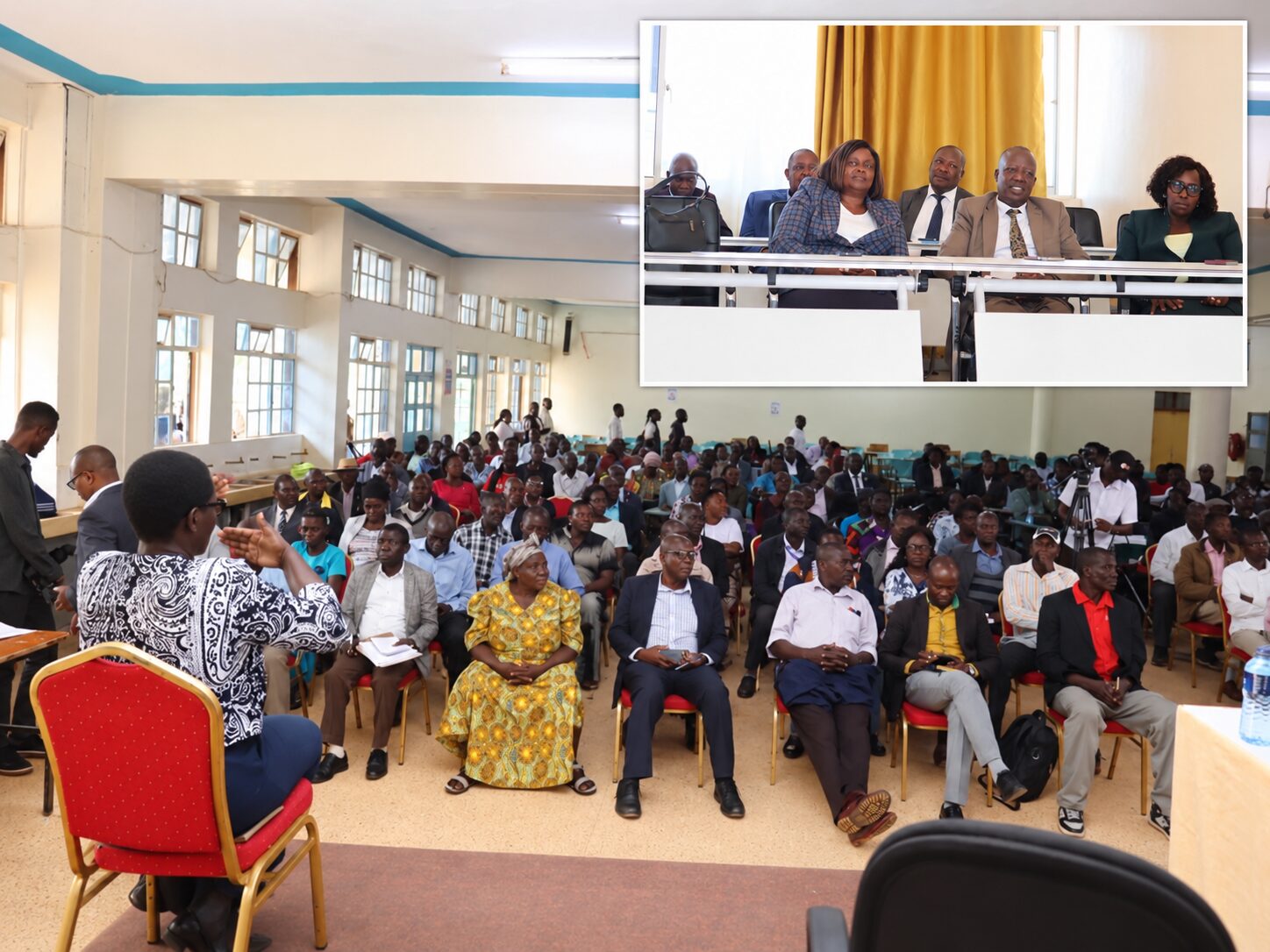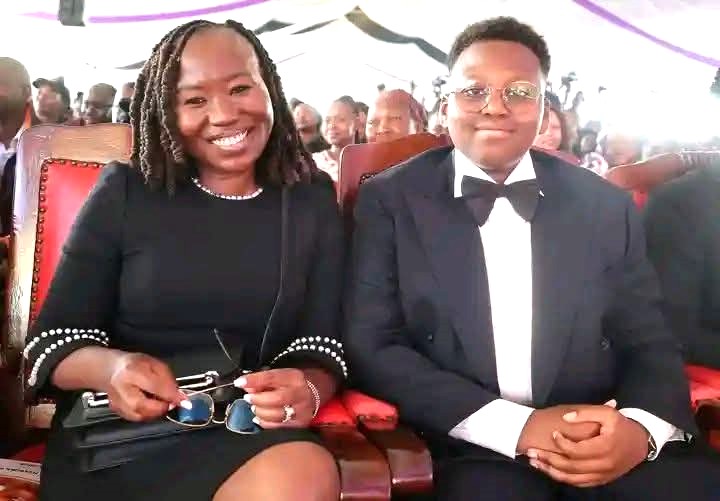
As the mourning period continues following the burial of Kisii County Senator Richard Onyonka’s mother, former IEBC Commissioner Dr Roseline Akombe reiterated her commitment to the family’s care and continuity.
Speaking to Education News at the family home, she identified herself as one of the bona fide daughters-in-law of the late Mama Teresiah Nyaboke.
She recalled spending time with the deceased, describing her as a woman who valued education and was determined to see all her children educated.
“I repeat what I said yesterday to the public by encouraging Mama’s grandchildren to carry her legacy by working hard in school and succeed in life,” she said.
She also thanked well-wishers who contributed seed money to the Onyonka Family Education Fund, meant to support future generations.
When asked about living in a large polygamous family with four co-wives, Dr Akombe declined to comment in detail. She said she respects both African and Christian approaches to family life and wants peace with everyone, including her husband and their son, Baraka Momoima.
This follows Senator Onyonka’s public statement that he has five wives and twelve children.
Among the Abagusii of Kisii and Nyamira counties, polygamy has historically been recognised under customary law and was not viewed as taboo. A man with multiple wives was often seen as a sign of wealth, responsibility, and social standing since the ability to provide for several households required cattle, land, and labour.
Each wife typically lived in her own house within the family compound, known as enyomba, with a piece of land attached. Seniority among wives was determined by the order of marriage, and the first wife usually held authority over household matters and over younger co-wives.
Children belonged to their mother’s house for inheritance and identity, and property was divided among the houses to avoid disputes. The eldest son of the first wife often carried a senior role in the family, but all sons had recognised claims.
Co-wives were expected to cooperate in farming, childcare, and community duties, with the culture placing strong emphasis on Amasikani — respect and peaceful coexistence. Elders and clan leaders traditionally intervened whenever conflicts arose to maintain unity.
In modern times, the practice has shifted due to Christianity and Kenyan statutory law. The Marriage Act 2014 recognises only monogamous unions unless a marriage is registered under customary law.
Despite this, many Abagusii families in rural areas still maintain polygamous households informally. Public discussion of the practice has become more sensitive, and women in such families often frame their position as one that respects both customary and Christian values.
READ ALSO: I joined school in Class 3 due to hardships at home, Senator Onyonka tells mourners at his mother’s funeral
Against this backdrop, Senator Onyonka’s open assertion and Dr Akombe’s emphasis on peace reflect the traditional Abagusii expectation that polygamous families should function through clear structure, seniority, and mutual respect, even as legal and religious norms continue to shape how the practice is understood today.
By Enock Okong’o
You can also follow our social media pages on Twitter: Education News KE and Facebook: Education News Newspaper for timely updates.
>>> Click here to stay up-to-date with trending regional stories
>>> Click here to read more informed opinions on the country’s education landscape
>>> Click here to stay ahead with the latest national news.