
As the August holidays approach for schools, Kisii County is an ideal place to visit for teachers and students seeking a refreshing break from academic work. Tucked in the lush highlands of western Kenya, the county is a place where rolling green hills meet rich Gusii culture, and where every valley seems to hold a story waiting to be told.
Often overlooked by travellers rushing to the coast or the Maasai Mara, Kisii offers a quieter and deeper kind of beauty—one that lingers in the misty mornings, the laughter in rural markets, and the cool shade of indigenous trees. For those seeking authenticity, tranquillity, and landscapes that feel untouched by time, Kisii is Kenya’s best-kept secret.
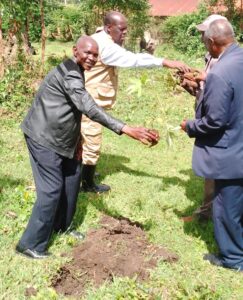
Begin your journey at Humphreys Hill House, perched on the outskirts of Kisii town. This charming retreat sits above the town like a watchful guardian, offering sweeping views of patchwork farmlands and distant hills. At its heart lies the Mogiti Cultural Boma, where Gusii heritage comes alive through food, music, and storytelling. Here, you can savour traditional meals like wimbi ugali paired with tender mbuzi nyama choma, and wash it down with locally blended beverages such as Manga 5. The experience is crowned by sweet golden honey harvested from the historical ridges associated with Sakaqwa and Paramount Chief Kirera Ooga—a taste of Kisii’s legacy in every spoonful. Mornings at Humphreys arrive with a gentle fog that slowly lifts to reveal red-roofed homesteads and banana plantations stretching toward the horizon. It’s not just a place to stay; it’s a place to pause, eat, and connect with the culture.

A short drive east brings you to Vienna in Nyamache, a serene getaway that feels worlds away from the bustle. Named for its European-inspired gardens and calm atmosphere, Vienna offers manicured lawns, flower-lined pathways, and quiet corners ideal for picnics and reflection. The cool Nyamache air and the sound of birds in the eucalyptus groves make it a favourite destination for couples and families looking to unwind. Here, time slows down, and you remember what it feels like to enjoy a weekend without an agenda.
For a taste of Kisii’s natural and recreational charm, head to Karmel Park at Kiogoro. This green oasis blends leisure and nature, with shaded picnic spots, walking trails, and open fields that invite impromptu football matches or lazy afternoons under jacaranda trees. Children run freely while adults enjoy the cool breeze and scenic views of the surrounding hills. Karmel Park captures the spirit of Gusii hospitality—unpretentious, generous, and deeply rooted in community. It’s the kind of place where strangers become friends over roasted maize and tea.
Beyond the parks and gardens, Kisii’s landscape rises into something more dramatic. The great hills of Sameta stand tall against the sky, their slopes shaped by generations of farming and dotted with homesteads clinging to the ridges. Climb one at dawn, and you’ll be rewarded with breathtaking views stretching for miles—a sea of green interrupted only by winding footpaths and clusters of blue gum trees. The hills are alive with the sound of cattle bells and distant songs, reminding visitors that life here moves to the rhythm of the land.

Running through it all is the Gucha River, Kisii’s lifeline. The river begins as a modest stream in the highlands, gathering strength as it carves its way through valleys and farmlands before flowing toward Lake Victoria. Along its banks, children fetch water, women wash clothes on smooth stones, and fishermen cast their nets in the late afternoon light.
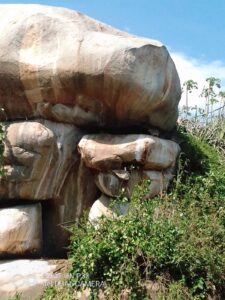
Following the Gucha downstream leads visitors to one of Kisii’s most remarkable cultural sites: the historic Tabaka Soapstone region. While in Tabaka, visitors quickly notice the unique accent of the Abagirango community, characterised by the distinct use of the letter “D” in speech. It is one of Gusii’s living cultural wonders—rich in identity, language, and tradition.
Tabaka is more than a mining area; it is a living museum of Gusii artistry. For centuries, local artisans have carved soapstone into intricate sculptures, bowls, and ornaments using techniques passed down through generations. Visit a workshop and watch as a rough block of stone transforms into a graceful bird or ceremonial bowl under patient hands. The dust of Tabaka carries the scent of history, and every piece tells a story of identity, resilience, and creativity. Take one home, and you carry a piece of Kisii with you.
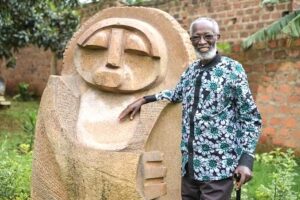
What makes Kisii County unforgettable is not just its scenery, but the way the land and its people belong to each other. The hills are farmed with care, the rivers are respected, and visitors are welcomed not as tourists but as guests.
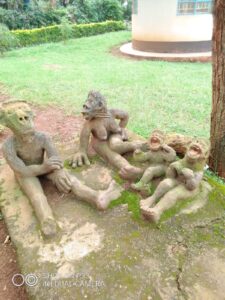
Whether sipping tea at Humphreys Hill House, strolling through Vienna’s gardens, laughing with family at Karmel Park, standing atop Sameta’s peaks, or holding a Tabaka carving in your hands, one thing becomes clear: Kisii is real, grounded, and deeply alive.
READ ALSO: Kisii: Giasobera Secondary gets NG-CDF funds to build storeyed classrooms, ease student congestion
So come to Kisii. Come for the hills that touch the clouds, the rivers that remember every rain, and the hands that shape stone into art. Leave with more than photographs—leave with a sense of peace you never knew you were missing. Kisii County is waiting: quiet, beautiful, and ready to show you a side of Kenya you will never forget
By Enock Okong’o
You can also follow our social media pages on Twitter: Education News KE and Facebook: Education News Newspaper for timely updates.
>>> Click here to stay up-to-date with trending regional stories
>>> Click here to read more informed opinions on the country’s education landscape
>>> Click here to stay ahead with the latest national news.