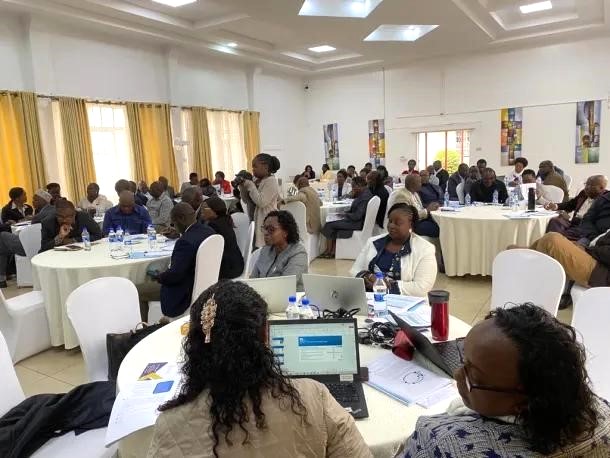
The country’s education sector has recently been facing a surge in student unrest, with harsh disciplinary practices and weak communication between learners and school administrations cited as key triggers. This emerged during an emergency virtual meeting convened on Thursday by the Basic Education Principal Secretary, Julius Bitok, to address escalating cases of strikes, dormitory fires, walkouts, and property destruction that have disrupted learning in several institutions nationwide.
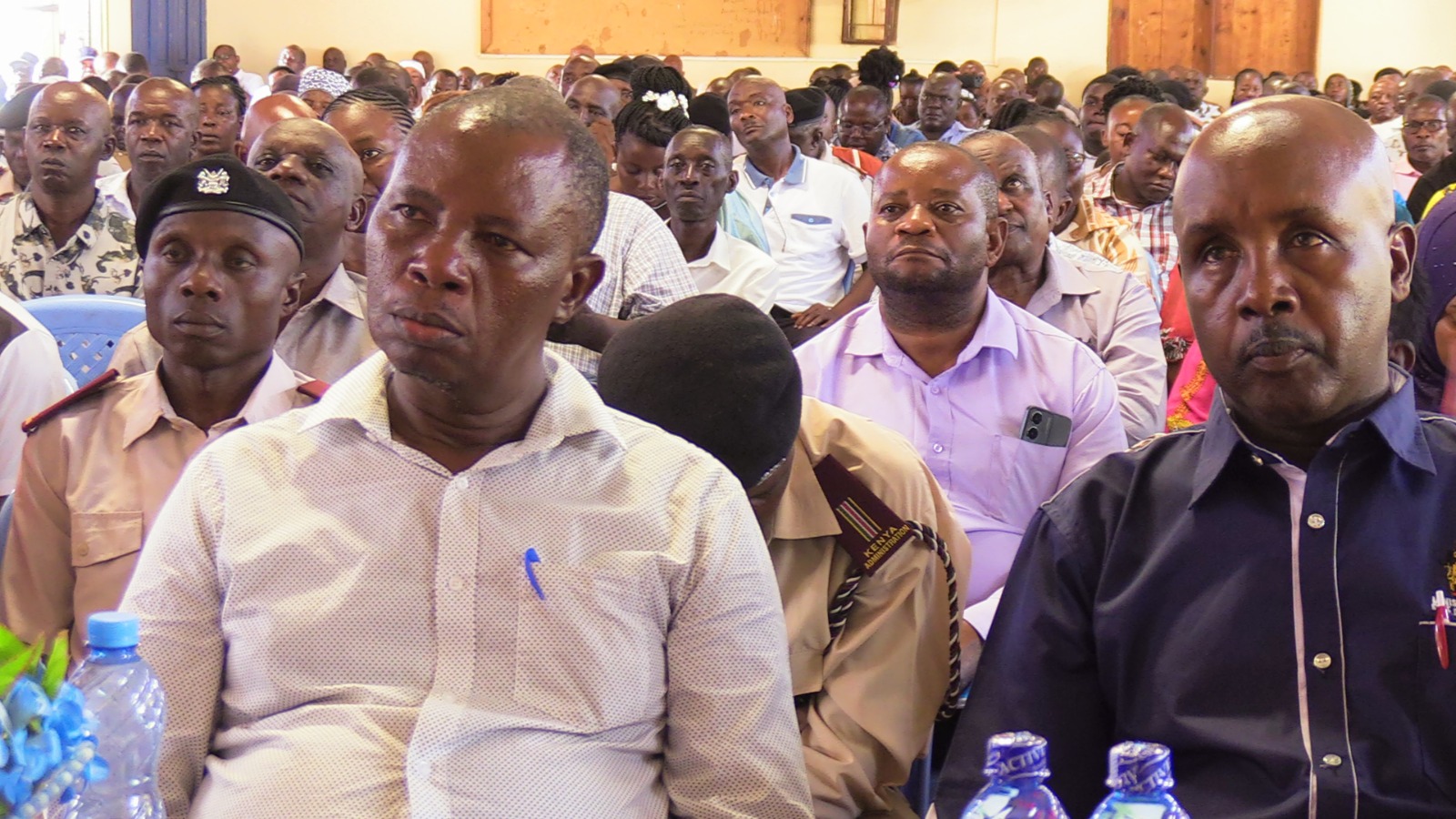
The meeting brought together regional directors of education, field officers, and senior school heads, comes against the backdrop of mounting incidents that have left students injured and schools counting losses worth millions of shillings. Among the affected institutions is State House Girls, where unrest recently disrupted learning.
Regional education directors presented briefs highlighting the main drivers of the crisis. Poor student engagement in decision‑making, harsh and unfair disciplinary measures, and weak communication channels between learners and administrators featured prominently. Other factors included academic pressure, examination fatigue, poor living conditions, peer influence, drug and substance abuse, weak guidance and counselling structures, negative social media influence, and governance challenges within schools.
ALSO READ:
PS Bitok directed schools to adopt proactive, learner‑centred approaches in handling grievances to prevent tensions from escalating. He noted that the second term is traditionally prone to unrest. He urged administrators to strengthen communication channels between students, teachers, parents, and school management to promote openness, trust, and the timely resolution of concerns. “We are aware of incidents of unrest in some of our schools, which have unfortunately interfered with smooth learning and the closure of some institutions. We must be on the lookout for the triggers to effectively preempt them,” he said.
Bitok further encouraged institutions to involve learners more in decision‑making processes to cultivate a sense of belonging and shared responsibility. He cautioned against punitive disciplinary practices, saying schools should embrace fair, humane, and corrective approaches that promote discipline without fuelling resentment.
“Discipline should be fair, supportive and corrective. Schools must create environments where learners feel heard, respected and supported,” he added.
Schools were also instructed to strengthen guidance and counselling departments to provide psychosocial support and mentorship, especially for students struggling with academic pressure, emotional distress, and social challenges. On student welfare, the PS stressed the need to improve living conditions and create safe, supportive, and learner‑friendly environments.
The meeting also addressed the growing influence of social media among students, with officials urging schools to roll out digital literacy and awareness programmes to guide learners on responsible online behaviour. Administrators were additionally challenged to improve governance, accountability, and institutional management practices to ensure transparency, inclusivity, and effective leadership.
Prompted by the escalating restlessness, the Ministry of Interior earlier in February announced a crackdown targeting schools in counties considered hotspots for unrest, including Kericho, Nandi, Nakuru, Kitui, Tharaka‑Nithi, Kakamega, Narok, Kisii, Nyeri, Nyamira, Kajiado, Migori, Kirinyaga, Trans‑Nzoia, and Nairobi.
Bitok called on all education stakeholders to work together in nurturing disciplined, secure, and supportive learning environments that safeguard the well‑being and future of learners.
By Masaki Enock
You can also follow our social media pages on Twitter: Education News KE and Facebook: Education News Newspaper for timely updates.
>>> Click here to stay up-to-date with trending regional stories
>>> Click here to read more informed opinions on the country’s education landscape