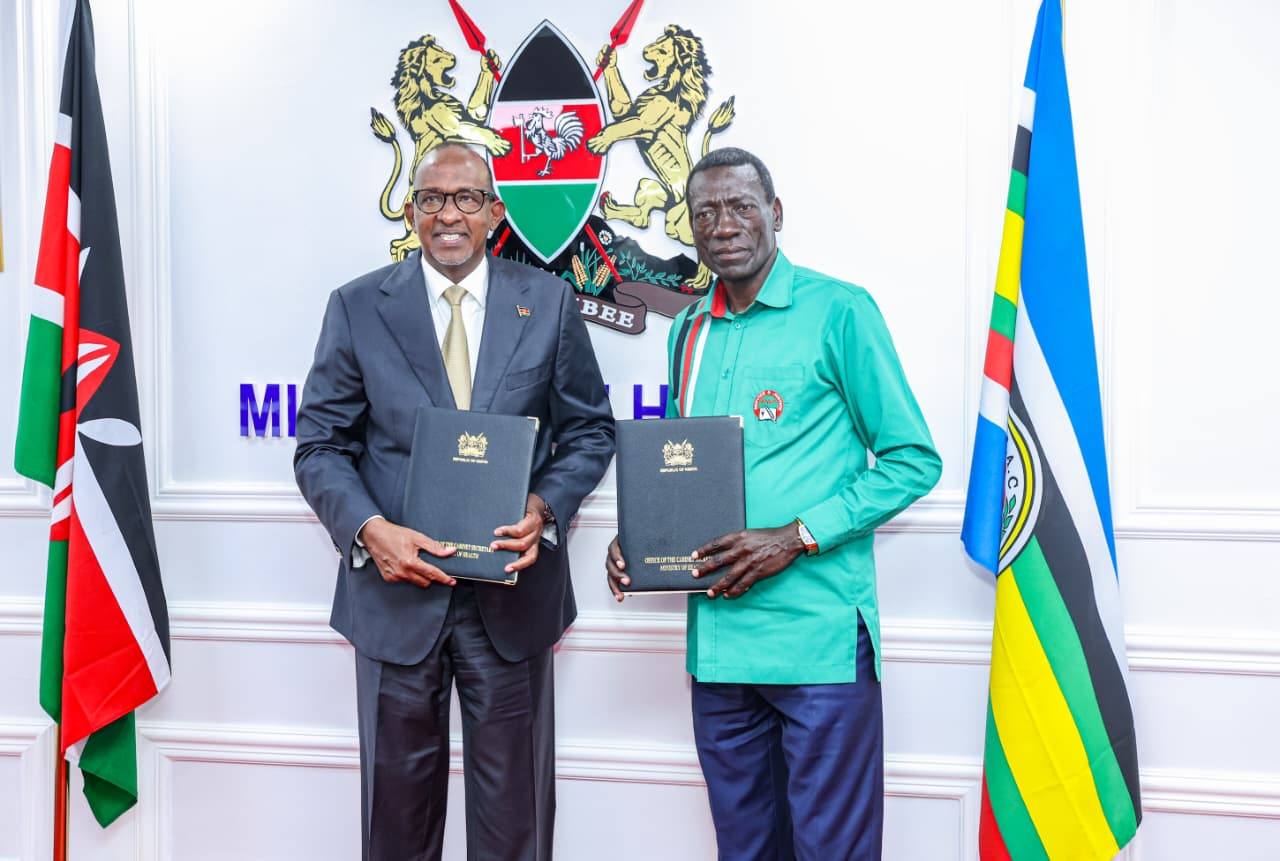
The Kenya National Union of Teachers (KNUT), the Ministry of Health and the Social Health Authority (SHA) have signed a breakthrough agreement that will see teachers access medical services without out‑of‑pocket payments, a move aimed at resolving operational challenges that had disrupted the new health scheme.
The deal sets out measures to restore seamless service delivery under the Public Officers Medical Scheme Fund (POMSF). It comes just days after a similar accord with the Kenya Union of Post‑Primary Education Teachers (KUPPET), signalling a coordinated push to stabilise the teachers’ medical cover after weeks of complaints over costs and access.
At the centre of the KNUT agreement is the immediate enforcement of a zero co‑payment policy, shielding teachers from additional charges at accredited facilities. SHA also committed to withdrawing the controversial tariff locking system, which had restricted service access and caused confusion in hospitals.
ALSO READ:
Trans Nzoia schools reopen slowly as principals demand KESSHA action over low capitation
Officials said tariff controls will only be reintroduced after county‑level negotiations with providers and union representatives.
“All health facilities offering POMSF services are strictly prohibited from charging any teacher any out‑of‑pocket fees or co‑payment,” the parties said in a joint press release, underscoring the binding nature of contracts between providers and SHA.
The deal also streamlines benefit administration. A simplified process has been introduced for the KSh300,000 last expense benefit, with 160 claims already processed and payments to next of kin scheduled to begin on April 29, 2026.
An ex‑gratia framework has been institutionalised to support teachers facing catastrophic medical expenses beyond standard cover limits, with requests vetted by the Teachers Service Commission (TSC) before SHA executes payments.
In a significant expansion of benefits, the scheme now guarantees structured access to overseas treatment. SHA confirmed it has contracted hospitals in India, Turkey, and Saudi Arabia to handle specialised cases, with the first beneficiary scheduled to depart for treatment abroad.
Teachers will also have access to in vitro fertilisation (IVF) services at designated facilities, including Nairobi West Hospital and Fertility Point, broadening reproductive health support.
To address systemic pricing disputes, SHA has set a four‑week timeline to conclude nationwide tariff negotiations covering more than 3,500 private and faith‑based health facilities. Once complete, vetted facilities will be contracted under a strict “walk‑in, walk‑out” model, allowing teachers to access services without upfront payments.
ALSO READ:
School heads directed to uphold transparency as Govt releases capitation funds
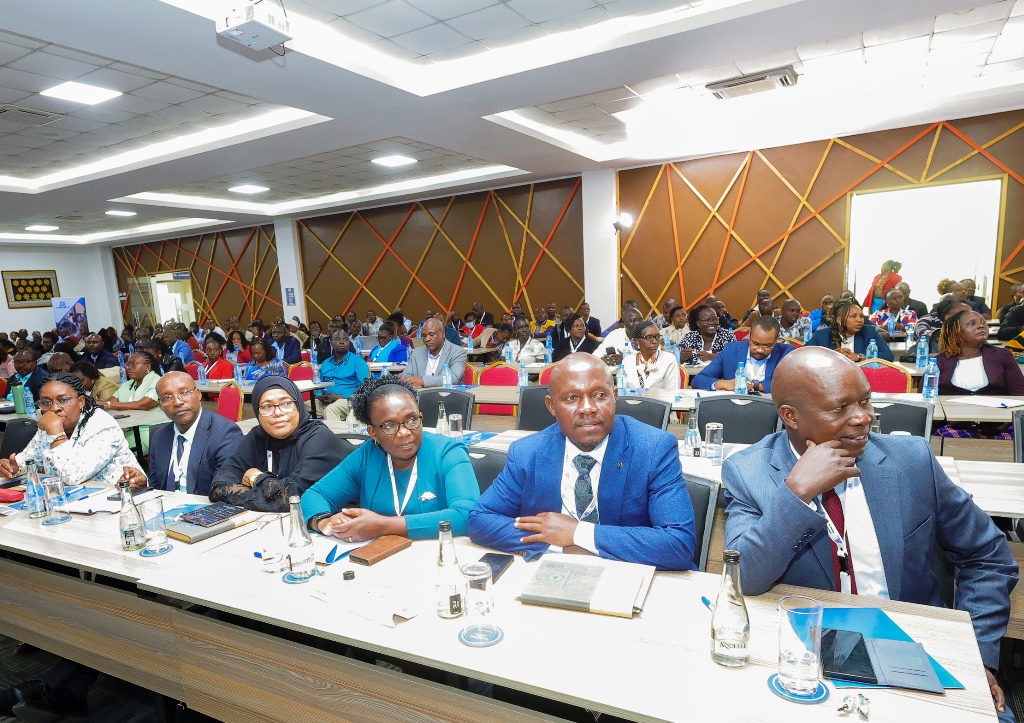
The agreement further outlines a structured dispute resolution mechanism, including a joint National Executive Council meeting between KNUT, SHA, and TSC scheduled for May 6–7, alongside the reactivation of county‑level structures to handle grievances locally. SHA pledged to regularly publish updated lists of contracted facilities to enhance transparency, while enforcing cost‑containment measures such as claims audits and quarterly reviews to safeguard the sustainability of the fund.
Following the conclusion of the four‑week negotiation period, SHA leadership will hold meetings with KNUT while the Cabinet Secretary for Health, Aden Duale, will personally engage private and faith‑based providers monthly to resolve any lingering issues around claims, payments, and system efficiency.
By Masaki Enock
You can also follow our social media pages on Twitter: Education News KE and Facebook: Education News Newspaper for timely updates.
>>> Click here to stay up-to-date with trending regional stories
>>> Click here to read more informed opinions on the country’s education landscape