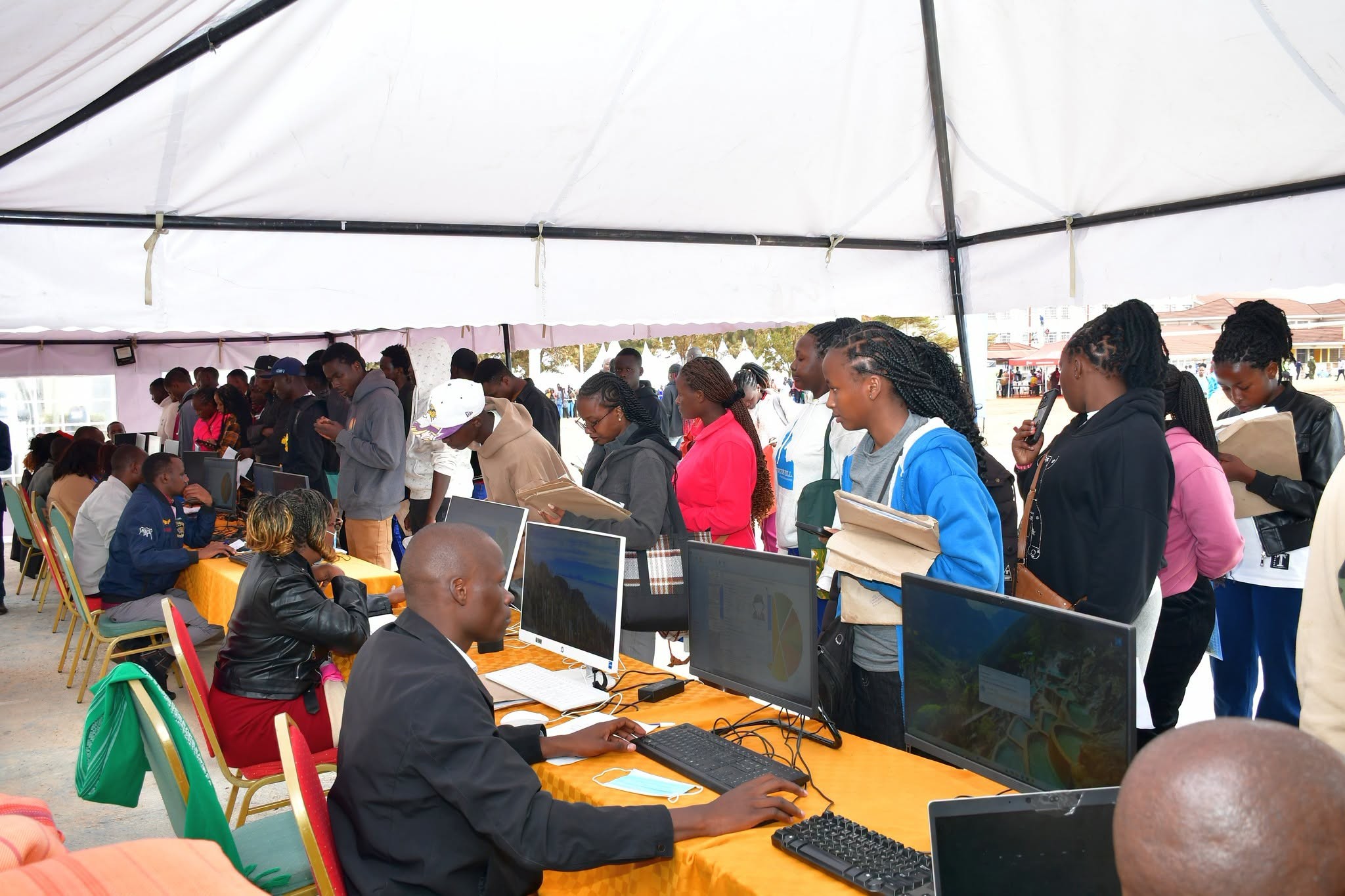
For many schools, government capitation grants have become the backbone of operational funding. However, these funds are often insufficient, irregular, and unable to fully meet the growing demands of infrastructure, staffing needs, teaching materials, and extracurricular development. In an era where education systems are evolving rapidly under Competency-Based Education (CBE), schools must think beyond dependency and embrace innovation in financial self-sustainability.
The future of resilient institutions lies in the diversification of income streams. Schools are not just centres of learning; they are also potential economic ecosystems capable of generating meaningful revenue without compromising their core mandate.
- Agricultural Enterprises as a School Economic Engine
One of the most practical and sustainable income sources for schools is agriculture. Many schools possess idle land that can be transformed into productive ventures. Crop farming, poultry keeping, dairy farming, fish farming, and horticulture can generate a steady income while also serving as learning laboratories for learners.

For instance, a school can rear layers for eggs, which provide daily income, or maintain dairy cows that supply milk for consumption and sale. Vegetables grown in school gardens can supply the kitchen and surplus sold to the local market. This dual role—income generation and practical learning—aligns perfectly with CBE principles.
- School Infrastructure Leasing and Rentals
Schools often have facilities that remain unused for long periods, especially during holidays and weekends. These can be monetised through rentals. Classrooms can be used for adult education, computer training, or church services. School halls can host weddings, conferences, workshops, and community events.
Additionally, schools located in urban or semi-urban areas can lease space for small businesses such as kiosks, canteens, or stationery shops. Even land parcels can be leased fornications unication masts or parking spaces, creating long-term passive income.
- Investment in Renewable Energy
The shift toward sustainability presents schools with a unique opportunity. Installing solar panels can significantly reduce electricity bills and even generate surplus energy that can be sold back to the grid where systems allow. While the initial investment may be high, partnerships with NGOs, county governments, or private investors can make this viable.
Beyond savings, schools that invest in renewable energy position themselves as are modern, environmentally conscious institutions, reinforcing environmental education in practice.
- ICT and Digital Service Provision
With increasing digitalisation, schools can establish ICT hubs that serve both learners and the surrounding community. Computer labs can offer basic computer literacy courses to adults, online application services, printing, and cyber café services after school hours or during holidays.
Some schools are also exploring e-learning platforms where revision materials, recorded lessons, and tutorials are sold or accessed on subscription. This not only generates income but also strengthens academic performance.
- Transport Services and School Assets
Schools that own buses or vans can optimise their use by offering transport services beyond school trips. During weekends and holidays, vehicles can be hired out for events, excursions, or community functions.
Proper management ensures that such assets do not become liabilities but rather income-generating investments that offset maintenance costs.
- Alumni Networks and Giving Culture
Former students represent an often underutilised resource. A well-organised alumni association can contribute financially through donations, fundraising drives, mentorship programs, and sponsorship of infrastructure projects.
Schools that actively engage their alumni tend to benefit from scholarships, laboratory equipment donations, library stocking, and even the construction of buildings. Building a strong alumni culture requires consistent communication and inclusion in school activities.
- Partnerships with Private Sector and NGOs
Strategic partnerships can unlock significant funding opportunities. Corporations often support education through corporate social responsibility (CSR) programs. Schools can benefit from sponsorship of laboratories, ICT equipment, libraries, and scholarships.
Non-governmental organisations also support projects in water, sanitation, environmental conservation, and girl-child education. Schools that are proactive in proposal writing and networking stand a better chance of attracting such partnerships.
- School-Based Enterprises and Student Projects
Under Competency-Based Education, learners are encouraged to engage in practical projects. Schools can commercialise some of these outputs. For example, carpentry workshops can produce desks and furniture for sale. Home science departments can produce baked goods, detergents, or crafts for local markets.
This approach not only generates income but also equips learners with entrepreneurial skills and real-world experience.
- Boarding and Ancillary Services Optimisation
Boarding schools can refine their service models to ensure efficiency and minimal waste. However, beyond efficiency, some schools are exploring value-added services such as premium meal plans, branded merchandise, and school-managed uniform shops.
These services, when well-regulated, can generate additional income while ensuring quality control for learners.
- Environmental and Green Projects
Tree nurseries, carbon credit projects, and environmental conservation initiatives are emerging in many avenues. Schools can grow tree seedlings and sell them to county governments, NGOs, or community groups involved in reforestation.
READ ALSO: Over 1.1 million secondary students miss capitation funds as budget deficits widen
Environmental clubs can also be linked to funded climate action projects, turning sustainability into both a learning experience and a revenue stream.
CONCLUSION
The era of relying solely on government capitation grants is gradually fading. Schools must reposition themselves as self-sustaining institutions capable of generating internal revenue while maintaining their educational mission. Diversification of income is not a luxury—it is a necessity for survival and growth.
However, it is important to emphasise that income generation must never compromise the primary purpose of schools: education. Proper governance, transparency, and accountability mechanisms must be put in place to ensure that all income-generating activities serve the best interests of learners.
Ultimately, schools that innovate financially will not only survive but thrive in the evolving educational landscape.
By Hillary Muhalya
You can also follow our social media pages on Twitter: Education News KE and Facebook: Education News Newspaper for timely updates.
>>> Click here to stay up-to-date with trending regional stories
>>> Click here to read more informed opinions on the country’s education landscape
>>> Click here to stay ahead with the latest national news.