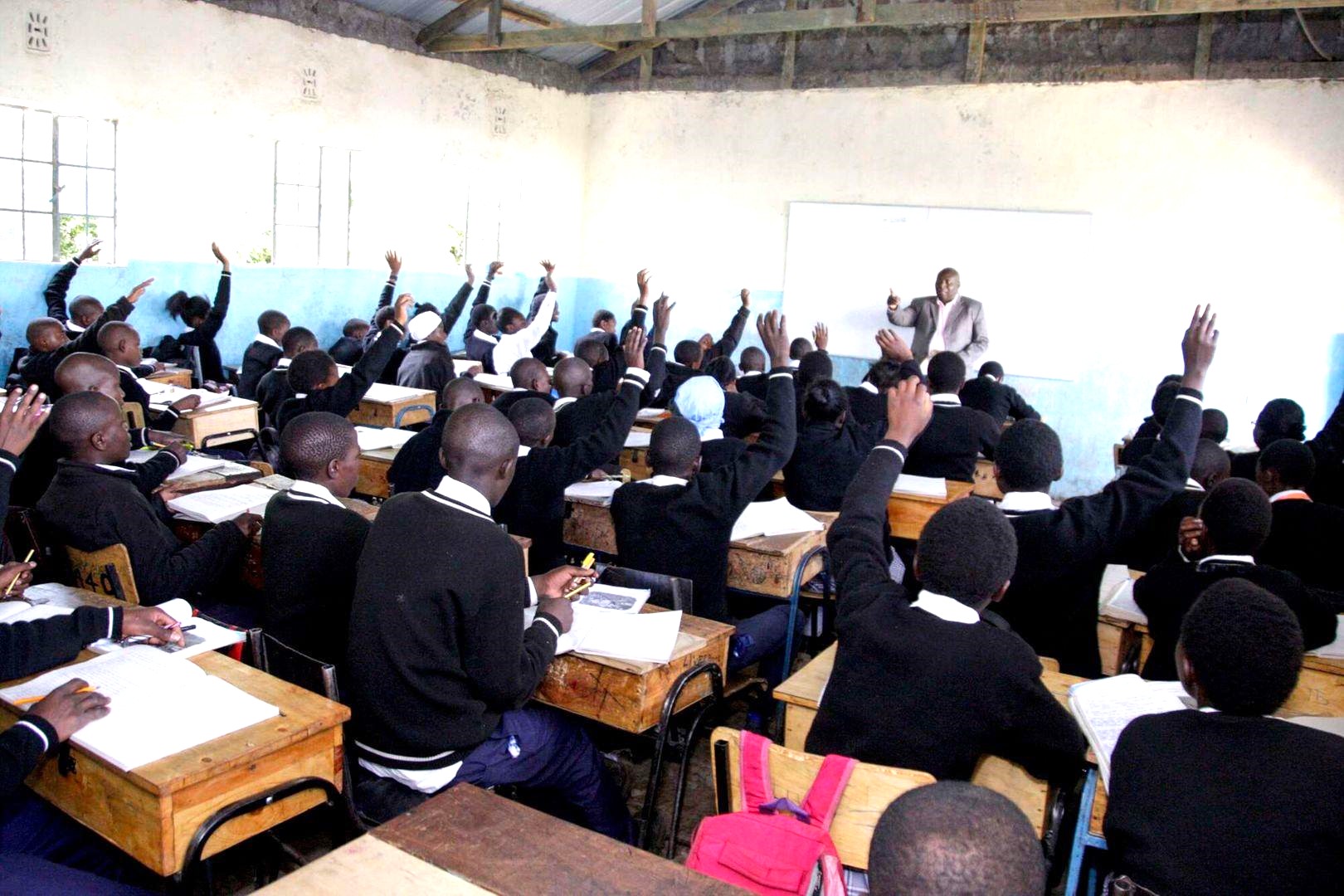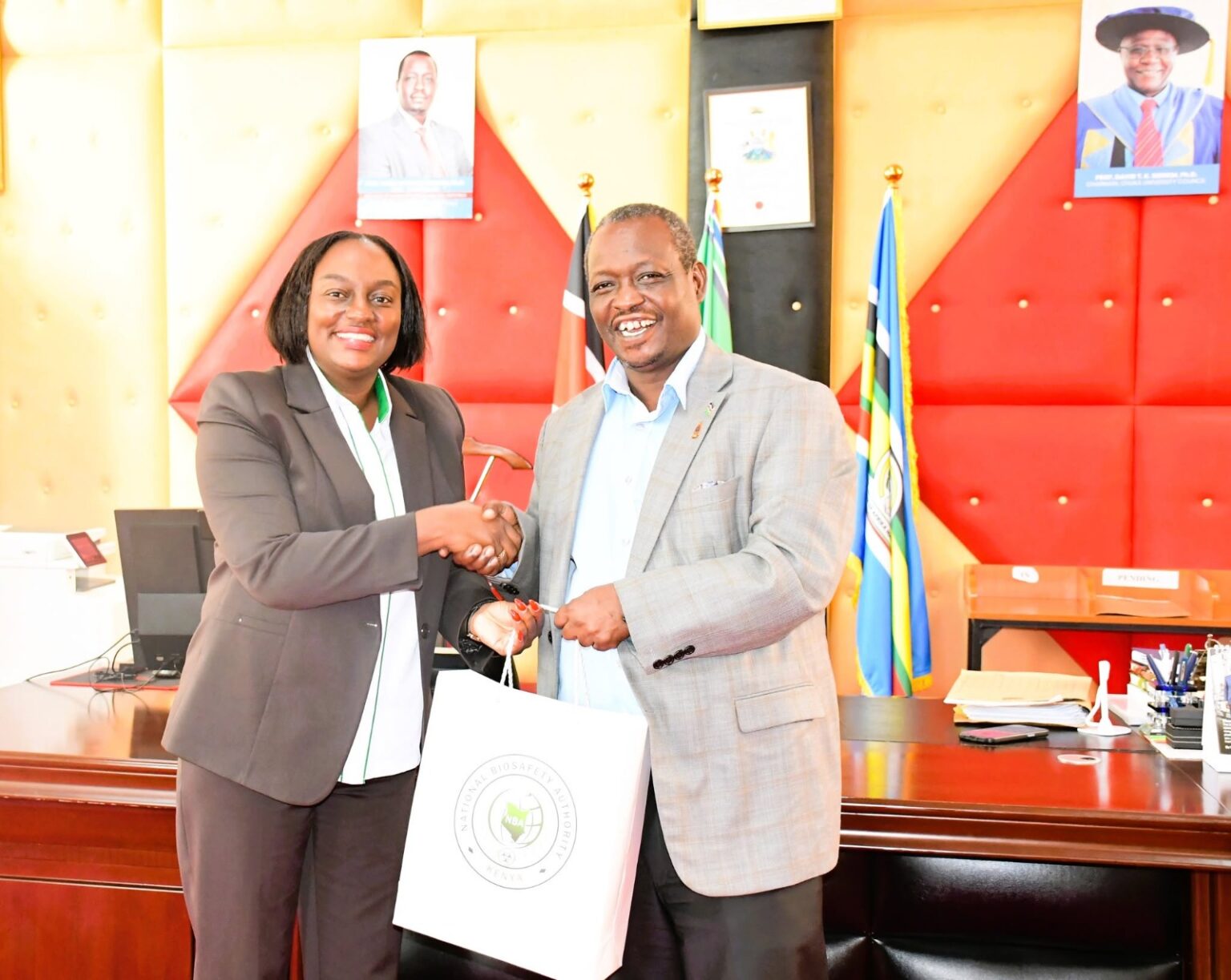
The Centre for Mathematics, Science and Technology Education in Africa (CEMASTEA) has rolled out 2026 ICT training programme, intensifying its nationwide teacher capacity-building efforts.
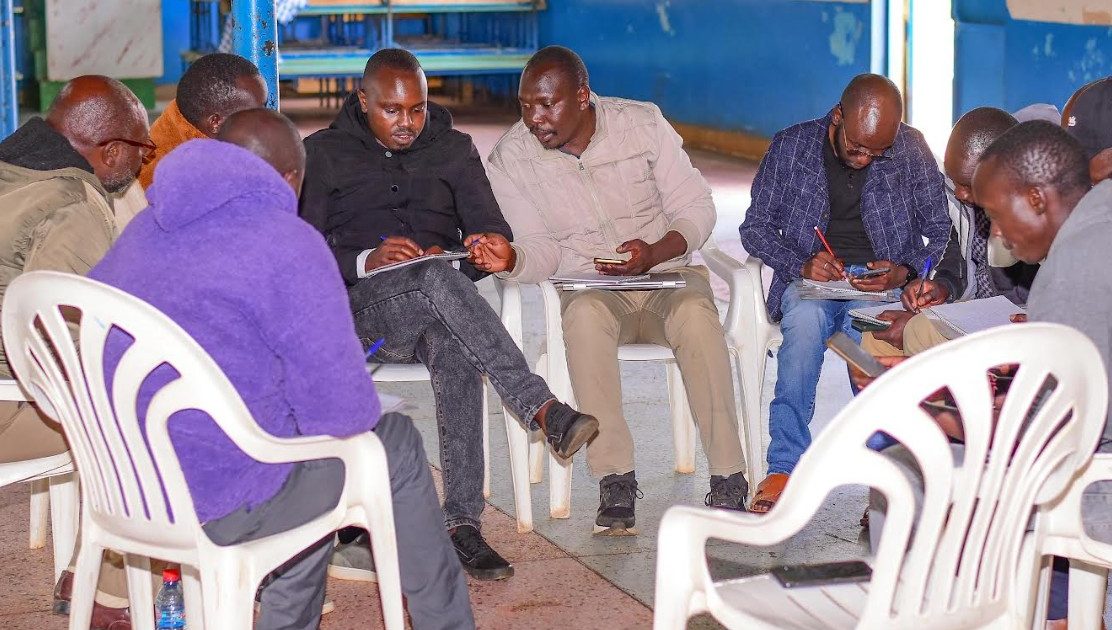
The programme, themed ‘Navigating the Transition: AI Literacy for Senior School Teachers’,aims to offer structured Artificial Intelligence (AI) training programme for senior school teachers, and is currently taking place at Kaptagat Girls High School, bringing together teachers drawn from across Elgeyo Marakwet County.
The programme, designed to strengthen STEM instruction under the Competency-Based Education (CBE) equip educators with practical AI knowledge and learner-centred pedagogical approaches.
Speaking during the training, CEMASTEA trainer Joel Rutto said the initiative is informed by findings from a national training needs assessment that revealed gaps in teachers’ preparedness to integrate emerging technologies in teaching.
“We are conducting training on AI for senior school teachers, particularly within the STEM pathway, following an assessment that showed about 40 per cent of teachers were not receptive to new technology,” said Rutto.
He noted that the findings underscored the urgency of upskilling teachers to match the rapidly evolving digital landscape and the growing technological awareness among learners.
ALSO READ:
MPs question sustainability of free education amid funding gap in schools
“Today’s learners, especially in Grade 10, are highly tech-savvy. If the learner becomes more knowledgeable than the teacher, then a gap emerges. This programme is meant to bridge that gap through targeted capacity building,” he explained.
Rutto emphasized that CEMASTEA’s mandate is anchored on teacher professional development, with the institution focusing on delivering tailored modules that integrate AI into learner-centred education.
“We are concentrating on integrating AI into classroom practice. Our modules are designed to align with the STEM pathway while enhancing practical, hands-on learning experiences for both teachers and students,” he said.
He added that the training is implemented through a cascade model to ensure scalability and sustainability. “Training begins at the national level, cascades to counties, and finally to institutions. Once Heads of Departments are trained, they are expected to train other teachers, creating a multiplier effect across the education system,” Rutto noted.
He noted that So far, 142 teachers in Elgeyo Marakwet county have been reached, with 71 trained in the current phase and another 71 previously equipped with similar skills.
Despite the progress, Rutto acknowledged that the transition to full AI integration remains a work in progress. “We cannot conclusively say we are fully ready, but we are making significant strides. Currently, we estimate that about 50 to 60 per cent of teachers are ready to integrate AI into teaching,” he said.
He called for a shift in mindset among educators and school leadership to fully realise the benefits of the programme. “The world is changing rapidly, and our approach to teaching must also evolve. For improved performance under CBE, particularly at Grade 10, teachers and institutional leaders must embrace innovation and adapt to new methodologies,” he stated.
While CEMASTEA continues to lead in teacher training, Rutto reiterated that successful implementation requires complementary support in infrastructure and resources from the Ministry of Education.
Teachers attending the training acknowledged the impact of AI and ICT integration in enhancing classroom delivery, while also highlighting existing gaps.
By Juma Ndigo
You can also follow our social media pages on Twitter: Education News KE and Facebook: Education News Newspaper for timely updates.
>>> Click here to stay up-to-date with trending regional stories
>>> Click here to read more informed opinions on the country’s education landscape