The National Assembly’s Public Accounts Committee (PAC) has raised fresh concerns over whether Kenya’s basic education system can still be described as free, following revelations of persistent shortfalls in government capitation to public schools.
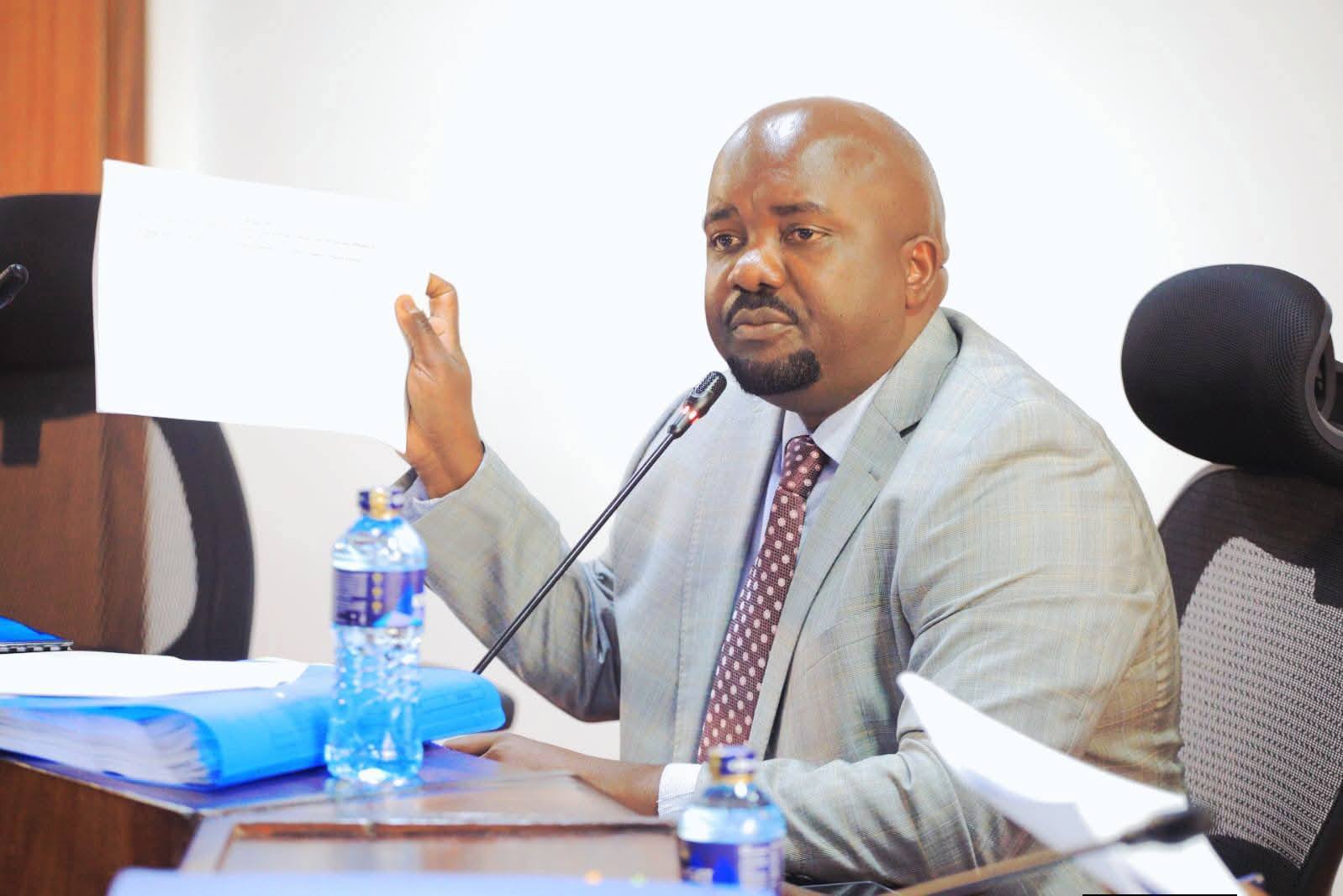
Appearing before the committee to respond to a special audit on school capitation and infrastructure funding, Basic Education Principal Secretary Prof Julius Bitok was put to task over growing funding deficits affecting learning institutions.
The Members of Parliament (MPs) questioned the widening gap between the intended government allocation of approximately Ksh22,000 per learner and the actual disbursement, which some lawmakers argued has dropped significantly, leaving schools struggling to operate.
Funyula MP Wilberforce Oundo said the current funding level appears to have fallen to nearly Ksh12,000 per learner, asking who shoulders the difference and suggesting a shift towards an openly subsidised education model where parents cover the remaining cost.
Teso South MP Mary Emase echoed the concerns, saying it was time for the government to be transparent with citizens about its fiscal limitations.
She argued that continuing to label the system as “free education” while schools face shortages was misleading.
Samburu West MP Naisula Lesuuda and Aldai MP Marianne Kitany also pressed for clarity on the government’s ability to sustain funding, with Kitany noting that a growing number of learners, estimated at about one million in 2024, were not receiving full capitation.
ALSO READ:
Over 1.1 million secondary students miss capitation funds as budget deficits widen
Mathioya MP Edwin Mugo raised alarm over reports of schools closing early and accumulating debts due to delayed or insufficient funding.
In his defence, PS Bitok said secondary school funding has been under significant strain, with a cumulative deficit of about Ksh76.9 billion recorded between the 2020/2021 and 2023/2024 financial years.
He explained that although enrolment has risen from 3.39 million to over 4.03 million learners, government allocations have not kept pace with demand.
Bitok added that while the required capitation has grown to nearly Ksh89.8 billion, budget increases have remained marginal, creating a widening financing gap now estimated at over Ksh25.8 billion.
He further noted that the current capitation benchmark of Ksh22,000 per learner has not been reviewed for about a decade, even as enrolment continues to rise.
The PS attributed the shortfall to overall fiscal constraints and parliamentary budget ceilings.
Bitok also disclosed that the government is in the process of releasing Ksh23.4 billion in capitation funds, expressing optimism that the money would reach schools before the start of the new term.
However, PAC chair Tindi Mwale criticised the government’s spending priorities, arguing that education should be treated as a critical and urgent sector.
“You cannot prioritise other sectors and neglect funding for our children,” he said, as MPs demanded urgent reforms to stabilize school financing.
By Kimwele Mutuku
You can also follow our social media pages on Twitter: Education News KE and Facebook: Education News Newspaper for timely updates.
>>> Click here to stay up-to-date with trending regional stories
>>> Click here to read more informed opinions on the country’s education landscape