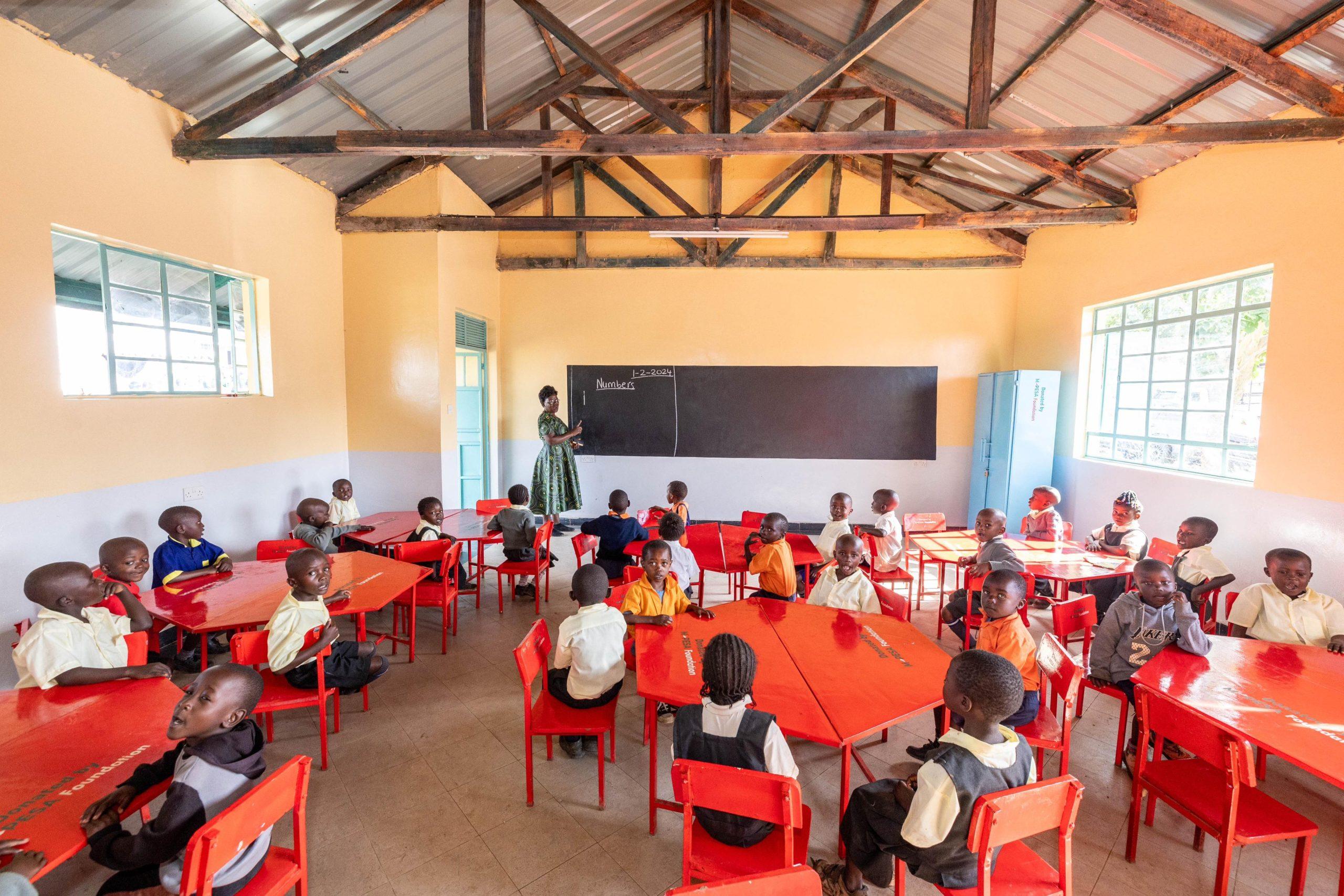
For decades, classroom management has largely been defined by rules. Lists pinned on walls, stern reminders at the start of term, and escalating consequences for those who step out of line have formed the backbone of order in many learning environments. Yet, beneath this structure lies a persistent question: do rules truly cultivate disciplined learners, or do they merely enforce temporary compliance?
A growing body of classroom practice suggests that the traditional rules-based approach, while functional, may be fundamentally limited. It often positions learners as passive recipients of control rather than active participants in a shared learning experience. In response, a quiet but significant pedagogical shift is emerging – one that reframes the classroom not as a space governed by rules, but as a community shaped by roles, routines, rights, and responsibilities.
This shift is not cosmetic; it is philosophical. It moves classroom management away from authority and towards identity, from enforcement towards ownership.
At the heart of this model is the concept of roles. When learners walk into a classroom, they are not merely students expected to behave; they are individuals invited to assume meaningful identities. They become readers, thinkers, collaborators, questioners, and even mistake-makers. This last role is particularly transformative. In many traditional classrooms, mistakes are treated as failures to be corrected swiftly. However, when an error is normalised as part of the learning process, it ceases to be a source of shame and becomes a tool for growth. Learners begin to engage more freely, take intellectual risks, and participate more authentically.
Closely linked to roles are routines. Unlike rigid rules, routines provide structure without oppression. They create predictability, which is essential for cognitive and emotional stability. When learners know that each lesson begins with a reflective prompt, transitions into guided instruction, and ends with a summary or journal entry, they are less anxious and more focused. Routines reduce the mental energy spent on figuring out “what happens next” and allow learners to channel their attention into actual learning.
More importantly, routines foster independence. Over time, learners internalise these patterns and begin to manage their own engagement. The classroom becomes less about teacher direction and more about shared rhythm.
The third element, rights, introduces a dimension that is often overlooked in traditional classrooms: dignity. Every learner enters the classroom with inherent rights—the right to feel safe, the right to ask questions, the right to be heard, and the right to make mistakes without ridicule. When these rights are explicitly acknowledged, the classroom transforms into a psychologically safe environment.

This is particularly significant in contexts where fear has historically been used as a tool of control. Fear may produce silence, but it rarely produces understanding. A rights-based classroom, on the other hand, encourages participation. Learners speak, challenge, inquire, and contribute because they know they are protected.
However, rights without structure can lead to disorder. This is where the fourth element—responsibilities—becomes essential. Every right is paired with an obligation. If a learner has the right to speak, they also have the responsibility to listen. If they have the right to feel safe, they must contribute to the safety of others. If they are given the freedom to learn, they must take ownership of that learning.
This balance creates a powerful dynamic of reciprocal accountability. Discipline is no longer imposed externally; it is cultivated internally. When a learner disrupts the class, the response is not merely punitive. Instead, it becomes a moment for reflection: which responsibility was not upheld, and how can it be restored?
Such an approach aligns closely with restorative practices, where the goal is not to punish but to repair and rebuild relationships. Conversations replace commands, and understanding replaces fear.

In the context of contemporary education systems, particularly those emphasising competency-based learning, this framework holds immense relevance. Modern curricula are increasingly focused on developing critical thinking, communication, collaboration, and self-management skills. These competencies cannot thrive in environments that prioritise obedience over engagement.
A classroom structured around roles, routines, rights and responsibilities naturally supports these competencies. Learners are not just absorbing content; they are practising life skills. They are learning how to exist within a community, how to manage themselves and how to contribute meaningfully to a shared goal.
That said, this approach is not without its challenges. It demands a high level of intentionality from the teacher. Shifting from a rules-based system to a relationship-based one requires patience, consistency and emotional intelligence. It also requires a redefinition of authority. The teacher does not lose control; rather, control is redistributed. Authority becomes less about command and more about guidance.
Additionally, learners who are accustomed to strict rule-based systems may initially struggle with this transition. Freedom can be misinterpreted as the absence of boundaries. This is why the implementation must be gradual and clearly communicated. Expectations remain high, but they are framed differently.
Ultimately, the question is not whether rules should exist, but whether they should be the foundation of classroom culture. Evidence from evolving classroom practices suggests that while rules can maintain order, they rarely inspire ownership. Roles, routines, rightsband responsibilities, on the other hand, cultivate a deeper form of discipline—one that is internal, sustainable, and transferable beyond the classroom.
READ ALSO: How teachers can carefully address student indiscipline in an era of human rights
The modern classroom must move beyond managing behaviour to shaping character. It must transition from control to connection, from compliance to commitment. In doing so, it prepares learners not just to succeed academically, but to function effectively in an increasingly complex and collaborative world.
The future of education will not be built on stricter rules, but on stronger relationships.
By Ashford Kimani
Ashford teaches English and Literature in Gatundu North Sub-county and serves as Dean of Studies.
You can also follow our social media pages on Twitter: Education News KE and Facebook: Education News Newspaper for timely updates.
>>> Click here to stay up-to-date with trending regional stories
>>> Click here to read more informed opinions on the country’s education landscape
>>> Click here to stay ahead with the latest national news.