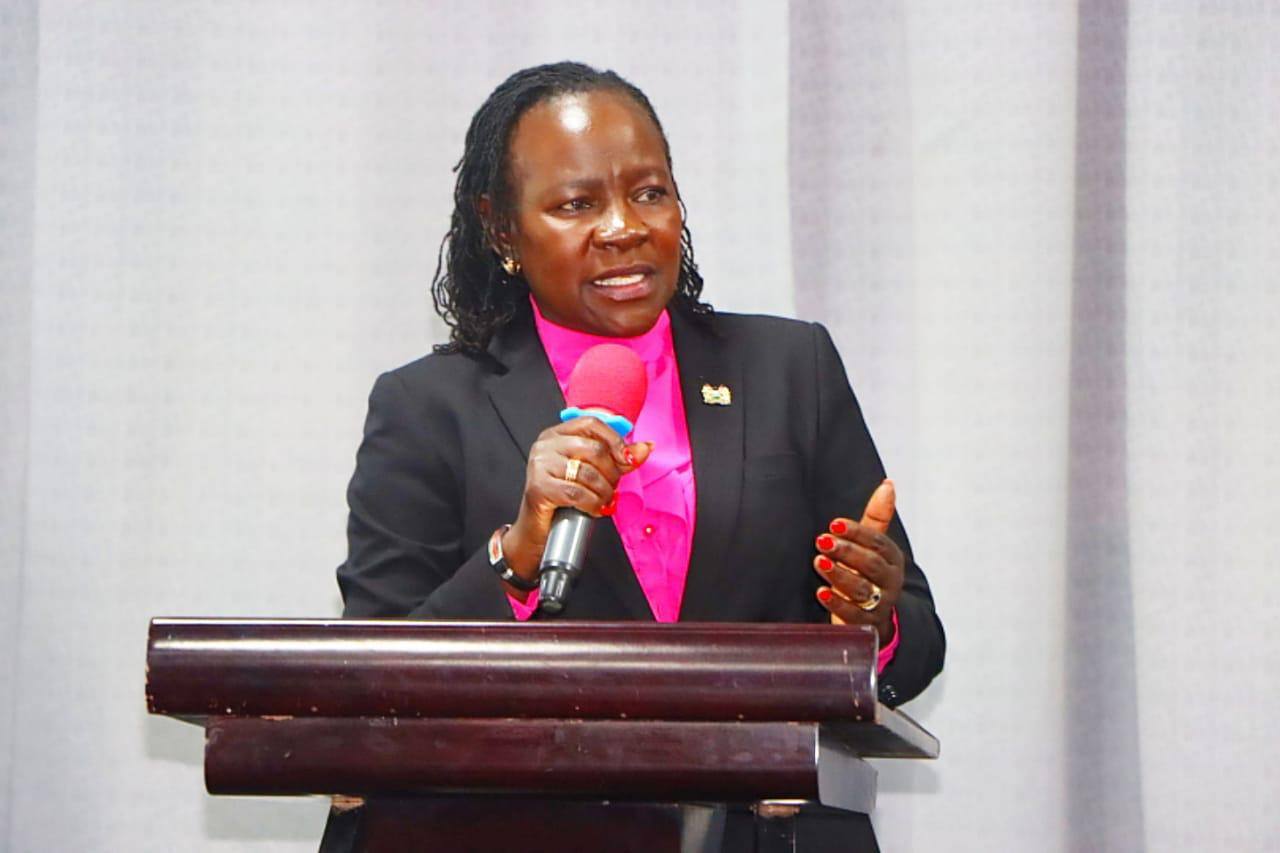
The State Department for Technical and Vocational Education and Training (TVET) has embarked on a major initiative to improve governance and staffing structures across the sector, convening key stakeholders for a workshop dedicated to developing new Human Resource instruments.
The forum, held in partnership with the Public Service Commission of Kenya, is tasked with producing HR Policies and Procedures Manuals, staff establishment frameworks, organisational structures, and Career Progression Guidelines tailored specifically to the unique demands of TVET institutions.
Principal Secretary for TVET, Dr Esther Muoria, stressed that the exercise is not a mere bureaucratic formality but a foundational step in securing the future of skills training in Kenya. She noted that TVET has become a central pillar of the country’s development agenda, driving industrialisation, innovation, and labour mobility in line with Kenya Vision 2030 and the Bottom‑Up Economic Transformation Agenda.
ALSO READ:
COFEK wants urgent review of TVETA’s decision to close KIM, says students could unfairly affected
“No reform architecture can succeed without the right human resource foundation,” she said, adding that for ongoing reforms such as Competency‑Based Education and Training (CBET) to succeed, the people delivering them must be supported by clear and fit‑for‑purpose HR systems.
Dr. Muoria acknowledged that while enrolment and the number of institutions have grown rapidly, human resource planning has lagged behind. Many institutions, she observed, still operate with outdated staffing structures that are inadequate for current demands, a situation that has undermined quality, staff morale, and overall performance.
She emphasised that trainers in particular need a clear and structured career path to remain motivated and effective. “Where career progression is unclear, motivation declines. Where structures are weak, accountability suffers. Where policy guidance is absent, inconsistency takes root,” she warned.
ALSO READ:
Moi University staff decry salary delays, demand state intervention
The forum is expected to provide a framework that will not only enhance institutional governance but also ensure that trainers and staff are adequately supported to deliver on Kenya’s skills development agenda.
By Masaki Enock
You can also follow our social media pages on Twitter: Education News KE and Facebook: Education News Newspaper for timely updates.
>>> Click here to stay up-to-date with trending regional stories
>>> Click here to read more informed opinions on the country’s education landscape