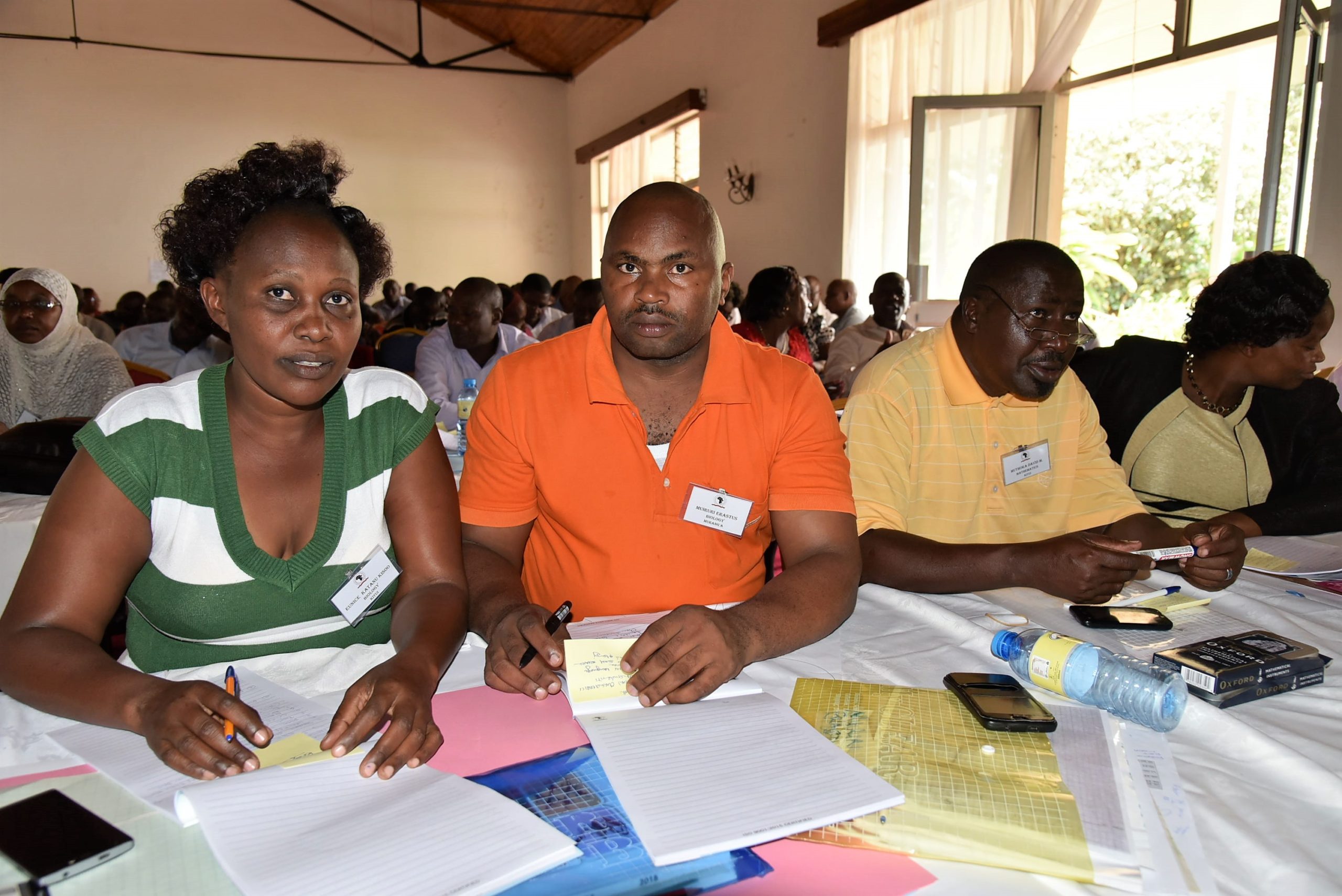
Confusion and frustration have continued to ripple across several training centres as concerns deepen over delayed payments and the financial burden placed on teachers participating in the KJSEA marking exercise.
Despite having already paid a mandatory Ksh 10,500 training fee, many teachers report that they are still uncertain about when remuneration will be released, or even whether full payments for contracted services will be made on time. The uncertainty has created a tense atmosphere around training venues, where large numbers continue to gather daily, waiting to be admitted into the marking programme.
Reports from multiple centres indicate that teachers arrive early, sometimes hours before scheduled sessions, only to wait in queues outside major schools designated as training hubs. Inside these gathering points, the mood swings between quiet frustration and reluctant acceptance, as educators weigh the financial strain against their professional obligation.
For many, the Ksh 10,500 payment has become the central point of concern. Teachers argue that the amount is significantly high, especially when compared to the uncertain timelines of reimbursement and the broader economic pressures facing educators in the country. Some have described the situation as financially draining, particularly for those who must travel, secure accommodation, and sustain themselves throughout the training and marking period.
ALSO READ;
Yet, despite the complaints, participation remains high. A striking contradiction has emerged: dissatisfaction on one hand, and strong attendance on the other. This dual reality reflects the complex nature of the teaching profession, where financial frustration often coexists with deep professional commitment.
Several teachers, speaking informally at the venues, expressed a sense of duty that overrides their grievances. They described their involvement in national examinations as a responsibility they cannot easily walk away from, even under strained conditions. Some light-hearted remarks were heard, suggesting that they would still proceed with marking as long as basic facilitation such as meals and minimal logistics support is provided. While made in passing conversation, such comments underscore a deeper truth: many educators feel emotionally tied to the examination process, even when systems appear to strain their goodwill.
The Kenya Junior School Education Assessment (KJSEA) marking exercise remains a cornerstone of the national education evaluation framework. It demands precision, consistency, and professionalism from trained examiners. However, the current structure, where teachers are required to first pay for training before engaging in assessment duties, has raised serious questions about sustainability and fairness.
ALSO READ;
Moi University enforces new exam sitting plan to curb cheating
Education stakeholders have increasingly voiced concern that such financial requirements risk discouraging participation in future assessment cycles. There are fears that continued reliance on upfront payments could erode morale and potentially limit the pool of experienced examiners willing to participate in national marking exercises.
At the heart of the matter lies a broader conversation about the welfare of teachers engaged in national service assignments. While the system depends heavily on their expertise, many argue that the financial and logistical framework supporting them has not evolved in step with current economic realities.
As the training and marking process continues, teachers remain caught between obligation and frustration, committed to their professional duty, yet increasingly vocal about the conditions under which that duty is performed.
For now, the crowds still gather, the queues still form, and the marking exercise proceeds. But beneath the surface, a quiet question lingers: how long can commitment alone sustain a system under financial strain?
By Hillary Muhalya
You can also follow our social media pages on Twitter: Education News KE and Facebook: Education News Newspaper for timely updates.
>>> Click here to stay up-to-date with trending regional stories
>>> Click here to read more informed opinions on the country’s education landscape