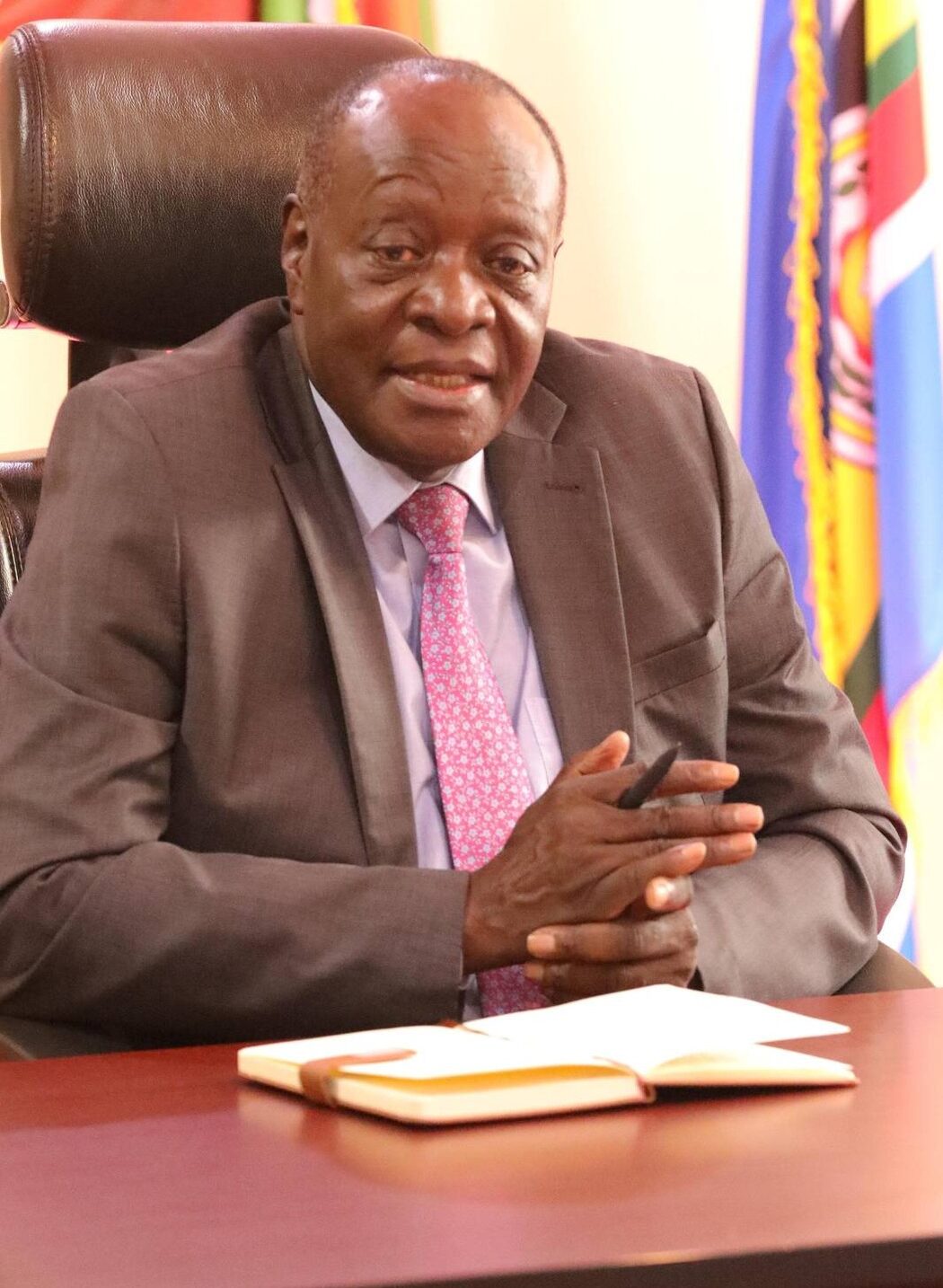
The Senate Education Committee on Tuesday held a high-level consultative meeting with Vihiga Governor Wilber Khasilwa Ottichilo to assess the county’s implementation of Early Childhood Development Education (ECDE) and Vocational Training Centres (VTCs), amid growing scrutiny over infrastructure, policy alignment, and enrolment trends.
The session, chaired by Betty Montet, brought together senior county officials, including Education CECM Anne Desma and technical directors overseeing ECDE and vocational training.
Governor Ottichilo welcomed the engagement, reaffirming the county’s commitment to strengthening foundational education and skills development. He underscored the Senate’s oversight role in ensuring effective delivery of devolved education functions.
Committee members commended Vihiga for registering 37,335 ECDE learners, describing the figure as significant given the county’s largely rural setting. The county currently operates 415 public ECDE centres, 237 feeder centres, and 97 private institutions, most of which are either integrated within primary schools or run as standalone facilities.
However, senators raised concerns over persistent infrastructure deficiencies. Vice Chairperson Margaret Kamar emphasised the urgent need to improve sanitation facilities and provide adequate play areas, noting that a conducive learning environment is essential for early childhood development. County officials acknowledged the gaps, citing incomplete compliance with national pre-primary standards despite ongoing classroom expansion.
The cost of ECDE infrastructure also came under sharp focus, with legislators questioning the reported average of KSh1.84 million per classroom. Vihiga Senator Godfrey Osotsi sought clarification on cost disparities compared to projects funded under the National Government Constituencies Development Fund (NG-CDF), while Seki Lenku urged the county to review construction costs and benchmark with other regions.
Further scrutiny was directed at long-term planning and policy frameworks. Catherine Mumma called for clarity on projected learner populations, existing policy guidelines, and the number of ECDE centres developed under the current administration. Meanwhile, Nderitu Kinyua stressed the need to adhere to national standards, including prescribed classroom dimensions, and raised questions over parental contributions and declining scholarship allocations.
In response, Governor Ottichilo attributed high infrastructure costs to prevailing Bills of Quantities but indicated willingness to review expenditures.
On governance and policy, CECM Anne Desma highlighted progress made through the enactment of the Vihiga ECDE Act, 2020, and the development of a school feeding policy, with rollout expected in the second term of the 2026 academic calendar. She added that a childcare policy is currently under development.
Concerns were also raised over governance structures, particularly the lack of independent Boards of Management for ECDE centres. The governor noted that centres are presently managed within primary school systems but acknowledged the need to formalise oversight mechanisms.
On financing, the county maintained that public ECDE centres do not charge official fees, although parents contribute through locally agreed arrangements. The county continues to fund teacher salaries, learning materials, and infrastructure.
READ ALSO: Senator demands senate probe into VTCs in Vihiga County
Teacher welfare emerged as another key issue, with Johnnes Mwaruma raising concerns over delays in implementing a scheme of service for ECDE teachers. Governor Ottichilo cited budgetary constraints but reiterated the county’s intention to align with the Salaries and Remuneration Commission’s recommendations.
Attention also turned to vocational training, where enrolment has declined to 3,809 trainees across 34 VTCs. Senators flagged low transition rates from secondary education, limited data tracking, and the absence of startup support for graduates. The governor acknowledged the gaps, noting that while startup toolkits have yet to be rolled out, the county plans to introduce a capitation of KSh15,000 per trainee annually.
The committee further emphasised the importance of inclusive education. Anne Desma confirmed that efforts are underway to recruit instructors for persons with disabilities (PWDs) in VTCs to enhance accessibility.
In closing, Senator Montet underscored the critical role of ECDE in shaping long-term learning outcomes, calling for sustained reforms across counties. Governor Ottichilo pledged to address the identified gaps and submit additional documentation where required.
Senator Agnes Kavindu Muthama was also present at the meeting.
By Godfrey Wamalwa
You can also follow our social media pages on Twitter: Education News KE and Facebook: Education News Newspaper for timely updates.
>>> Click here to stay up-to-date with trending regional stories
>>> Click here to read more informed opinions on the country’s education landscape
>>> Click here to stay ahead with the latest national news.