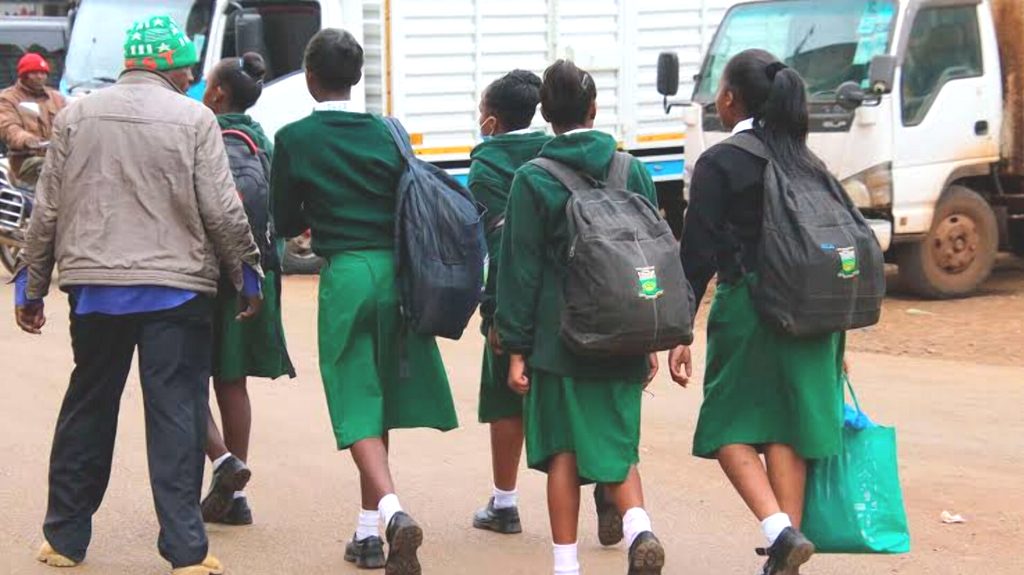
April holidays arrive like a welcome pause—an open stretch of time that can either be invested wisely or squandered recklessly. For learners, it is a break from the rigid routines of school life; for parents, it is a test of guidance and vigilance; and for society, it is a defining moment that quietly shapes the character of the next generation. What young people choose to do with this time often speak louder than their report cards ever will.
Holidays are not merely days off; they are days on—on for growth, discovery, reflection, and self-improvement. Yet, for many, April becomes a season of excess, idleness, and dangerous experimentation. Without structure, the same freedom that should nurture potential begins to erode it. Time, once lost, does not return. And in the silent ticking of wasted hours, dreams slowly fade.
A meaningful April holiday begins with intention. Learners who plan their time—balancing rest, study, skill-building, and family engagement—emerge stronger, sharper, and more prepared for the term ahead. This is the time to revise past work, read beyond the syllabus, and explore areas of curiosity that the school calendar often suppresses. Education does not only happen within classroom walls; in fact, some of the most powerful lessons are learned outside them.
Reading, for instance, remains one of the most underestimated yet transformative holiday activities. A learner who picks up books during the holiday gains more than knowledge—they gain perspective, language mastery, and confidence. Whether it is literature, biographies, or practical guides, books quietly sharpen the mind and expand the horizon. In contrast, a learner who abandons intellectual engagement for weeks returns to school mentally dull and academically disadvantaged.
But holidays are not just about academics. They are also a time to acquire life skills—skills that schools rarely teach but life constantly demands. Learning basic responsibilities at home, assisting parents, engaging in small income-generating activities, or volunteering within the community builds character, discipline, and resilience. These experiences shape responsible citizens, not just successful students.
ALSO READ:
Bungoma’s Kapsokwony Boys strike over alleged missing Ksh17M Kapkugo festival
Unfortunately, the darker side of April holidays cannot be ignored. For some learners, this period becomes a playground for indiscipline. Peer pressure, unchecked freedom, and lack of supervision often lead to risky behaviors—substance abuse, early sexual activity, crime, and other forms of moral decay. What begins as “just trying something new” can quickly spiral into lifelong consequences.
Spending the holidays irresponsibly is not merely a personal failure; it is a societal concern. A learner who drifts into destructive habits does not only harm themselves—they burden families, disrupt communities, and strain national development. The seeds of future problems are often planted in these unstructured moments of youth.
Parents and guardians play a crucial role during this period. Guidance cannot be outsourced. Monitoring, mentoring, and meaningful engagement must replace neglect and assumption. Knowing where children are, who they spend time with, and how they use their time is not control—it is care. A present parent during the holidays is a powerful shield against many hidden dangers.
Equally important is the role of teachers and community leaders. Even outside the school term, mentorship should not go silent. Organized holiday programs—academic clinics, sports activities, mentorship forums, and skill workshops—can provide structure and purpose. When young people are meaningfully engaged, the chances of drifting into negative behavior reduce significantly.
Technology, too, presents a double-edged sword. While it offers access to vast educational resources, it also exposes learners to distractions and harmful content. Social media, gaming, and endless screen time can consume entire days with little to show for it. The key lies in guided use—leveraging technology for learning while setting boundaries against excess.
ALSO READ:
Thika High alumni step in as school grapple with Ksh18 Million fee arrears, poor facilities
Amid all this, it is important to remember that rest is also necessary. Holidays should refresh the mind and body. However, rest should not be mistaken for idleness. True rest restores energy; idleness drains purpose. A balanced holiday includes moments of relaxation, family bonding, and personal reflection.
Perhaps the greatest opportunity April holidays offer is self-discovery. Away from the structured demands of school, learners can begin to understand themselves—their strengths, weaknesses, passions, and aspirations. This is the time to ask important questions: What do I want to become? What steps am I taking toward that goal? What habits must I change?
These are not easy questions, but they are necessary. A young person who uses the holiday to reflect and recalibrate gains clarity that many adults struggle to find.
As schools reopen, the difference becomes evident. There are those who return energized, focused, and ahead—and those who come back disoriented, unprepared, and struggling to catch up. The gap is not created in the classroom; it is created during moments like the April holiday.
Time is a silent judge. It rewards those who respect it and punishes those who ignore it. Every hour of the holiday carries a choice—build or break, grow or waste, prepare or regret. The outcome is rarely accidental; it is the direct result of daily decisions.
April holidays, therefore, should not be taken lightly. They are not just a break in the academic calendar—they are a test of discipline, responsibility, and vision. What learners do with this time has the power to shape not just their next term, but their entire future.
In the end, the message is simple but profound: Freedom without purpose is dangerous, but freedom with direction is powerful. The choice lies in the hands of every learner, every parent, and every community.
Let April not be remembered as a season of wasted potential, but as a turning point—a time when young people chose growth over indulgence, discipline over distraction and purpose over passivity.
By Hillary Muhalya
You can also follow our social media pages on Twitter: Education News KE and Facebook: Education News Newspaper for timely updates.
>>> Click here to stay up-to-date with trending regional stories
>>> Click here to read more informed opinions on the country’s education landscape