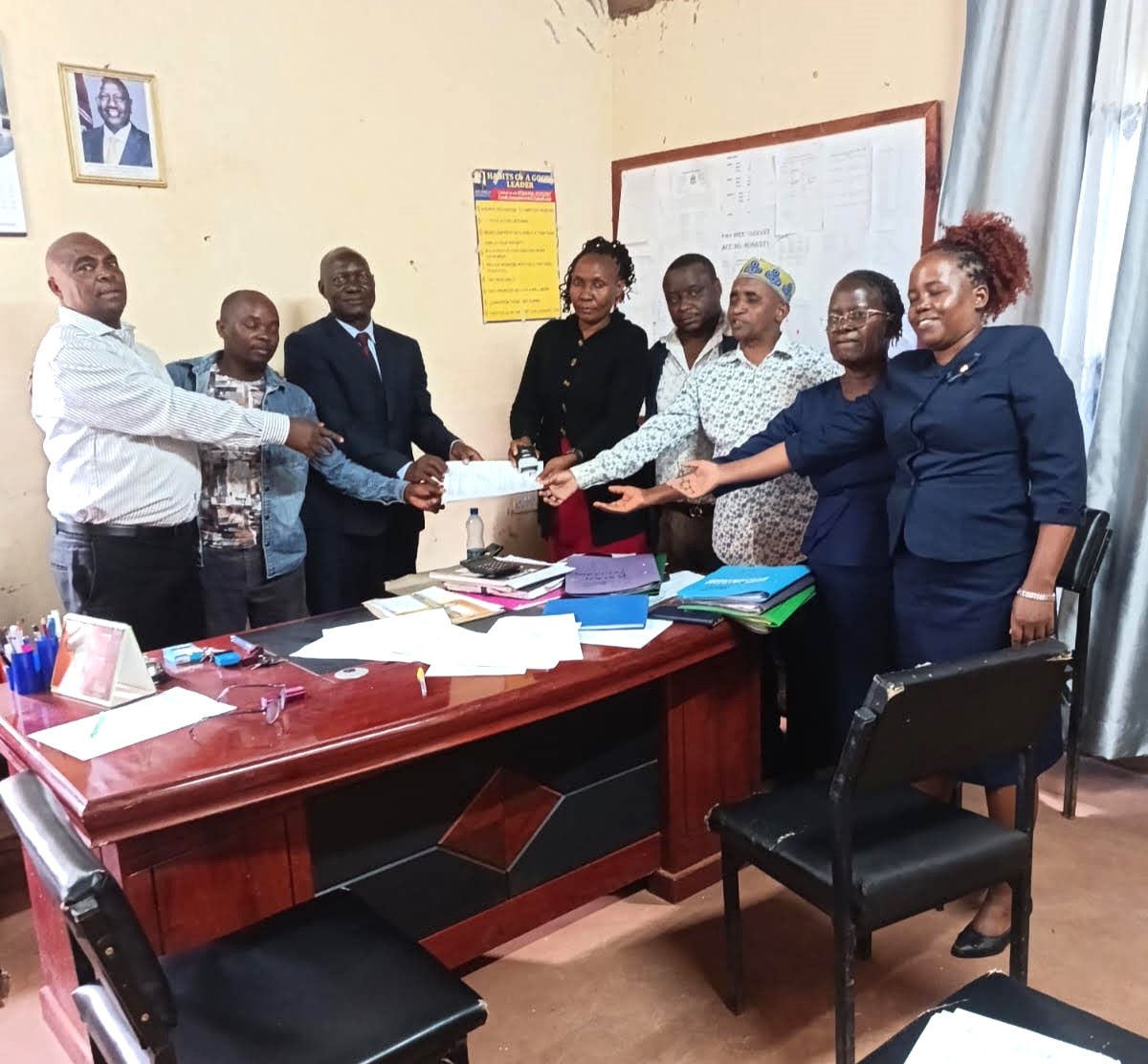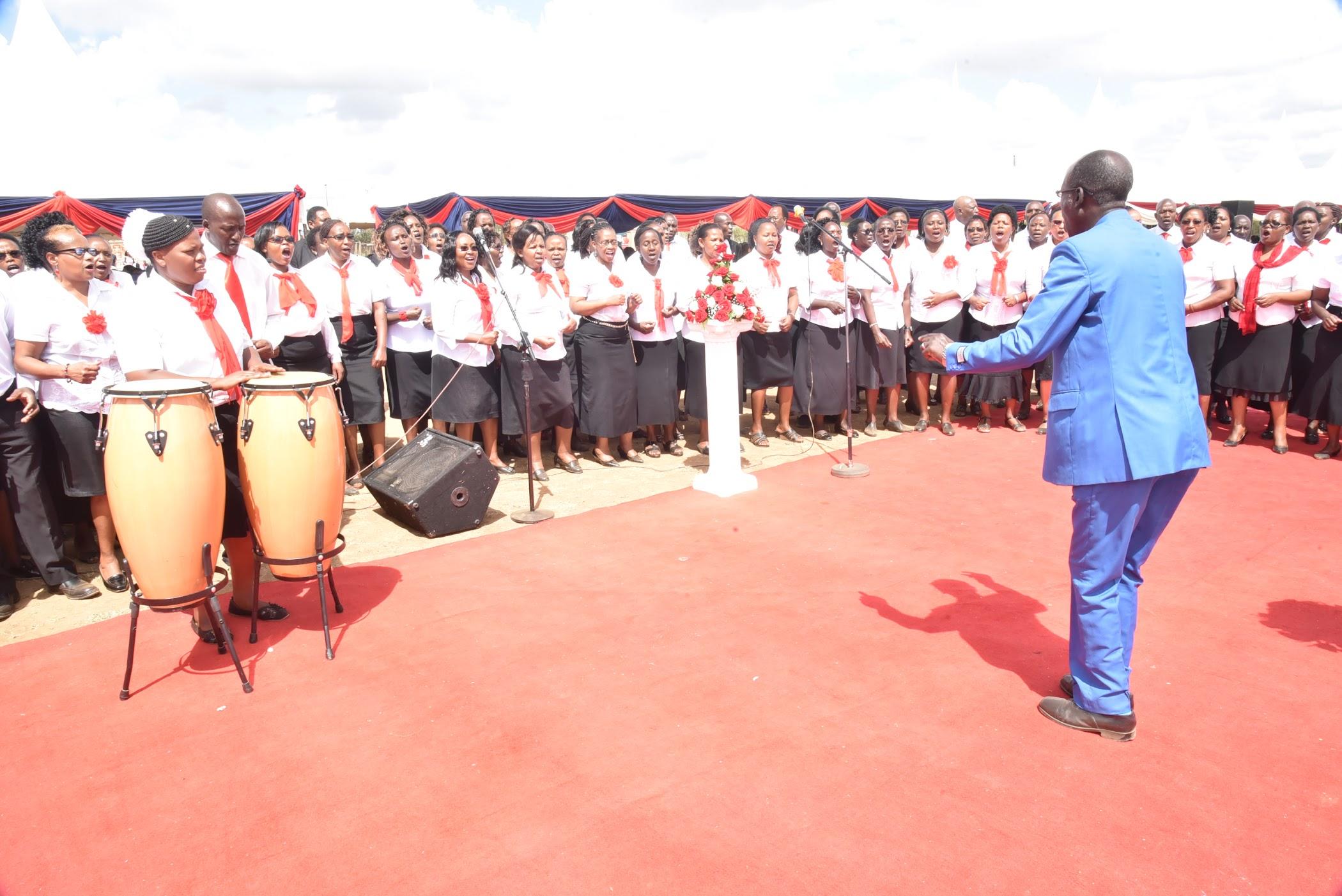
Alumni of Thika High School, in Kiambu County have mobilized to support their alma mater, contributing funds to improve infrastructure and support needy learners.
The national school with over 2,000 student population, host most of the learners from informal settlements around Thika town, including Kiandutu, Kiang’ombe, Madharau, and Gachagi.
Speaking during the school’s 70th anniversary celebrations, Chief Principal Julius Muraya said the institution has long struggled to remain financially stable due to the weight of unpaid fees.
“For many years, the school has been burdened by unpaid fees arrears, now standing at Ksh18 million, making it very hard to run effectively, while the population continues to rise and put pressure on the available infrastructure,” said Muraya.
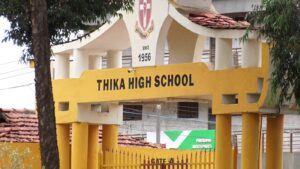
He added that despite its national status, the school continues to face serious shortages in key facilities, making it difficult to provide an optimal learning environment for all students.
“Beyond the financial burden, the institution faces a shortage of essential facilities, including classrooms, dormitories, computer laboratories, and adequate ICT equipment, even as student numbers continue to rise.” He said.
ALSO READ:
Kangaru Boys, Girls indefinitely closed after students’ night mass walkout
Muraya noted that the situation has been worsened by the government’s inclusive education policy, which seeks to keep all learners in school even as many parents from vulnerable backgrounds struggle to clear fees balances.
In response, the school has adopted a new strategy of engaging its alumni—popularly known as old boys—to support both vulnerable learners and infrastructure development, with the aim of ensuring no student is left behind due to financial hardship.
The alumni have since established an education kitty to assist students at risk of dropping out due to unpaid fees, while also mobilising resources to upgrade facilities within the school.
Muraya, praised the alumni for stepping in at a critical moment, noting that their intervention will not only help needy students remain in school but also support much-needed infrastructure expansion.
The principal also highlighted a transformation in the school’s discipline and academic performance, noting that past challenges such as drug peddling and indiscipline have been addressed through collaboration with parents and the surrounding community.
“We had challenges before, including drug peddling and indiscipline, but through working together with parents and the community, the school has greatly improved and is now performing very well academically,” he said.
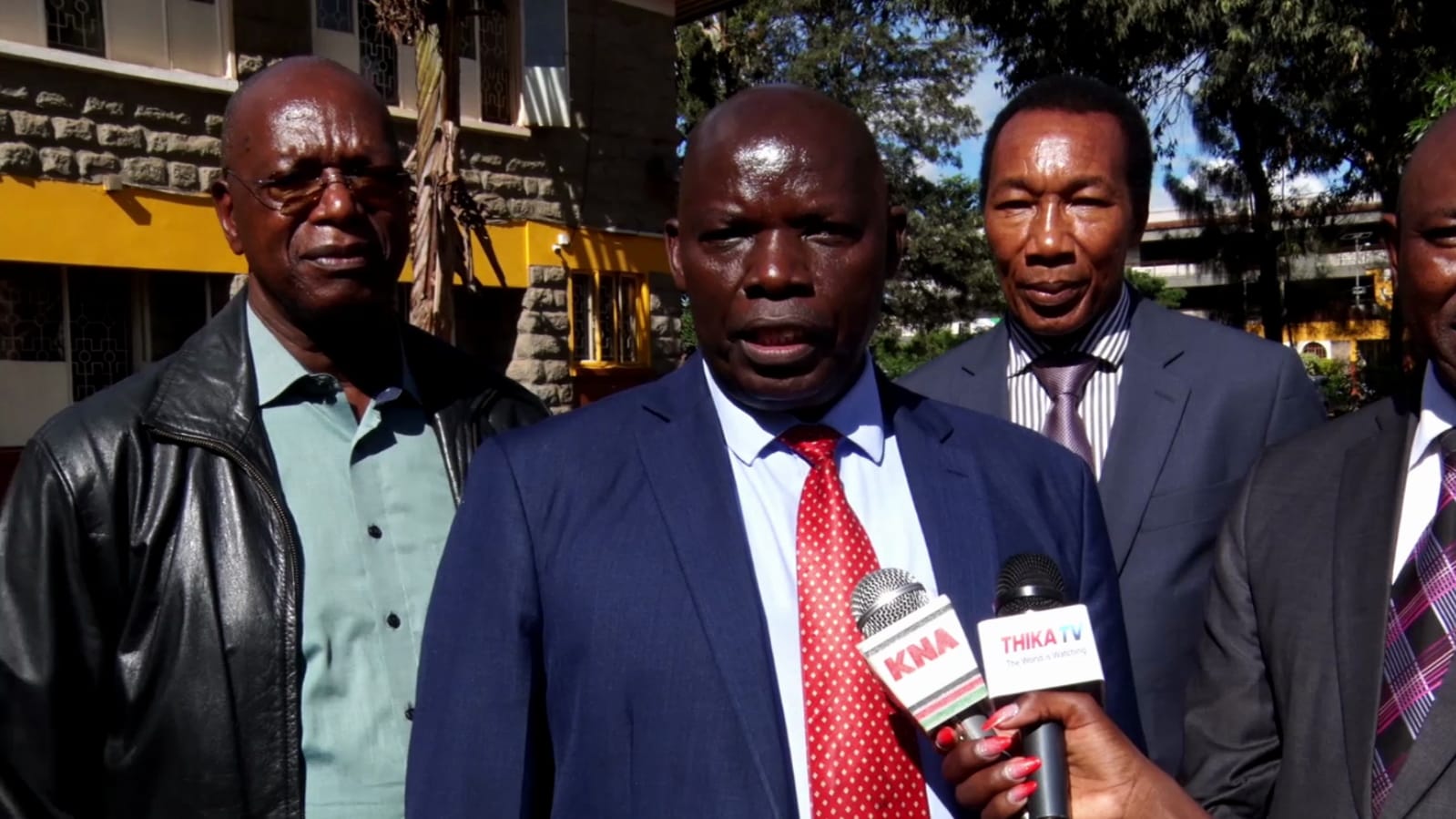
Leading the alumni initiative, Isaac Macharia said former students had resolved to give back to the institution that played a key role in shaping their lives.
ALSO READ:
Of teachers who command the classrooms and those who merely occupy them
Macharia noted that the alumni had already begun renovating parts of the school and were committed to ensuring that no student misses out on education due to financial constraints.
Another alumnus, Dr. George Kamau, said the group would continue supporting the school despite the growing student population, with a focus on improving learning conditions.
He challenged alumni associations across the country to emulate the initiative, noting that collective efforts by former students can significantly improve public schools.
“This should not just happen here. We want alumni associations across the country to borrow a leaf from us, because when former students return to support their schools, they can make a huge difference in improving infrastructure and keeping needy children in class,” said Kamau.
Education stakeholders have observed that alumni support could become a game changer for many public schools struggling with financial strain, infrastructure deficits, and increasing enrolment—particularly in urban and peri-urban areas where poverty remains a major barrier to education.
For institutions such as Thika High School, the renewed involvement of former students is now being seen as a practical and timely solution to bridge the gap between government policy and the economic realities facing many families.
The trend is emerging at a critical time when many public secondary schools across the country are grappling with rising enrolment, mounting unpaid fees arrears, overstretched facilities, and the government’s push for a 100 per cent transition from primary to secondary education, alongside a directive that no learner should be sent home over unpaid fees.
By Felix Wanderi
You can also follow our social media pages on Twitter: Education News KE and Facebook: Education News Newspaper for timely updates.
>>> Click here to stay up-to-date with trending regional stories
>>> Click here to read more informed opinions on the country’s education landscape