As Kenya steadily implements the Competency-Based Education (CBE) system, a quiet but powerful revolution is taking place in how learners perceive education, talent, and future careers. At the heart of this transformation lies the Sports Science Track under the Arts and Sports Science pathway—a track that is not only innovative in structure but also deeply responsive to the diverse abilities and aspirations of learners.
For decades, the Kenyan education system largely rewarded a narrow definition of academic success. Learners who excelled in sciences and traditional academic subjects were often elevated, while those with talents in sports and other non-academic areas were subtly sidelined. The introduction of the Sports Science Track disrupts this long-standing imbalance by validating talent as a legitimate and valuable form of intelligence.
What makes this track particularly revolutionary is its flexibility. Unlike the rigid subject combinations of the past, the Sports Science Track allows learners to take just one core subject—Sports and Recreation—while selecting two additional subjects from across the three CBE pathways. This design is both strategic and liberating. It acknowledges that a learner can be athletically gifted while still nurturing interests in sciences, humanities, languages, or technology.
ALSO READ:
This flexibility is reflected in the wide array of subject combinations available under the AS20 coding. Whether a learner chooses Biology, Geography, and Sports & Recreation, or blends General Science with Literature in English and Sports & Recreation, the system allows for meaningful personalization. A student interested in sports medicine can combine Biology with Sports & Recreation, while another passionate about storytelling may integrate Literature with sports, potentially shaping a future in sports journalism or broadcasting.
Such combinations are not random; they are deliberate pathways that bridge talent with real-world application. The inclusion of subjects like Computer Studies, Media Technology, and Business Studies alongside Sports & Recreation signals a clear shift toward interdisciplinary learning. It prepares learners not just to participate in sports, but to understand, manage, market, and innovate within the sports ecosystem.
Perhaps the most significant impact of the Sports Science Track is how it redefines career possibilities. Traditionally, sports in Kenya have been viewed primarily through the lens of athletic performance—becoming a player, and little beyond that. CBE expands this perspective dramatically. It introduces learners to a broad spectrum of career opportunities that exist within the sports industry.
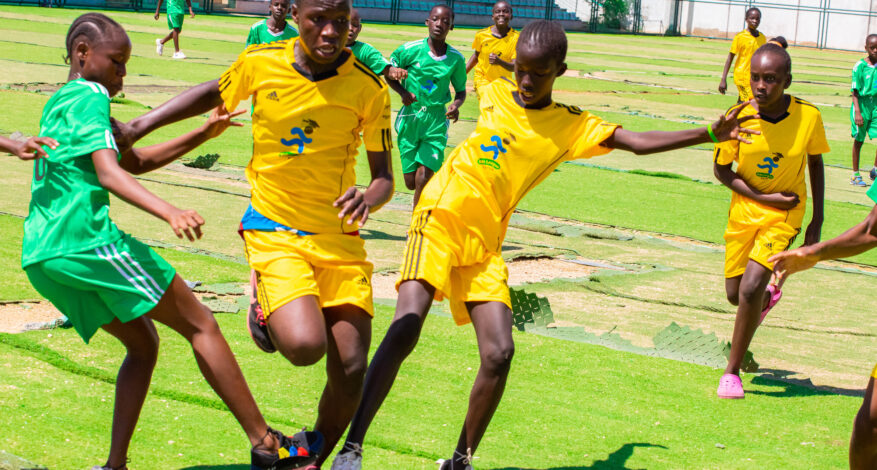
On the field, learners can pursue roles as professional athletes, coaches, trainers, referees, and officials. These are the most visible careers, but they are only the beginning. Beyond the field lies an entire industry that requires skilled professionals—sports managers, event coordinators, facility administrators, and athletic directors. These roles demand organizational, leadership, and analytical skills, all of which can be cultivated through the subject combinations offered in this track.
The media and communication space presents another frontier. With the growing global appetite for sports content, there is increasing demand for sports journalists, commentators, photographers, and digital content creators. A learner who combines Sports & Recreation with Media Technology or Literature in English is strategically positioning themselves for such roles. They are not just consuming sports—they are learning how to interpret, document, and share it with the world.
Additionally, the Sports Science Track intersects with sectors such as tourism and hospitality. Careers in recreation management, outdoor adventure guiding, park ranging, and resort entertainment are all viable pathways. In a country like Kenya, rich in natural landscapes and tourism potential, these careers are not only relevant but also economically significant.
ALSO READ:
Agoro Sare clinch Nyanza Basketball title after narrow win over St. Mary’s Yala
Another critical dimension of this track is its emphasis on practical skills and experiential learning. Sports and Recreation as a subject goes beyond theory. It involves physical engagement, teamwork, discipline, and real-time decision-making. These are transferable skills that are highly valued in the modern workforce. Learners develop resilience, leadership, communication, and strategic thinking—competencies that extend far beyond the sports field.
Moreover, the Sports Science Track plays a crucial role in learner motivation and engagement. When students are allowed to pursue what they are naturally inclined toward, their level of commitment and enthusiasm increases. Education ceases to be a forced routine and becomes a purposeful journey. This shift has profound implications for retention, performance, and overall learner well-being.
However, the success of this track depends heavily on the support systems surrounding the learner. Parents, teachers, and school administrators must move away from outdated perceptions that equate success solely with traditional professions. Guidance and counseling become essential in helping learners understand the opportunities within the Sports Science Track and how to navigate them effectively.
Infrastructure and resource allocation also play a key role. Schools must invest in proper sports facilities, trained personnel, and partnerships with sports organizations to fully realize the potential of this pathway. Without these, the track risks being seen as theoretical rather than transformative.
The introduction of the Sports Science Track is, ultimately, a statement of intent by the CBE system. It signals a shift from a one-size-fits-all model of education to a more inclusive, dynamic, and learner-centered approach. It recognizes that intelligence is multidimensional and that every learner deserves a pathway that aligns with their strengths.
In many ways, this track embodies the true spirit of CBE—developing competencies that are relevant to real life. It does not just prepare learners to pass exams; it prepares them to thrive in a complex and evolving world. By integrating passion with purpose, it ensures that education is not merely about acquiring knowledge, but about building a meaningful and sustainable future.
ALSO READ:
The Sports Science Track is not just an alternative; it is a game changer. It challenges long-held assumptions, expands opportunities, and places the learner at the center of their educational journey. If embraced fully, it has the potential to unlock a generation of skilled, confident, and purpose-driven individuals who will redefine the role of sports in society.
By Polycap Ateto
Ateto is a CBE champion.
You can also follow our social media pages on Twitter: Education News KE and Facebook: Education News Newspaper for timely updates.
>>> Click here to stay up-to-date with trending regional stories
>>> Click here to read more informed opinions on the country’s education landscape