Lawmakers have raised alarm over schools imposing illegal levies on parents, demanding immediate enforcement of fee guidelines by the Ministry of Education (MoE).
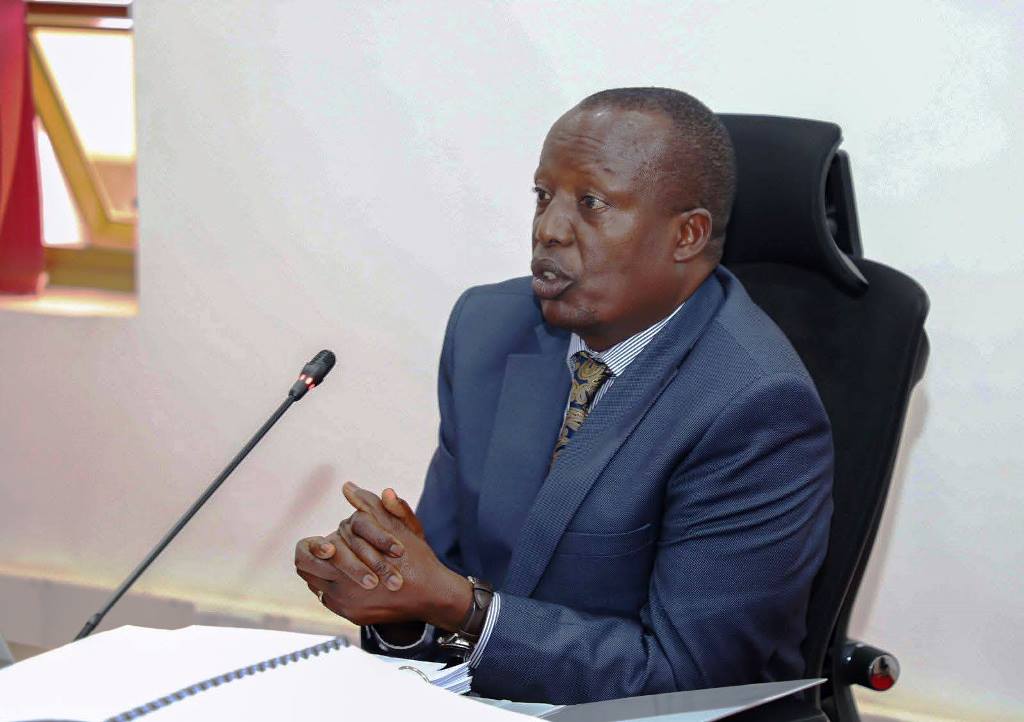
Appearing before the National Assembly Committee on Education at Continental House in Nairobi, Principal Secretary for Basic Education Prof. Julius Bitok faced sharp questions from members who accused schools of exploiting families with charges as high as KSh27,000.
Committee chair Julius Melly led the session, where MPs cited cases of vulnerable children being sent home for failing to pay unapproved fees. Teso South MP Mary Emaase recounted how a needy student in her constituency, supported by Family Bank and the community, was barred from school over KSh27,000 in extra charges, including a performance improvement levy of KSh3,000 per term.
“Who gave this directive? This is affecting vulnerable parents,” she asked.
ALSO READ:
The clock is ticking: 38,000 p1 teachers demand clarity on their World Bank upgrade
Kitutu Masaba MP Clive Gesiro pressed the Ministry to explain why fee guidelines were not being enforced, noting that a circular promised last year had not materialised. “Parents cannot continue to bear this exploitation,” he said.
Bitok assured the committee that decisive action would be taken against non-compliant institutions. He pointed to a gazette notice issued on February 6 that standardised school fees and outlawed arbitrary charges.
Under the new framework, day senior schools no longer require parents to pay fees, with the government covering KSh22,244 per learner across tuition, activities, medical insurance, and administration. Boarding schools will continue to charge capped parental contributions, supplemented by government funding.
Bitok acknowledged governance challenges within Boards of Management and revealed that 15,900 education managers had been trained under the Kenya Education Management Information System (KEMIS) to strengthen accountability.
KEMIS, which is set to replace NEMIS after its pilot phase, will create an integrated database to track student data, eliminate ghost schools, and improve resource management.
Lawmakers further raised concerns about transparency in the school feeding programme, demanding clarity on the criteria used to select beneficiary schools. Ministry officials explained that targeting is now guided by a property index and other factors, replacing the previous administration’s list.
ALSO READ:
Ombudsman faults KSh30 SMS fee for secondary school placement results
The session also touched on the long-standing issue of withheld examination certificates. Melly directed the Ministry to submit a report within 20 days confirming that all KCPE and KCSE certificates had been released in line with a presidential directive. “No school should hold certificates. We expect a full report,” he said.
The government has declared the withholding of certificates illegal, arguing that it denies students opportunities for further education and employment. Starting this year, collection will be shifted to sub-county offices to prevent principals from using certificates as leverage for unpaid fees.
By Masaki Enock
You can also follow our social media pages on Twitter: Education News KE and Facebook: Education News Newspaper for timely updates.
>>> Click here to stay up-to-date with trending regional stories
>>> Click here to read more informed opinions on the country’s education landscape