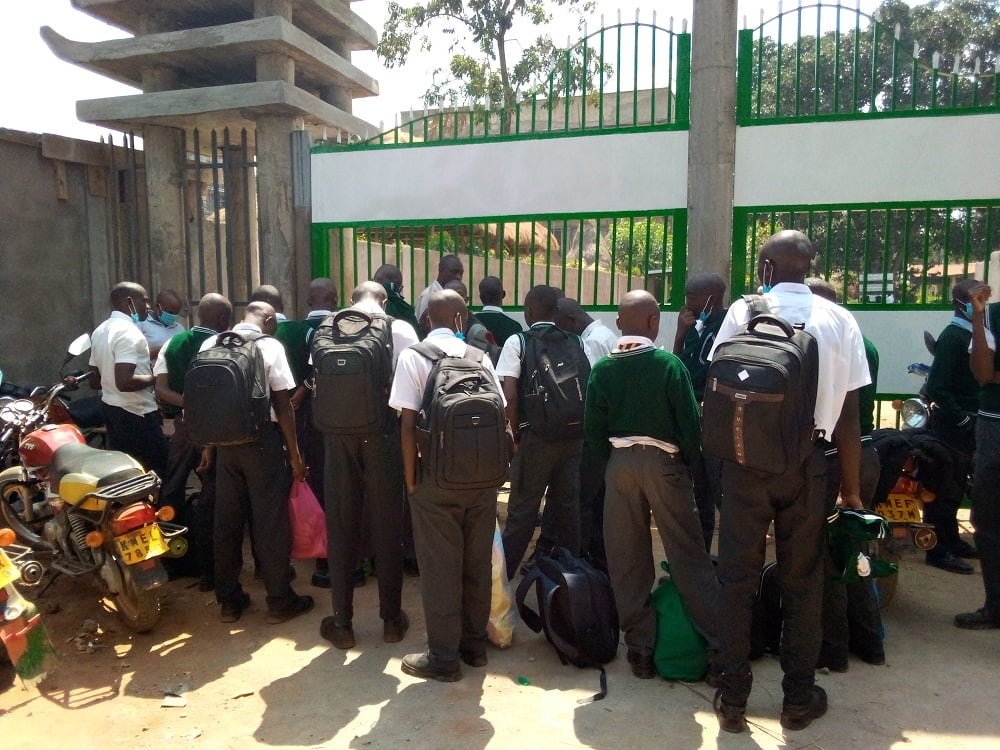
Teachers have a crucial role to play in observing what learners bring to school, because the items learners carry often reveal much more than meets the eye. At first glance, it may seem like a simple act of checking whether a learner has a book, a pen, or a uniform. However, when teachers pay close attention to the belongings learners bring to school, they are doing much more than monitoring materials; they are observing indicators of learners’ preparedness, safety, wellbeing, and even their home environments.
In the classroom, learning is not only about what happens during lessons but also about the conditions that learners arrive with. A learner who comes to school without basic materials may not only be unprepared academically, but may also be facing deeper challenges at home that require support and understanding. Therefore, teachers’ observations of learners’ belongings are a vital tool for ensuring that every child is supported and safe.
One of the most obvious reasons teachers should observe what learners bring to school is to ensure that learners are prepared for the day’s lessons. Learning is a process that requires resources and readiness. When learners come with the necessary books, notebooks, pens, and other learning materials, they are more likely to engage actively in lessons and participate fully. A learner who has come to school with the right tools is demonstrating a level of readiness and responsibility.
On the other hand, a learner who repeatedly arrives without these essentials may be struggling to keep up academically, not because of lack of intelligence, but because of lack of resources. When teachers notice this pattern early, they can intervene in a supportive manner. They can encourage the learner, communicate with the parent or guardian, or arrange for support through the school’s resource programs. In this way, teachers help to create an environment where learning is accessible to all learners, regardless of their socio-economic background.
In many schools, the issue of inadequate learning materials is not just a matter of forgetfulness or negligence. For some learners, it is a daily reality shaped by poverty and hardship. A learner who comes to school without books or a pen may be unable to afford these items, or they may have been lost or stolen at home. Observing these patterns allows teachers to identify learners who need support and to respond compassionately. It is also an opportunity for the school to mobilize resources, whether through community partnerships, donations, or internal support systems.
ALSO READ:
Police arrest four Matungulu Boys’ students after allegedly burning school dormitories
In a country like Kenya, where many families struggle to meet basic needs, teachers’ observations become a form of early warning. They help the school identify vulnerable learners before the situation worsens. This early intervention can make a significant difference in a learner’s academic journey and overall wellbeing.
Another critical reason teachers should observe what learners carry is to ensure safety and security within the school environment. Schools are meant to be safe spaces where learners can grow and learn without fear. Unfortunately, some learners may bring items that pose a risk to themselves or others. These may include sharp objects, harmful substances, or other items that are not appropriate for a school setting.
When teachers notice such items, they have a responsibility to take immediate action to prevent harm. This may involve talking to the learner, informing the parents, or involving the school administration and child protection services. The safety of learners is a shared responsibility, and teachers are often the first line of defense. By observing what learners carry, teachers can act proactively to maintain a secure learning environment.
Beyond physical safety, observing learners’ belongings can also reveal signs of emotional distress or child protection concerns. In many cases, learners who are facing challenges at home may carry items that reflect their emotional state. A learner may bring a letter from home, a religious item, or even a small personal object that offers comfort. While these items may seem harmless, they can also indicate that the learner is experiencing stress or emotional turmoil. In some cases, a learner may bring an item that they are hiding due to fear or shame.
When teachers notice such patterns, they should approach the learner with sensitivity and care. They should create a safe space where the learner feels comfortable sharing their feelings or concerns. This kind of emotional support is especially important for learners who may be dealing with abuse, neglect, or trauma at home. By observing and responding to these signs, teachers can play a critical role in protecting vulnerable learners and ensuring their wellbeing.
Observing learners’ belongings also helps teachers to identify patterns of inequality and address them through support and encouragement. In many classrooms, there is a visible gap between learners who have access to learning materials and those who do not. Some learners may come with brand-new books and neat uniforms, while others may come with worn-out materials or incomplete supplies. When teachers observe these differences, they can take steps to promote fairness and inclusivity.
ALSO READ:
KNUT Meru South elects officials as Mutani retains Executive Secretary seat
This may involve pairing learners for peer support, arranging for resource sharing, or coordinating with the school’s support systems. It may also involve engaging parents and the community to ensure that learners have the basic tools they need for learning. In this way, teachers become advocates for equity, ensuring that no learner is left behind due to circumstances beyond their control.
Another important aspect of observing what learners carry is that it helps teachers to teach responsibility and discipline. Education is not only about academic achievement; it is also about character formation. A learner who consistently comes to school without the necessary materials may need guidance in planning and organization.
Teachers can use these observations as teachable moments to help learners develop habits of responsibility. They can encourage learners to prepare their bags the night before, to check their materials daily, and to take care of their belongings. These habits are essential for success not only in school but also in life. By guiding learners in this way, teachers help them to build a sense of accountability and self-discipline, which are critical values for personal growth.
Moreover, observing learners’ belongings is also a way of preventing theft and loss within the school environment. In many schools, learners may bring valuable items such as phones, money, or other personal belongings. While these items may be necessary in some cases, they can also become targets for theft. Teachers who are attentive to what learners carry can help to reduce the risk of theft by monitoring and advising learners on safe practices. They can also collaborate with the school administration to implement measures that protect learners’ property. This contributes to a peaceful and secure school environment, where learners can focus on learning without fear of losing their belongings.
ALSO READ:
It’s not the right time to harass principals over poor results, Makueni KESSHA chair
In addition, observing learners’ belongings enables teachers to better understand their learners’ home environments and socio-economic situations. For example, a learner who brings food to school may indicate that the learner is being supported at home, while a learner who comes to school without any meal may need support from the school’s feeding program. Similarly, a learner who brings old or torn school supplies may be signaling that they come from a family that cannot afford new materials. Teachers who are aware of these circumstances can respond with empathy and support. They can also involve the school administration in finding ways to assist such learners. This level of understanding helps to build trust between learners and teachers, creating a positive learning environment where learners feel seen and cared for.
Furthermore, teachers’ observations can help in identifying learners who are at risk of dropping out. When learners repeatedly come to school unprepared, hungry, or without basic supplies, it may be a sign that they are losing interest in school or that their home situation is becoming increasingly difficult. By noticing these signs early, teachers can intervene and provide support before the learner disengages completely. This may involve counseling, parent-teacher communication, or linking the learner to support programs. The goal is to keep the learner engaged and motivated, ensuring that they continue their education and have a chance to succeed.
In conclusion, observing what learners carry to school is an important responsibility for teachers. It is not merely about checking whether learners have the right materials; it is about understanding learners as whole individuals. Teachers who pay attention to learners’ belongings are better able to support their academic progress, protect their wellbeing, and promote fairness and inclusion.
Through these observations, teachers can identify learners who need help, respond to safety concerns, and create a learning environment where every child feels supported. In a world where many learners face challenges beyond the classroom, teachers’ attentiveness becomes a powerful tool for nurturing and safeguarding the future generation. It is a simple practice with profound impact, and it reflects the true spirit of teaching — caring for learners not only academically, but also emotionally, socially, and morally.
By Hillary Muhalya
You can also follow our social media pages on Twitter: Education News KE and Facebook: Education News Newspaper for timely updates.
>>> Click here to stay up-to-date with trending regional stories
>>> Click here to read more informed opinions on the country’s education landscape