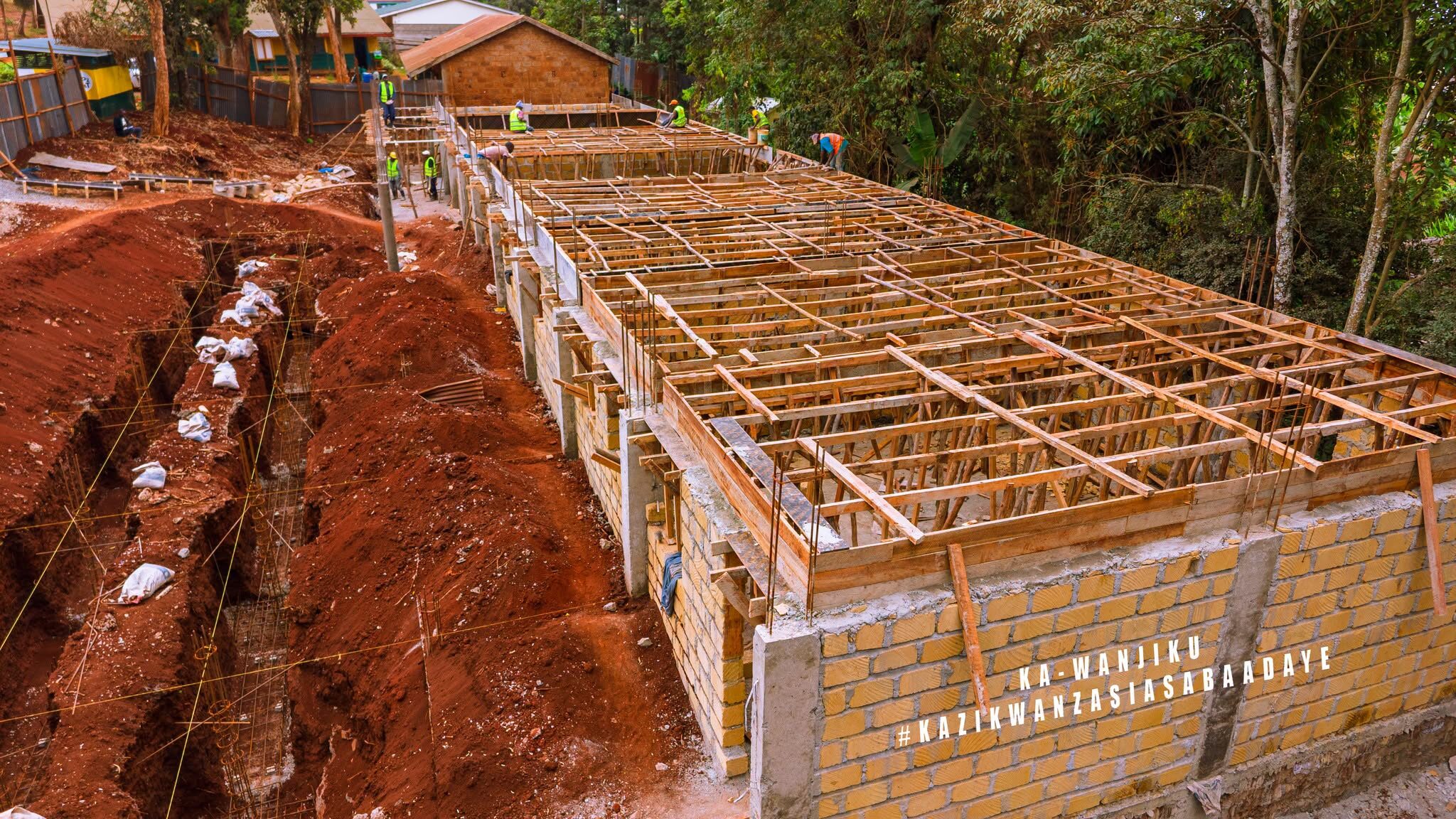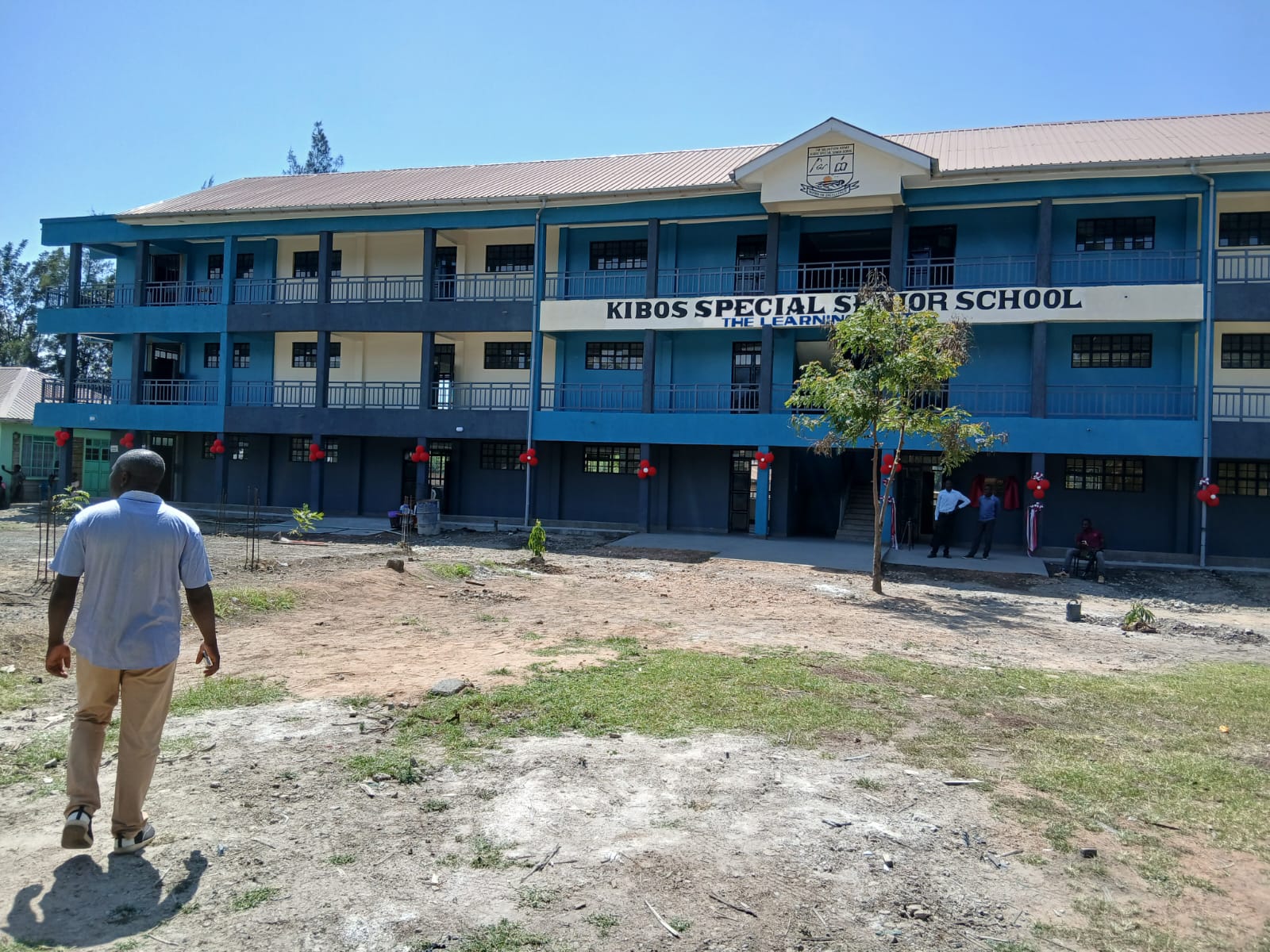
Kibos Special Secondary School in Kisumu County has received a 12-classroom complex valued at more than Ksh40 million, strengthening learning facilities for students with visual impairment amid ongoing challenges facing special needs education.
Speaking the handover, Director of Special Needs Education at the Ministry of Education, Frederick Haga, said the project was funded by the Church of Jesus Christ of Latter-day Saints in partnership with other sponsors as part of the government’s efforts to improve access, equity and infrastructure in special needs schools.
Haga said the total investment goes beyond construction, noting that furnishing the classrooms with specialised desks and seating significantly raises the overall cost.
“This block alone costs more than Ksh40 million, and when you add the desks and seats, you realise we are talking about a lot of money,” he said.
He added that the facility reflects the ministry’s commitment to ensuring that all learners, including those with disabilities and other special needs, access education in appropriate and accessible learning environments.
“As you can see, the block is of a high standard. Learners who will be using it will be comfortable, but more importantly, it provides accessibility for all learners who are going to be here,” Haga said.
ALSO READ:
Trans Nzoia teacher Chief Officers in limbo as County job contracts expire
The school principal Joshua Ombaya who echoed Haga’s sentiments said the new facility would support improved academic performance among learners with visual impairment, whose results at the school have steadily improved.
“Their performance has become exemplary, which is why we saw the need to have such a facility to serve learners with visual impairment,” Ombaya said.
He said the school operates an integrated learning model, enrolling a small number of learners without visual impairment alongside those who are blind or have low vision to promote early interaction and social inclusion.
“We do not isolate learners with visual impairment. We integrate them with others so that they interact early and are prepared to engage with the wider community after school,” Ombaya said.
The principal said the school is seeking partnerships to expand its boarding facilities, with an unfinished dormitory earmarked for upgrading into a two-storey building.
Enrolment, he said, was projected to rise to about 800 learners within the next two years, comprising learners who are blind, those with low vision and a small number with normal vision.
By Fredrick Odiero
You can also follow our social media pages on Twitter: Education News KE and Facebook: Education News Newspaper for timely updates.
>>> Click here to stay up-to-date with trending regional stories
>>> Click here to read more informed opinions on the country’s education landscape