


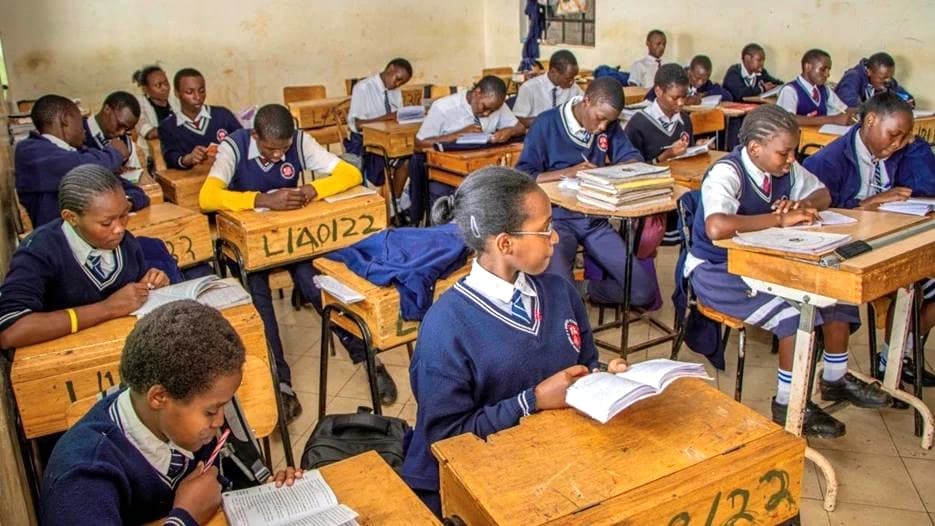

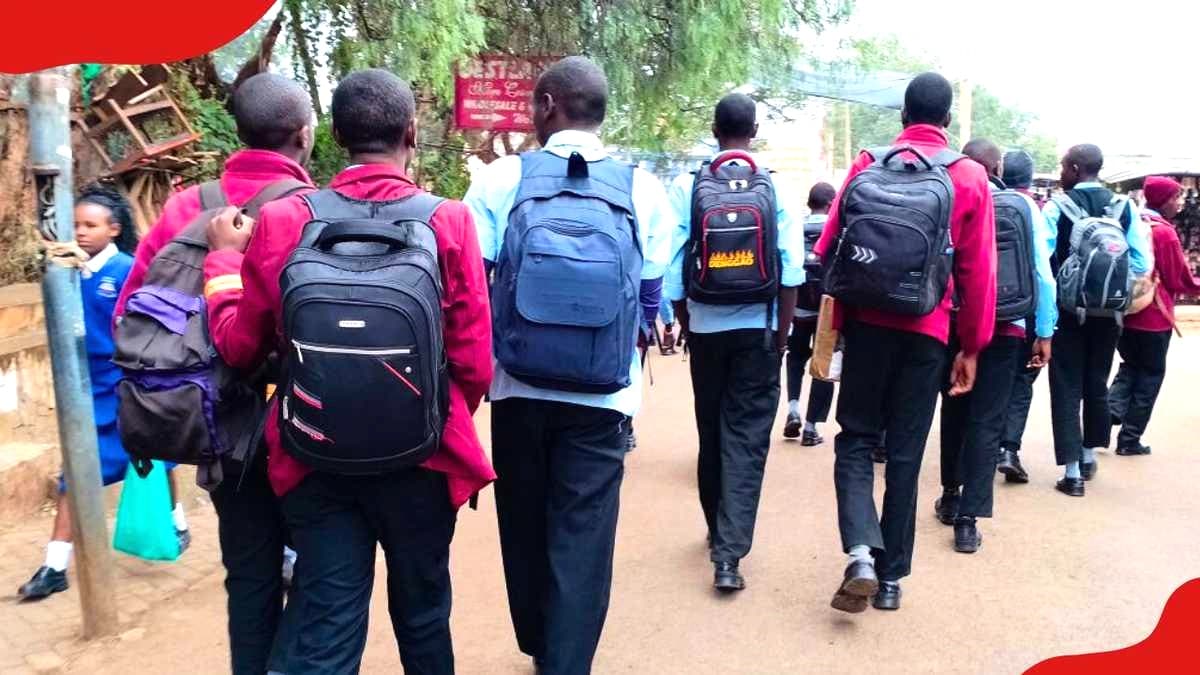

The mainstreaming of sports in Kenya’s Competency Based Education (CBE) system marks one of the most radical shifts in the country’s education philosophy since independence. For decades, sports in Kenyan schools existed largely as extracurricular activities—valuable but secondary to academic performance.
Under CBE, however, sports have been repositioned as a legitimate learning pathway, especially within Senior School where learners can pursue the Sport Science pathway. This shift signals a fundamental rethinking of how Kenya understands talent, intelligence, and the purpose of schooling.
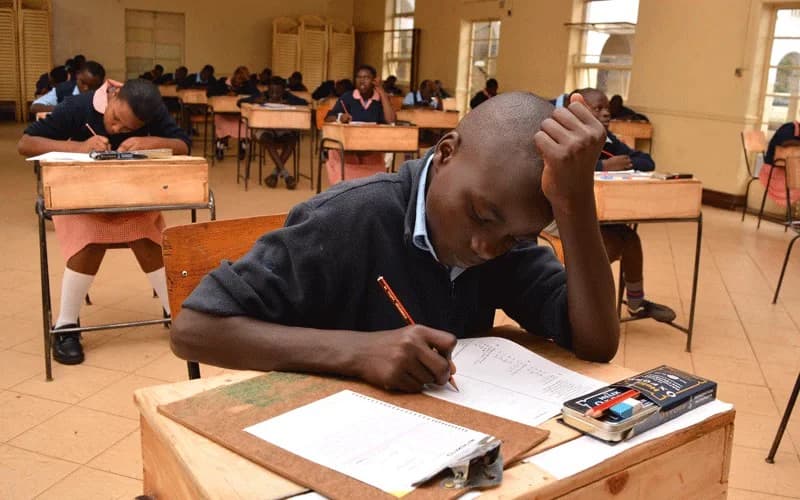
Traditionally, the Kenyan education system rewarded only a narrow definition of success. Academic excellence measured through examinations determined future opportunities. Learners who excelled in athletics, football, volleyball, or other sports often struggled to balance training with academic expectations.
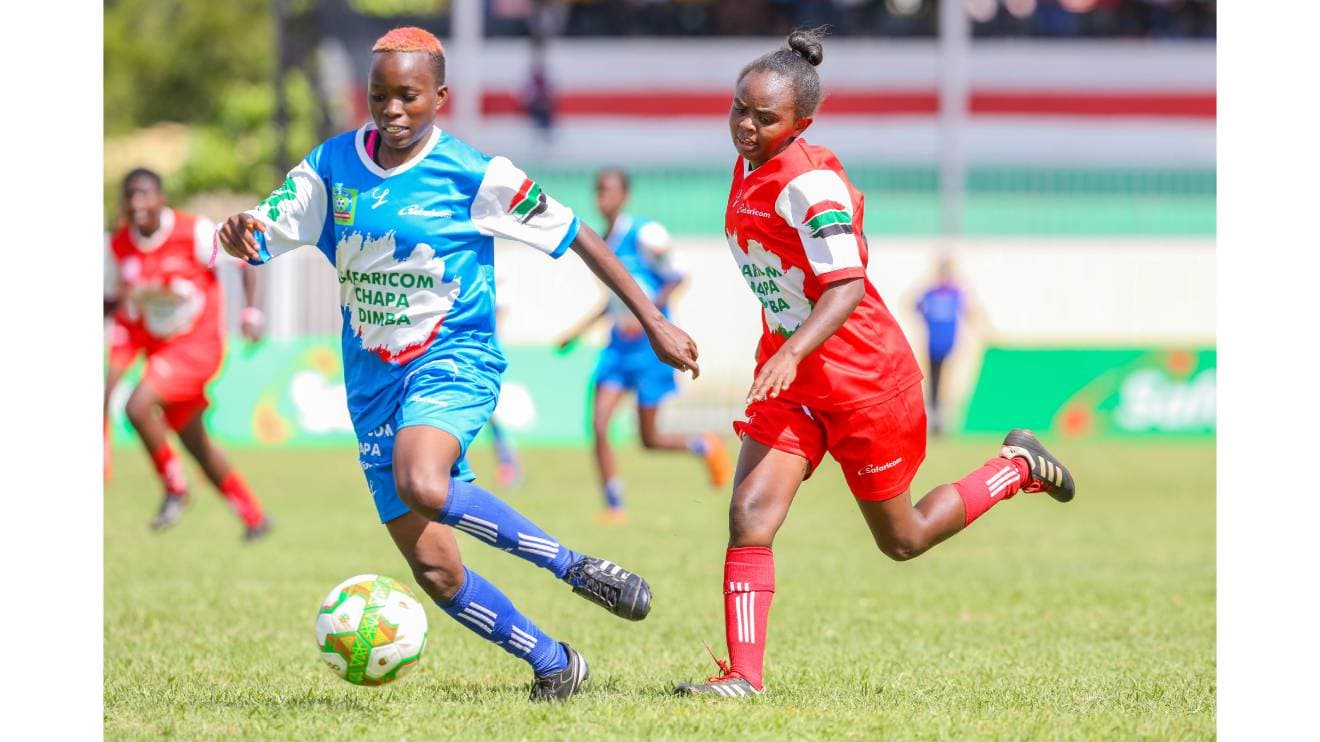
Many promising athletes dropped out of school competitions due to academic pressure, while others pursued sports informally without institutional support. By mainstreaming sports, CBE acknowledges that talent in physical performance is as legitimate as talent in mathematics, languages, or sciences.
One major implication of this shift is the formal recognition of sports as a career pathway. Kenya has historically produced world-class athletes in long-distance running, boxing, rugby, and athletics, yet many of these talents emerged through informal systems. Schools rarely had structured sports science programs to nurture them scientifically.
With CBE, sports are no longer just games played during inter-school competitions; they are part of a structured curriculum that integrates physiology, psychology, nutrition, biomechanics, and coaching principles. This means learners who show exceptional ability in sports can now pursue their talents without feeling academically disadvantaged.
ALSO READ:
https://educationnews.co.ke/a-good-teacher-doesnt-teach/
Another important implication is the professionalisation of sports training within schools. Under the old system, sports were mostly supervised by teachers who volunteered their time without specialised training. CBE’s emphasis on sport science suggests that schools will increasingly require trained coaches, sports instructors, physiotherapists, and performance analysts. This will gradually create new employment opportunities within the education sector. Universities and teacher training colleges may also begin to offer specialised programs in sports science to meet the growing demand for skilled professionals.
The mainstreaming of sports also signals a broader recognition of multiple intelligences among learners. Education theorists have long argued that intelligence is not limited to linguistic or mathematical ability. Physical intelligence—the ability to control body movement, coordination, and endurance—is equally valuable. CBE’s sports pathway embraces this philosophy by allowing learners with exceptional physical abilities to develop them systematically. In doing so, the education system becomes more inclusive and responsive to diverse talents.
Infrastructure development is another likely outcome. If sports are now an official learning pathway, schools will increasingly need proper facilities such as standard playing fields, gymnasiums, training equipment, and medical support systems. This may initially pose challenges because many Kenyan schools lack adequate sports infrastructure. However, the policy direction could encourage government investment, private partnerships, and community involvement in building better facilities. Over time, improved infrastructure will raise the standard of school sports across the country.
The change also has implications for national identity and international competitiveness. Kenya is globally respected for its athletic achievements, particularly in long-distance running. However, many of these successes have been built on natural talent and individual determination rather than structured sports science training.
By integrating sports science into education, Kenya could begin producing athletes who combine natural talent with scientific preparation. This could enhance performance in global competitions and expand Kenya’s presence in sports beyond athletics into disciplines such as swimming, cycling, gymnastics, and motorsports.
ALSO READ:
https://educationnews.co.ke/cheptais-boys-gets-goodies-as-president-ruto/
Another important dimension is learner well-being. Modern education systems increasingly recognise that physical activity plays a crucial role in mental health, emotional stability, and cognitive development. Regular participation in sports improves concentration, reduces stress, and enhances teamwork and discipline. By mainstreaming sports, CBE promotes holistic development rather than focusing narrowly on examination performance. Learners develop not only intellectually but also physically, socially, and emotionally.
However, the shift also raises important challenges. Many schools currently lack trained sports instructors, modern equipment, and adequate funding. Without serious investment, the sports pathway risks remaining a policy idea rather than a practical reality. Teachers will require retraining, and new professionals may need to be recruited to support the expanded sports programs. Additionally, administrators must ensure that sports development does not become concentrated only in well-resourced urban schools while rural institutions lag behind.
Another potential concern is cultural perception. For many parents, academic success remains the primary measure of educational achievement. Convincing families that sports can lead to meaningful careers will take time. Yet global examples—from professional football leagues to Olympic competitions—demonstrate that sports industries generate enormous economic opportunities. With proper development, sports can become a major contributor to national employment and economic growth.
Ultimately, the mainstreaming of sports under CBE signals a profound transformation in the philosophy of education in Kenya. It suggests that the country is moving away from a rigid, exam-driven system toward a more flexible model that values talent, creativity, and practical skills. If implemented effectively, the policy could nurture generations of athletes, coaches, sports scientists, and entrepreneurs who will redefine Kenya’s sporting landscape.
What it portends, therefore, is not merely more games in school fields. It points toward a future where education recognises that excellence can emerge from many directions—whether in the classroom, the laboratory, the studio, or the playing field. In that future, the Kenyan learner is no longer confined to one narrow path but is free to develop talent wherever it naturally thrives.
By Ashford Kimani
You can also follow our social media pages on Twitter: Education News KE and Facebook: Education News Newspaper for timely updates.
>>> Click here to stay up-to-date with trending regional stories
>>> Click here to read more informed opinions on the country’s education landscape


Reader Discussion (0)
Sign in to comment