



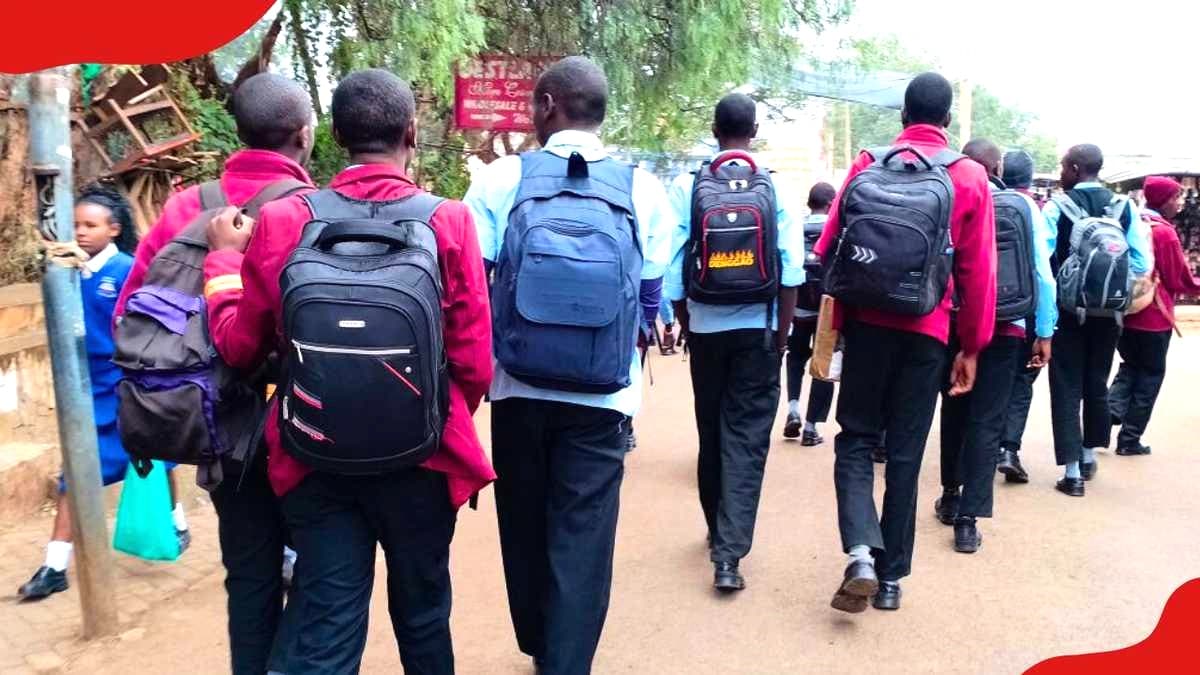


A teacher’s greatest growth often begins not with top-performing students, but with struggling learners who challenge methods and inspire improvement.
“Your most unhappy customers are your greatest source of learning,” observed Bill Gates. This insight, though rooted in business, finds a powerful parallel in education: a teacher’s greatest source of professional growth often lies in their most struggling learners. While high-performing students affirm a teacher’s methods, it is the learners who lag behind, resist or disengage who expose the gaps that demand reflection, innovation and transformation.
In every classroom, there exists a silent divide. On one side are the learners who quickly grasp concepts, complete tasks with ease and respond positively to instruction. On the other side are those who struggle – learners who hesitate to answer questions, submit incomplete work or appear disconnected from the learning process. It is tempting for a teacher to focus energy on the former group, as their success validates effort. However, it is the latter group that truly tests the effectiveness of teaching.
Struggling learners are not merely weak; they are informative. Their difficulties point directly to areas where teaching may not be reaching all students. A lesson that seems clear to most may be confusing to a few. An instructional strategy that works for visual learners may fail auditory or kinesthetic ones. When a learner consistently fails to understand, it is not always a sign of inability; it may indicate that the teaching approach needs adjustment.
In this sense, struggling learners function as diagnostic tools. They reveal the limitations of a one-size-fits-all approach and challenge teachers to differentiate instruction. A reflective teacher does not view these learners as burdens but as guides—individuals who highlight the need for creativity, patience, and adaptability. By paying close attention to where learners stumble, teachers can refine their methods to become more inclusive and effective.
The Kenyan education context, especially under the Competency-Based Curriculum (CBC), emphasises learner-centred approaches. This shift recognises that learners have diverse abilities, interests, and learning styles. However, implementing this philosophy in practice is not always easy. Large class sizes, limited resources, and rigid assessment structures often push teachers toward standardised teaching methods. In such environments, struggling learners can easily be overlooked or labelled as weak.
Yet, it is precisely within these constraints that the role of the struggling learner becomes even more significant. They remind teachers that education is not about covering content but about ensuring understanding. When a learner fails to grasp a concept, it calls for a pause—a moment to rethink delivery, to simplify explanations, or to use alternative examples drawn from the learner’s environment. It may require peer teaching, remedial sessions, or even a change in classroom dynamics.
Moreover, struggling learners often carry stories beyond academics. Their difficulties may stem from factors such as language barriers, lack of support at home, low self-esteem, or even undiagnosed learning challenges. A teacher who listens carefully will uncover these underlying issues. In doing so, the teacher grows not only in instructional skill but also in empathy and emotional intelligence. Teaching then transcends the transfer of knowledge and becomes a holistic engagement with the learner’s reality.
There is also a deeper lesson in resilience. Working with struggling learners demands patience and persistence. Progress may be slow, and results may not be immediately visible. However, each small improvement—a correct answer, a completed assignment, a moment of confidence—becomes a significant victory. These moments teach teachers to appreciate growth in its most authentic form. They shift the focus from grades to genuine learning.
Importantly, struggling learners challenge the very notion of success. If success is defined only by top grades and exam performance, then many learners will inevitably be left behind. But if success is redefined as progress, effort, and understanding, then every learner has the potential to succeed. In this redefinition, teachers also find renewed purpose. Their role is no longer to produce top scorers alone but to nurture growth in all learners.

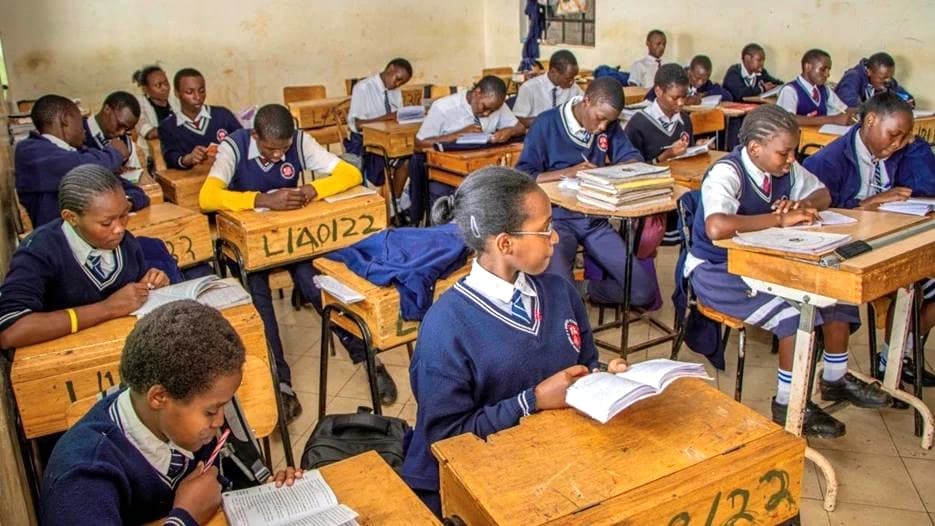
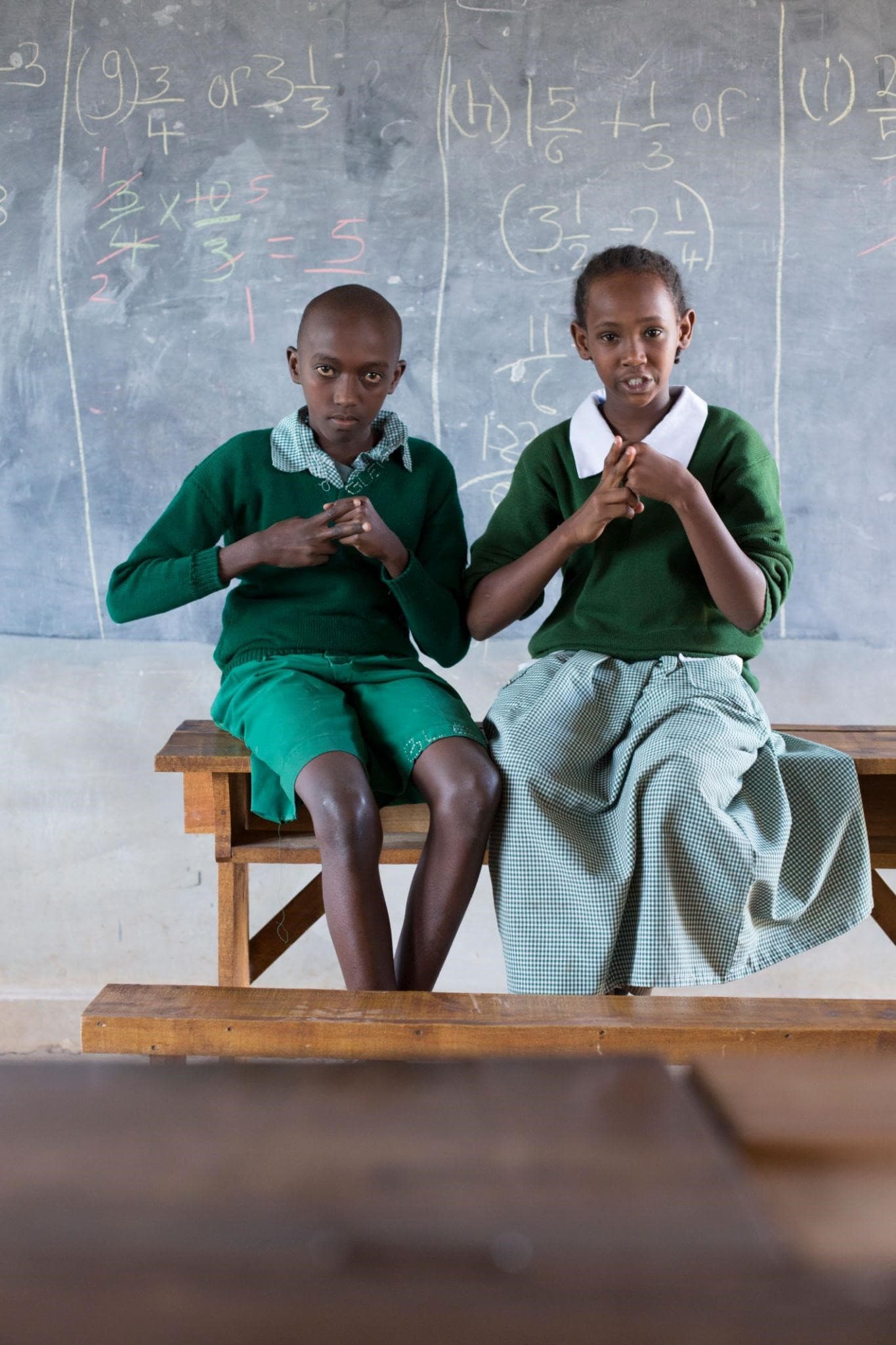
teacher engaging pupils in class
However, learning from struggling learners requires humility. It demands that teachers acknowledge that their methods may not always be effective. This can be uncomfortable, especially in systems where teachers are expected to be authoritative figures. Yet, true professionalism lies in the willingness to reflect, adapt, and improve. Just as businesses analyse customer complaints to enhance services, teachers must analyse learner struggles to enhance instruction.
READ ALSO: A good teacher doesn’t teach but rather makes learners love education
Creating a classroom culture that values struggling learners is equally important. Learners should feel safe to make mistakes without fear of ridicule. Questions should be encouraged, and effort should be recognised. When struggling learners feel supported rather than judged, they are more likely to engage and improve. This, in turn, provides teachers with richer feedback on their teaching practices.
Ultimately, the presence of struggling learners is not a sign of failure but an opportunity for growth. They push teachers beyond routine methods and challenge them to become more thoughtful, innovative, and compassionate. In their struggles lie lessons that no textbook or training manual can fully provide.
Just as unhappy customers drive businesses to improve, struggling learners drive teachers to evolve. They are the true measure of a teacher’s impact, for it is easy to teach those who already understand, but it is transformative to reach those who do not. In embracing these learners, teachers do not merely improve their craft – they fulfil the very essence of education: leaving no learner behind.
By Ashford Kimani
Ashford teaches English and Literature in Gatundu North Sub-county and serves as Dean of Studies.
You can also follow our social media pages on Twitter: Education News KE and Facebook: Education News Newspaper for timely updates.
>>> Click here to stay up-to-date with trending regional stories
>>> Click here to read more informed opinions on the country’s education landscape




Reader Discussion (0)
Sign in to comment