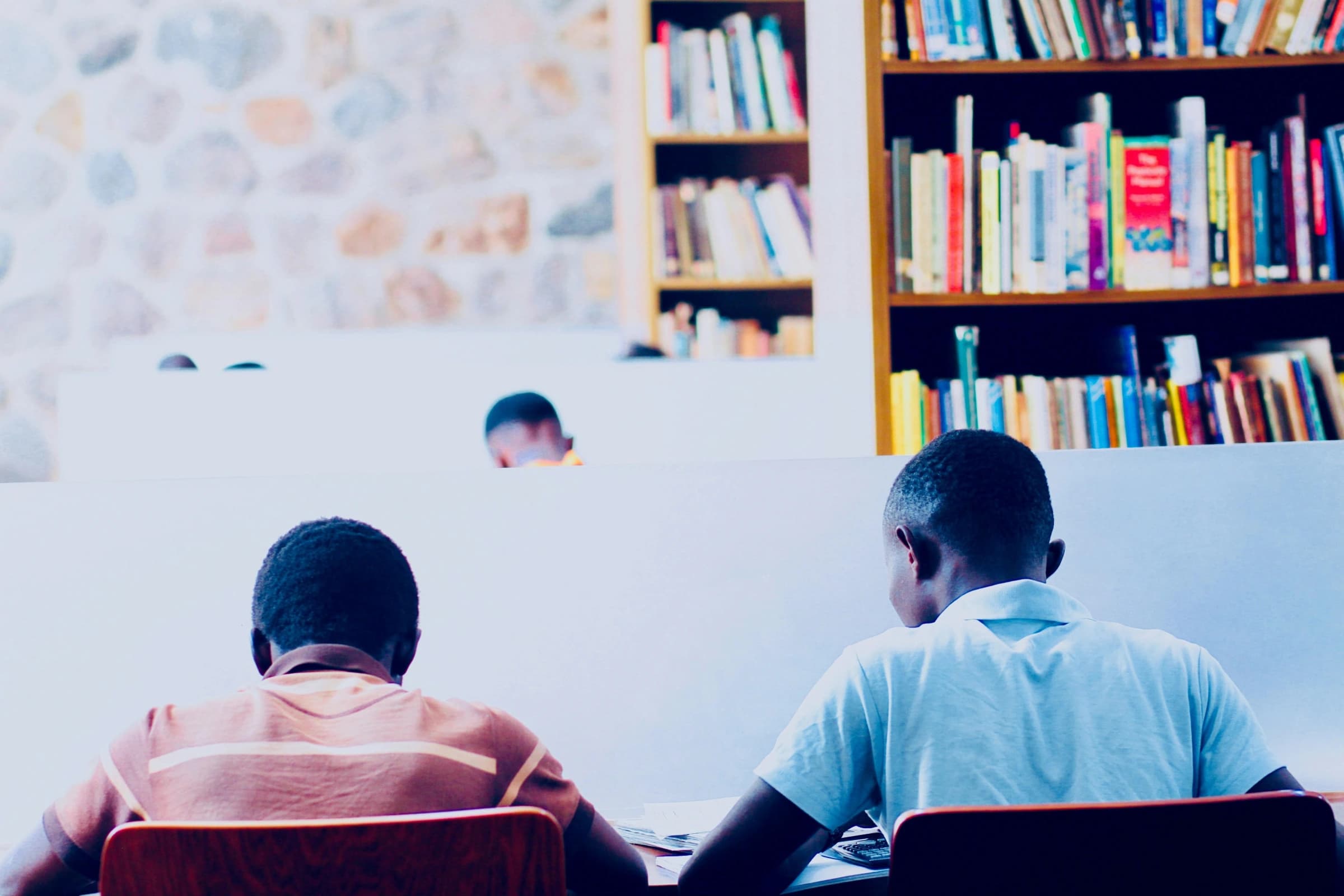



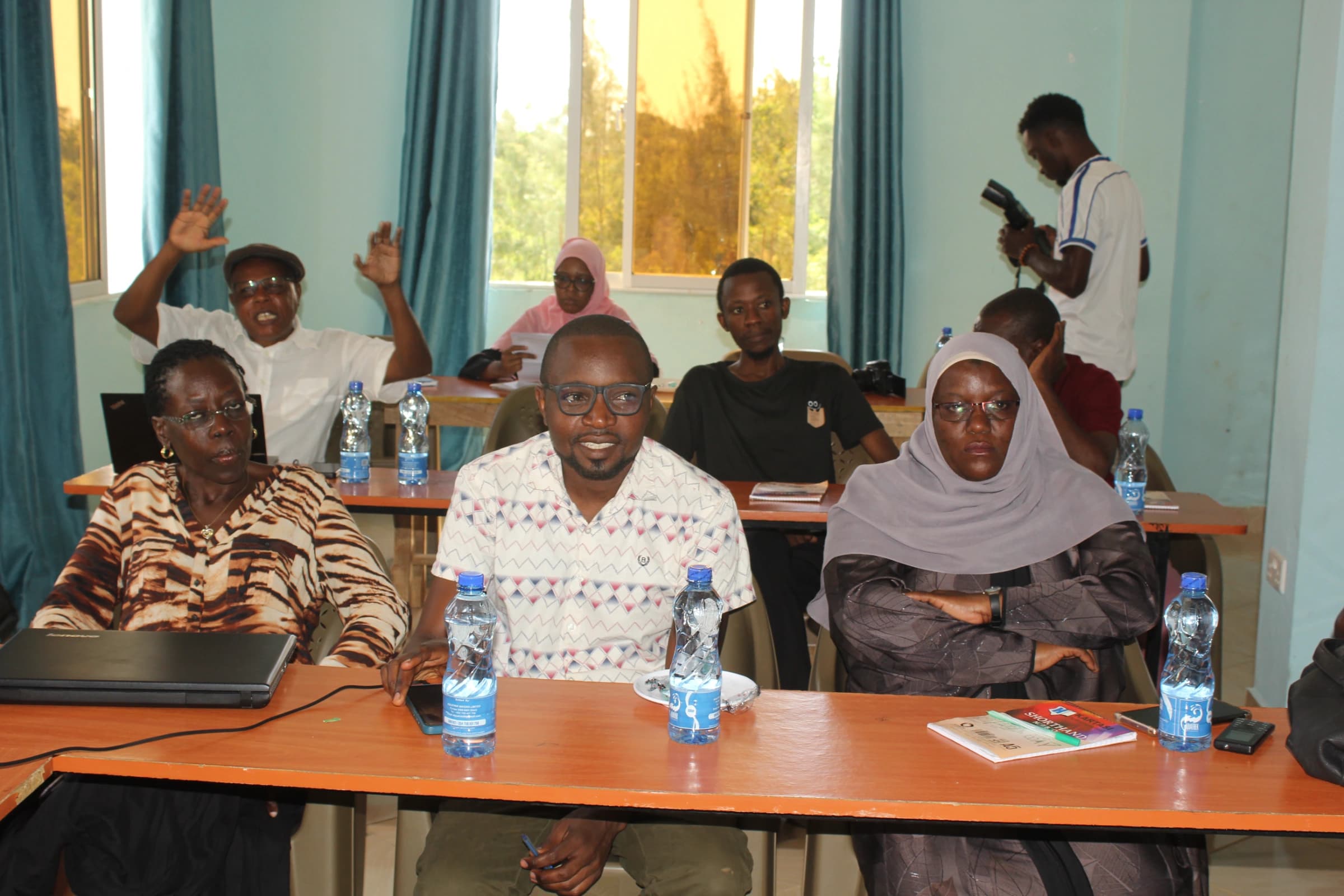
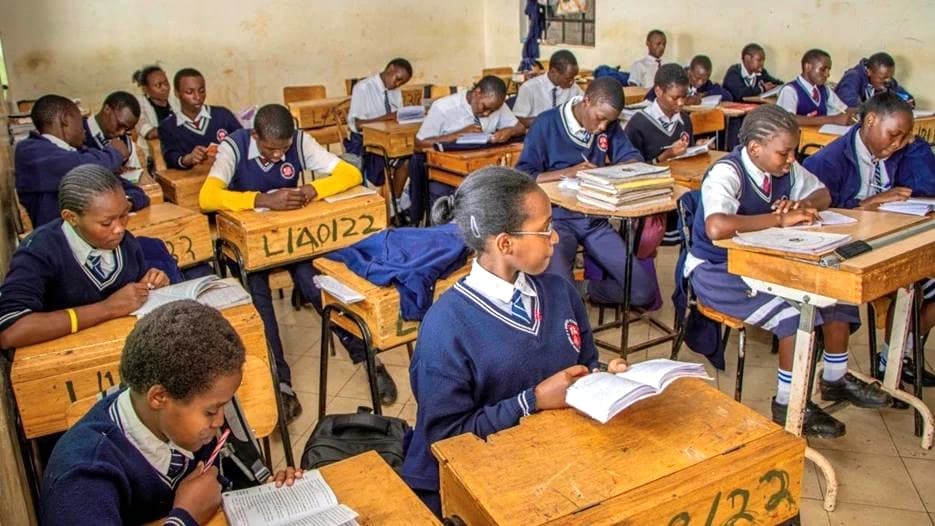


Ask anyone what they remember most about school and rarely will they begin with a worksheet or a test score. They remember how a teacher made them feel. They remember the classroom where they felt safe enough to ask questions or the subject they loved because they felt seen and encouraged. Long after facts fade, feelings remain.
As technology makes access to information easier than ever, we are forced to rethink what our time in school is really for. If content is now available at the click of a button, then the true work and novelty of learning lies in something far more human: the experience of growing in community. Technology can support learning, but it cannot replace the relationships that shape us.
School is one of the first places, outside of home, where we are known by others. It is where someone might notice not just our grades, but what motivates us, what discourages us, and what we struggle to articulate ourselves. It is where we should be given space to discover who we are becoming, not simply evaluated on what we can produce.
For many young people, school is the primary site of socialisation during their most formative years. It is where they test their identity and develop a sense of self beyond the expectations of family. It is where they encounter difference, negotiate belonging, and construct their understanding of what is “normal.” Within the walls of a classroom, children are not just absorbing information. They are learning how to exist alongside others, how to collaborate, how to disagree, and how to see themselves reflected in a wider world.
There is an important difference between educating students to perform well and educating people to live well. A “good student” is often described as obedient, compliant, quiet, and rule-following. They meet deadlines, memorise content, and perform on exams. But a good learner, and ultimately a good human, is curious. They question, experiment.
They fail and try again. Real learning is not about always doing things right; it is about learning to do the right things. If schools focus only on producing well-behaved, high-scoring students, we risk neglecting the very qualities that make individuals resilient and thoughtful members of society. Curiosity requires risk. Growth requires discomfort.
ALSO READ:
https://educationnews.co.ke/parliament-declines-petition-challenging-tsc-graduate-teacher-internship-model/
Innovation requires disruption. When students are given voice and choice in their education, when they are trusted to think critically and contribute meaningfully, they begin to see themselves not as passive recipients of knowledge but as active participants in their own development.
Social and emotional learning is essential, not just as a standalone subject squeezed into a timetable, but as a thread woven through every lesson and every interaction. Students need adults who model emotional regulation and healthy communication. They need to see what it looks like to pause before reacting, to disagree respectfully, and to repair relationships when harm is done. As children move through stages of moral and social development, they begin to understand fairness, responsibility, and the social contract that binds communities together. Schools are not just academic institutions; they are training grounds for citizenship and character.
Good student, good learner
A ‘good student’ is often described as obedient, compliant, quiet, and rule-following. They meet deadlines, memorise content, and perform on exams. But a good learner, and ultimately a good human, is curious. They question. They experiment. They fail and try again. Real learning is not about always doing things right; it is about learning to do the right things.
Holistic development cannot be confined to a single subject like Islamic studies. It must be visible in the way students treat one another in the hallway, resolve conflict and approach ethical dilemmas. Physical well-being is equally foundational. Sleep, nutrition, and movement are not peripheral concerns; they are prerequisites for learning. A child who is exhausted or anxious cannot access their intellectual potential.
Academic goals remain vital. Knowledge matters. Critical thinking matters. But these goals sit alongside relational skills, learning how to collaborate, express feelings, resolve disagreements, and build healthy friendships. Emotional development, the ability to identify feelings, regulate reactions, persevere through setbacks, and empathise with others, is not a soft skill. It is a life skill.
In a world where information is instantly accessible and artificial intelligence can generate essays in seconds, memorisation is no longer the ultimate marker of success. What will matter more is discernment, creativity, empathy, and ethical judgment.
Technology can deliver content, but it cannot replace human connection. If schools double down on content alone, they risk becoming outdated. If they double down on relationships, dialogue, mentorship, and reflection, they become indispensable. Students today face unprecedented pressures, from social media comparison to academic competition and constant digital stimulation.
ALSO READ:
https://educationnews.co.ke/why-youthful-teachers-should-learn/
Emotional resilience is not optional; it is essential. Students must learn how to manage anxiety, navigate disagreement, evaluate information critically, and engage thoughtfully in a complex world.
Education is not the sum of distinct subject areas neatly arranged on a timetable. It is the shaping of a person. When we prioritise the whole child, we acknowledge that learning happens best when students feel safe, connected, and understood. We create environments where mistakes are part of growth, where dialogue matters, and where character is cultivated alongside competence.
This work cannot rest on schools alone, nor can it be outsourced entirely to families. Healthy habits raise and teach healthy children, and that begins with returning to basics. At home and at school, we must model the habits we hope to see: enough sleep, balanced nutrition, regular movement, and honest reflection on our relationship with technology. Are our devices serving a clear purpose, or simply filling every quiet moment? Are we making space for real conversation, for boredom, for creativity, for connection? When children arrive at school having slept well, eaten well, and felt heard, they are already set up for greater success.
The same is true for staff. Within schools, clear boundaries and consistent expectations matter. Rules teach children that environments have limits and responsibilities. But within those boundaries, students should also find space to express themselves, to communicate openly, to develop a sense of identity, and to know that when they are challenged, there are trusted adults they can turn to. The more tools young people are given, emotional, relational, physical, and intellectual, the better equipped they will be to navigate both digital and physical spaces with mindfulness, critical thinking, and self-awareness.
If we want young people who are thoughtful, resilient, and ethical, not just high-achieving, we must teach them more than facts. We must teach them how to be human. Long after the test scores are forgotten, it will be the relationships, the values, and the emotional skills that endure.
By Ashford Kimani
This article is written by Ashford Kimani – an English/Literature teacher & Dean of Studies in Gatundu North Sub-county.
You can also follow our social media pages on Twitter: Education News KE and Facebook: Education News Newspaper for timely updates.
>>> Click here to stay up-to-date with trending regional stories
>>> Click here to read more informed opinions on the country’s education landscape


Reader Discussion (0)
Sign in to comment