






During a recent Prize-Giving Day at Kapsabet Boys School, the School Captain urged the outgoing class of 2025 to “live the Kapsabet Spirit, and the Kapsabet Character” in campus and beyond. His words were not mere ceremonial rhetoric; they captured a profound truth about education that is often overlooked.
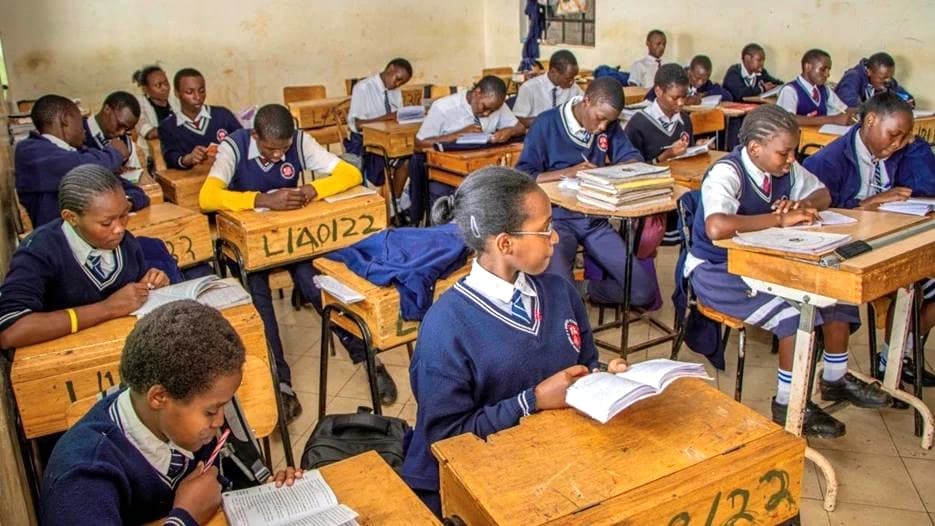
Schools are not only sites of academic instruction but crucibles of culture, places where values, traditions, and collective identity are forged. It is this established culture, intentionally nurtured and consistently upheld, that transforms an institution of learning into a beacon of character formation and moral grounding.
The prevailing obsession with academic performance, grades, and certificates has unfortunately narrowed the vision of many schools. Yet, the reality is that academic papers alone rarely sustain a learner in the wider world.
Employers, communities, and nations increasingly demand individuals who embody integrity, resilience, responsibility, and empathy. These qualities are not taught in textbooks; they are cultivated through the lived culture of a school. When a school deliberately builds a culture that prizes discipline, respect, service, and excellence, it produces graduates who carry those values into their personal and professional lives. The “spirit” and “character” of a school become lifelong markers of identity, shaping how its alumni engage with society.
An established school culture is not accidental. It is the product of intentional leadership, consistent practices, and shared values. Rituals such as assemblies, prize-giving ceremonies, mentorship programs, and community service are not peripheral activities; they are vehicles through which culture is transmitted.
ALSO READ:
https://educationnews.co.ke/health-and-education-ministries-form-joint-taskforce-to-reform-training-programmes/
The language used by teachers, the expectations set by administrators, and the traditions upheld by students all contribute to a coherent cultural fabric. In schools where this fabric is strong, learners are not left to navigate a free fall of undefined norms. Instead, they are guided by a collective ethos that molds their character alongside their intellect.
The danger of neglecting culture-building is evident in institutions where each learner brings their own “congregation culture,” resulting in fragmentation and moral confusion. Without a unifying school culture, the environment becomes permissive, chaotic, and ultimately detrimental to both academic and personal growth.
Learners may excel in examinations but leave school without a compass for ethical living. Such graduates risk becoming liabilities to society, wielding knowledge without wisdom, and skills without values. The absence of intentional culture-building is therefore not a neutral oversight; it is a failure that undermines the very purpose of education.
Schools that have successfully established strong cultures demonstrate the transformative power of this approach. Kapsabet Boys School, for instance, has cultivated a reputation not only for academic excellence but also for producing disciplined, principled, and resilient young men. The invocation of the “Kapsabet Spirit” and “Kapsabet Character” reflects a collective identity that transcends individual achievement.
Alumni carry this identity into universities, workplaces, and communities, becoming ambassadors of the school’s values. This is the true measure of educational success: not merely the number of certificates issued, but the quality of citizens produced.
The call to action for other schools is clear. They must be intentional in creating cultures that integrate academic rigor with moral formation. This requires deliberate investment in teacher training, leadership development, and the design of rituals and practices that reinforce shared values.
ALSO READ:
https://educationnews.co.ke/why-govt-must-realign-senior-school-categories-before-second-cohort-placement/
It demands that schools articulate their ethos clearly and embody it consistently, ensuring that learners internalize it as part of their identity. Culture-building should not be left to chance or treated as secondary to academic instruction. It is the foundation upon which all learning rests the invisible curriculum that shapes character long after the learner has left the classroom.
In the end, it is culture that endures. Academic papers may open doors, but it is character that sustains success and earns trust. A graduate who embodies honesty, responsibility, and empathy will always be more valuable than one who merely holds impressive credentials. Schools must therefore recognize that their greatest legacy lies not in examination results but in the lives of the men and women they send into the world. To build this legacy, they must cultivate cultures that transform learners into morally upright citizens, capable of contributing positively to society.
The words of the Kapsabet School Captain should resonate across all institutions of learning. They remind us that education is not only about imparting knowledge but about shaping character. It is established culture that makes this possible, and it is established culture that ultimately transforms schools for the better.
By Newton Maneno | manenonewton1@gmail.com
You can also follow our social media pages on Twitter: Education News KE and Facebook: Education News Newspaper for timely updates.
>>> Click here to stay up-to-date with trending regional stories
>>> Click here to read more informed opinions on the country’s education landscape



Reader Discussion (0)
Sign in to comment