
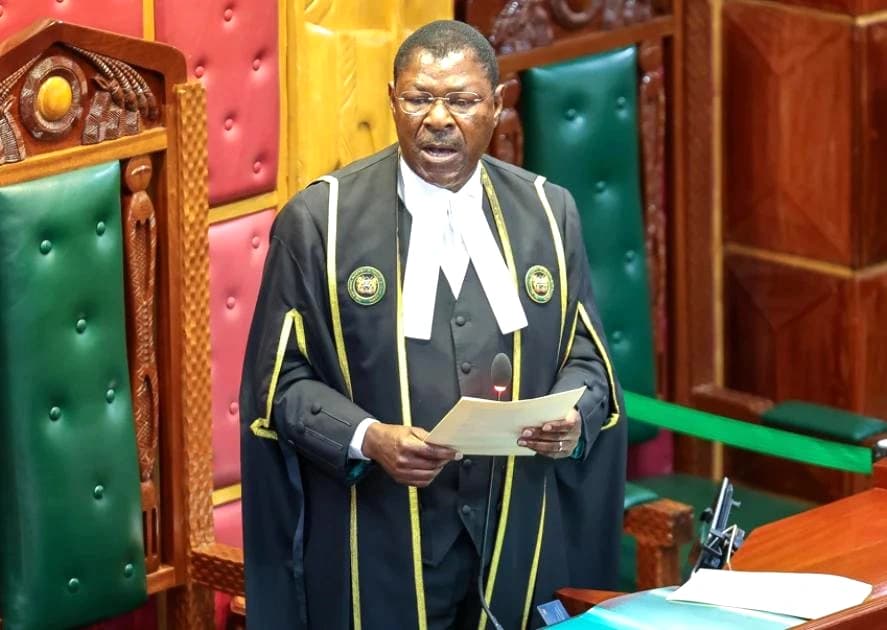






In Kenya, politics is loud, pervasive, and deeply emotional. It penetrates villages, churches, markets, and increasingly, classrooms. As the country approaches the politically charged years of 2026 and 2027, learning institutions face a familiar but dangerous threat: becoming collateral damage in the nation’s perpetual campaign season. If decisive boundaries are not drawn, schools, colleges, and universities risk being reduced from centres of learning to arenas of political contestation. And when that happens, learning does not fight back—it quietly exits.
Kenyan politics has a habit of overstaying its welcome. Campaigns rarely begin or end with election calendars. Instead, the country operates in near-constant mobilisation, where every public space is fair game. Learning institutions, by virtue of their visibility and symbolic value, have increasingly become soft targets. Politicians crave the legitimacy that comes with standing before learners, teachers, and parents. What is often framed as “support for education” is, in reality, calculated political theatre, designed to show influence rather than to enhance learning.
There is no dispute that politics has a legitimate role in education at the policy level. Decisions on funding, infrastructure, curriculum reforms, teacher employment, and national priorities are inherently political. Parliament must legislate, ministries must plan, and governments must allocate resources. But Kenya has repeatedly failed to respect the boundary between policy and practice. When politics leaves policy tables and invades classrooms, assemblies, staffrooms, and school compounds, education is hijacked.
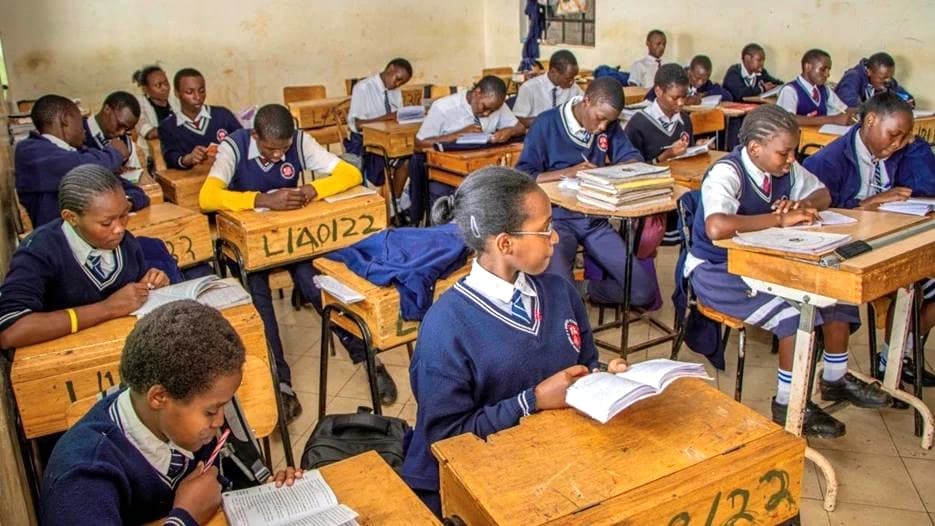
The first and most immediate casualty is instructional time. Kenyan learners already struggle with overcrowded classrooms, teacher shortages, and resource constraints. Losing learning hours to political activity only compounds these challenges. Political visits disrupt lessons. Campaign caravans create chaos. School programmes are postponed to accommodate “important guests.” Each interruption may appear minor, but learning is cumulative. Lost minutes become lost concepts. Lost concepts become poor outcomes. And no speech, promise, or handout can recover stolen learning time.
ALSO READ:
https://educationnews.co.ke/eala-mp-sankok-pushes-for-direct-student-funding-to-make-education-fully-free/
Kenya’s education calendar is fragile. It depends on predictability, discipline, and consistency. Yet during political seasons, this discipline collapses. Academic programmes are treated as negotiable inconveniences. Schools are pressured—sometimes subtly, sometimes openly—to adjust schedules for political convenience. Over time, instability becomes normalised. Learners begin to associate school with interruption rather than focus, and education loses its seriousness. The classroom, instead of being a place of order and purpose, becomes vulnerable and negotiable.
Curriculum integrity also suffers under political pressure. In Kenya, history, governance, land, and identity are politically sensitive topics. When politics enters schools, these subjects are either sanitised or manipulated. Critical discussions are avoided. Teachers tread carefully. Learners are denied the opportunity to interrogate their country honestly. Civic education, instead of nurturing informed citizens, risks becoming partisan messaging. Education stops producing thinkers and starts producing followers.
Teachers, the backbone of the education system, are among the greatest victims of Kenya’s political culture. During election seasons, professional decisions are easily politicised. Transfers, promotions, and appointments attract suspicion. Loyalty is rewarded; independence is punished. This creates a climate of fear and self-censorship. Teachers become cautious, not creative. Silent, not innovative. A teacher who is politically threatened cannot nurture critical thinking in learners.
Politicians should have no role in the arbitrary transfer of teachers or headteachers based on perceived ideological alignment. In Kenya, competent teachers and principled school leaders are sometimes uprooted not because of professional need, but because they are seen as politically inconvenient. Meanwhile, less effective staff are retained due to political alignment. This destabilises schools, demoralises educators, and disrupts continuity, ultimately compromising learners’ outcomes. Education cannot thrive when leadership and teaching assignments are dictated by politics rather than merit, integrity, and professional need. Protecting schools from such interference is essential if classrooms are to remain centres of learning rather than tools of political patronage.
ALSO READ:
https://educationnews.co.ke/slow-reporting-marks-first-intake-of-grade-10-learners-as-parents-cite-fee-challenges/
School leadership is equally compromised. Headteachers and principals are supposed to be instructional leaders—mentoring staff, supervising teaching, and improving learning outcomes. Instead, in politically active periods, they are forced into the role of political negotiators. Time that should be spent on academic leadership is diverted to appeasement, ceremonial attendance, and compliance with politically motivated demands. Schools slowly lose their academic compass, drifting from centres of excellence to arenas of survival.
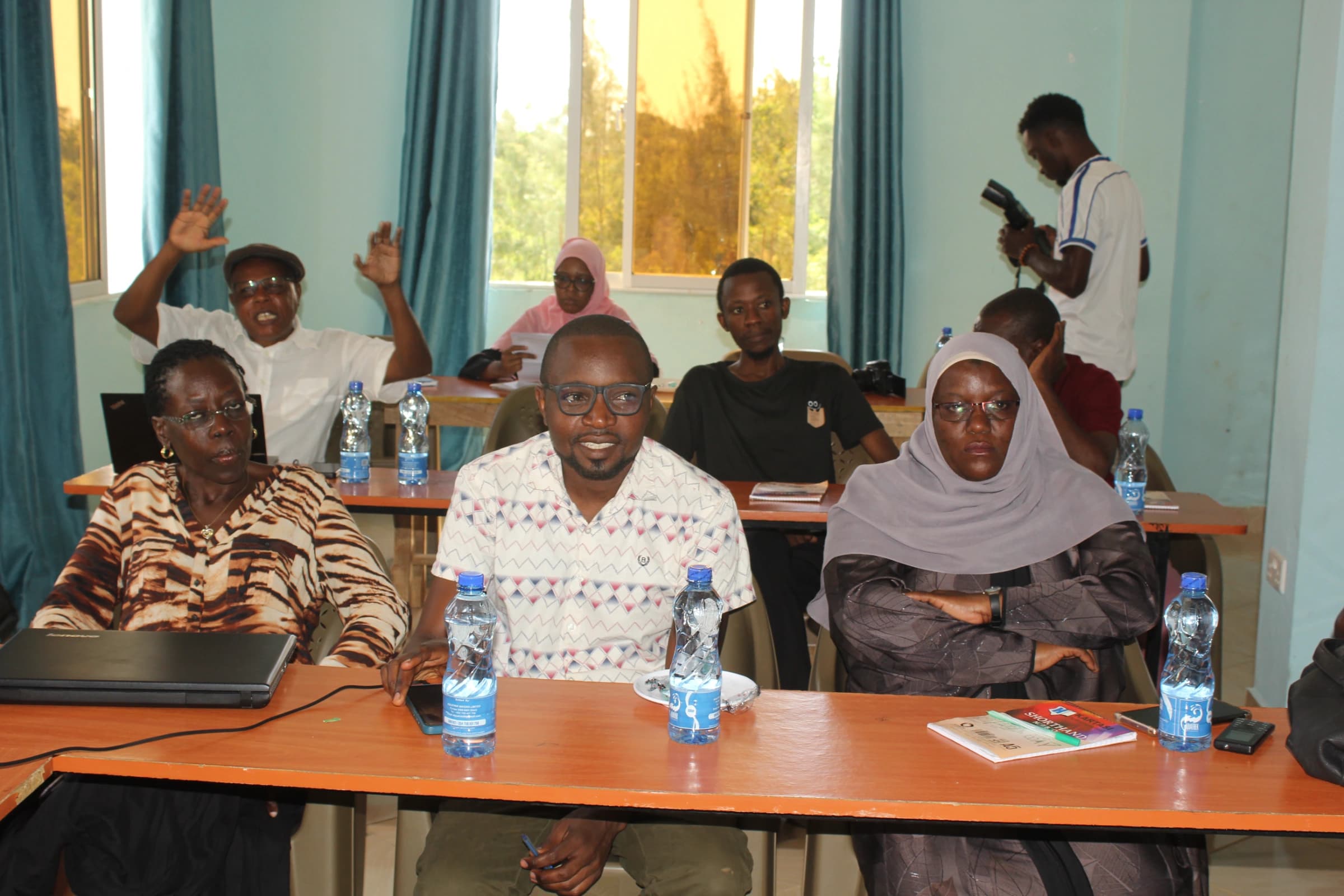
In Kenya, the politicisation of education is not limited to mainstream political parties. Learning institutions have also been turned into campaign platforms for teachers’ unions, particularly KUPPET and KNUT. During union election seasons, schools are transformed into political theatres where union elites jostle for power, loyalty, and relevance. Staffrooms become campaign headquarters. Teaching time is sacrificed for slogans and mobilisation. Teachers are pressured—sometimes openly, sometimes through intimidation—to attend meetings, chant slogans, and pledge allegiance.
While unions play a vital role in protecting teachers’ welfare, their unchecked politicisation within learning institutions is a betrayal of the learner. Union politics thrives on numbers, noise, and pressure. Education thrives on calm, focus, and discipline. When KUPPET and KNUT campaigns spill into school compounds during learning hours, they do not empower teachers—they derail learning, fracture staff unity, and erode the moral authority of educators. Kenyan schools must not be held hostage by adult power struggles disguised as representation.
Kenyan politics also distorts equity in education. Resource allocation increasingly follows political logic rather than educational need. Schools in politically strategic regions receive infrastructure, bursaries, and attention. Others are ignored. This deepens inequality and fuels resentment. Learners begin their educational journeys on unequal footing, not because of effort or ability, but because of political geography. This undermines the principle of fairness that education is supposed to uphold.
Learners absorb powerful, often unintended lessons from this environment. They learn that influence matters more than effort. That noise beats knowledge. That shortcuts are rewarded. When politicians dominate school spaces, learners internalise the message that success is political, not intellectual. These lessons are dangerous. They shape attitudes toward work, leadership, and citizenship long after learners leave school.
Examinations, Kenya’s most sensitive educational pillar, are also vulnerable. Political pressure to post impressive results fuels unrealistic targets and unhealthy competition. Performance becomes a public relations exercise. Advancement replaces mastery. Certificates multiply while competence shrinks. The credibility of the education system is slowly eroded, and learners pay the ultimate price when they advance without skills.
Parents and communities cannot claim innocence. Too often, politicians and union leaders are welcomed into schools for short-term gains—projects, bursaries, protection, or favour. These benefits come at a steep cost: lost learning time and compromised independence. True community leadership lies not in political proximity, but in defending the sanctity of learning spaces.
ALSO READ:
https://educationnews.co.ke/stakeholders-in-shock-as-nandi-big-schools-fail-to-shine-in-2025-kcse-exam/
Teachers require a higher, independent voice to guide education in the right direction. They are not mere executors of policy or political whims; they are the professionals who understand classrooms, learners, and curricula. When teachers are silenced, intimidated, or co-opted by politicians or union power struggles, schools lose direction.
A confident, empowered teaching workforce is essential to advise on policy, uphold professional standards, and maintain the integrity of the learning process. Without a higher professional voice, schools drift aimlessly under external pressures, leaving learners exposed to disruption, poor standards, and ideological interference. Teachers must be allowed to speak, advise, and lead without fear or favour, for the sake of Kenya’s future.
The years 2026 and 2027 are particularly dangerous. They coincide with sensitive phases of curriculum implementation, assessment, and transition within Kenya’s education system. These are not years for political experimentation. Education thrives on stability, professionalism, and continuity—qualities that Kenya’s political seasons rarely offer. Political cycles are short and self-serving. Education outcomes are generational and irreversible.
Protecting learning institutions does not mean shielding learners from civic awareness. Civic education is essential. Learners must understand governance, rights, and responsibilities. But there is a clear difference between structured civic learning and partisan mobilisation. One empowers learners. The other exploits them. Kenya must learn to respect this boundary.
Political leaders must restrain themselves. Support for education should come through policy, funding, and long-term planning—not campaign optics. Education agencies must enforce firm regulations that keep political and union campaigns out of learning institutions. School leaders must be protected when they say no. Teachers must be shielded as professionals, not conscripts.
When politics enters the classroom in Kenya, learning does not argue—it leaves quietly. It exits lesson by lesson, year by year. Reclaiming it later is costly and painful. As the country moves through 2026 and 2027, the responsibility is collective and urgent. Schools, colleges, and universities must remain zones of learning, not extensions of Kenya’s endless campaign trail.
If Kenya is serious about its future, classrooms must be protected—deliberately, firmly, and without apology.
By Hillary Muhalya
You can also follow our social media pages on Twitter: Education News KE and Facebook: Education News Newspaper for timely updates.
>>> Click here to stay up-to-date with trending regional stories
>>> Click here to read more informed opinions on the country’s education landscape



Reader Discussion (0)
Sign in to comment