

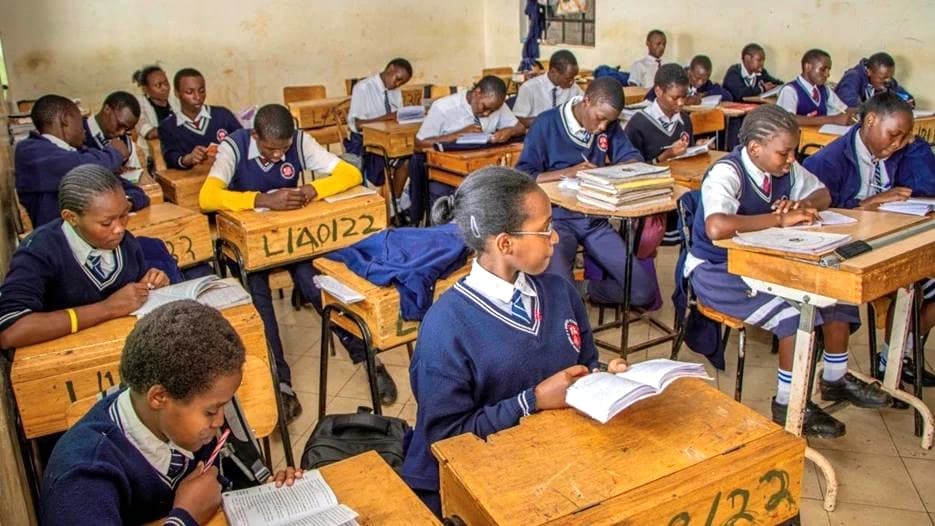

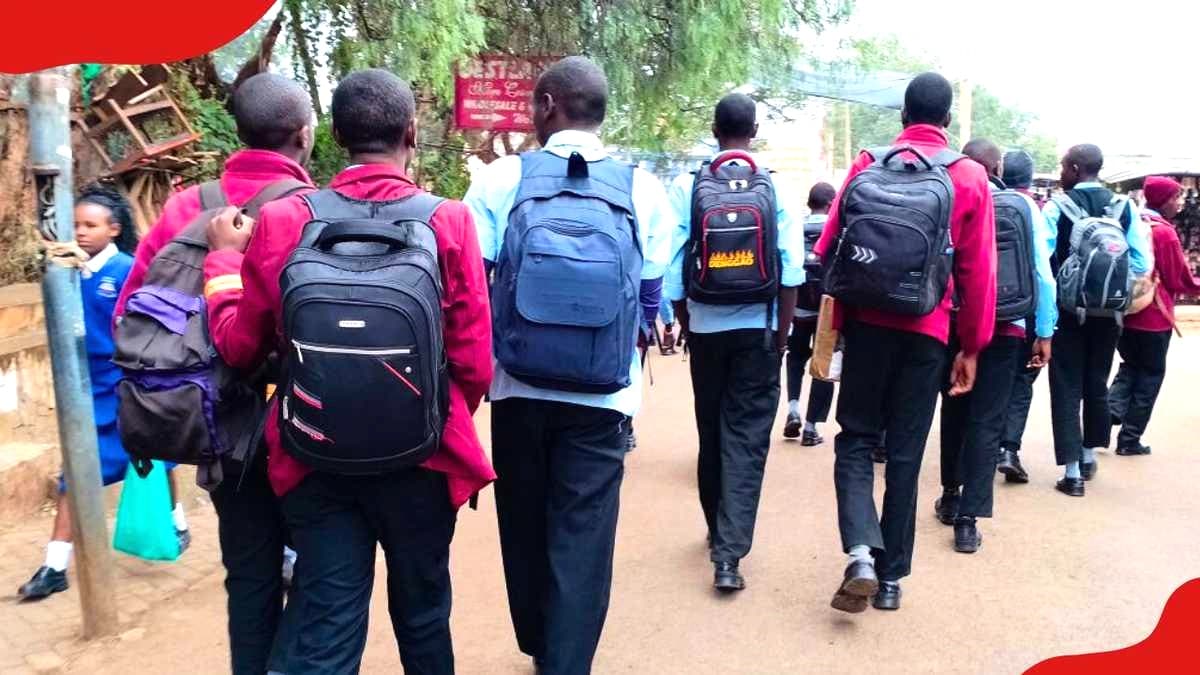
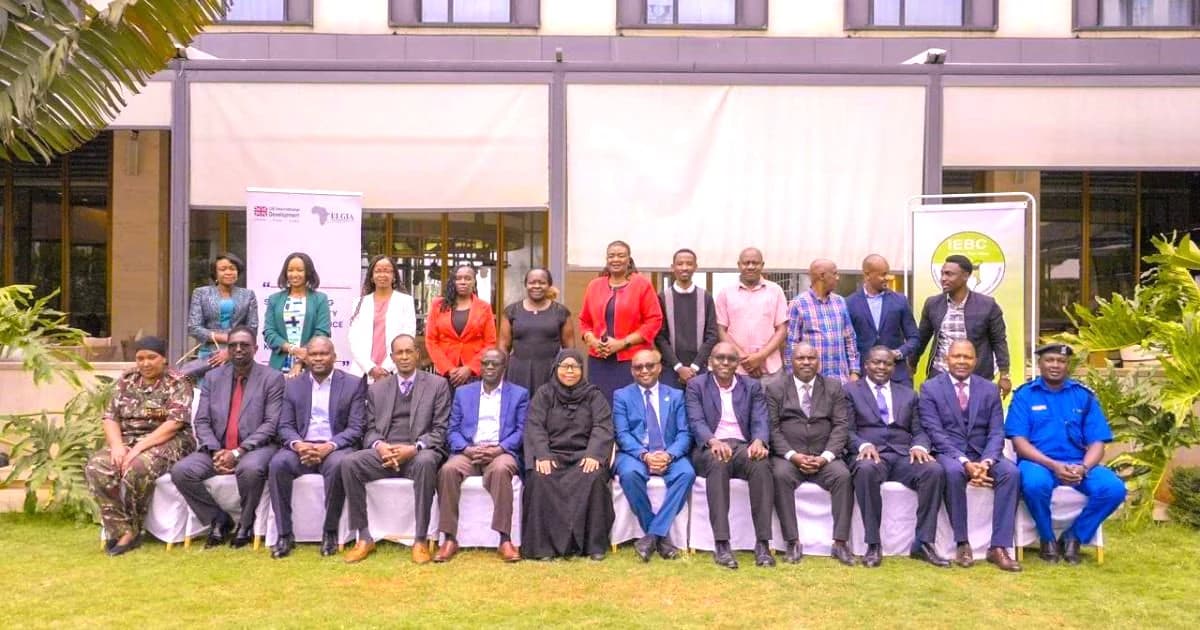

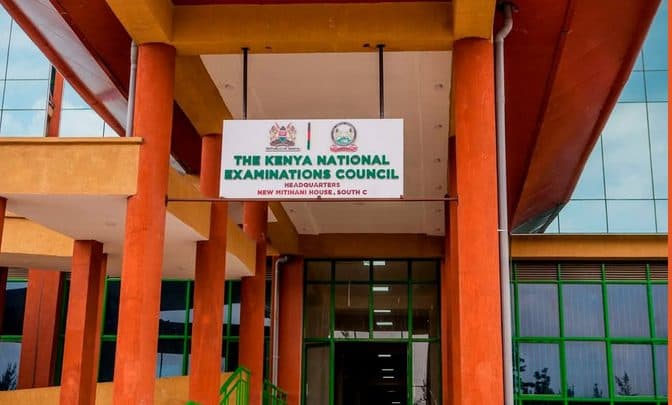
As Kenya advances the implementation of the Competency-Based Education (CBE) framework, a critical question must be confronted: are we investing in what truly supports learning, or are we holding on to outdated priorities? For decades, textbooks have been treated as the backbone of education, with government resources heavily directed toward their procurement and distribution. But in a competency-based system, this approach is increasingly misaligned with the goals of education.
Guided by institutions such as the Kenya Institute of Curriculum Development, Kenya has made commendable strides in curriculum reform. However, the continued overemphasis on textbooks risks anchoring a modern system to traditional methods that prioritise content coverage over competency development.
Textbooks are, by nature, static. They present information in a fixed format, often encouraging memorisation rather than application. Yet CBE demands something fundamentally different. It calls for learners who can think critically, solve problems, collaborate with others, and apply knowledge in real-life situations. These competencies cannot be developed through textbooks alone.
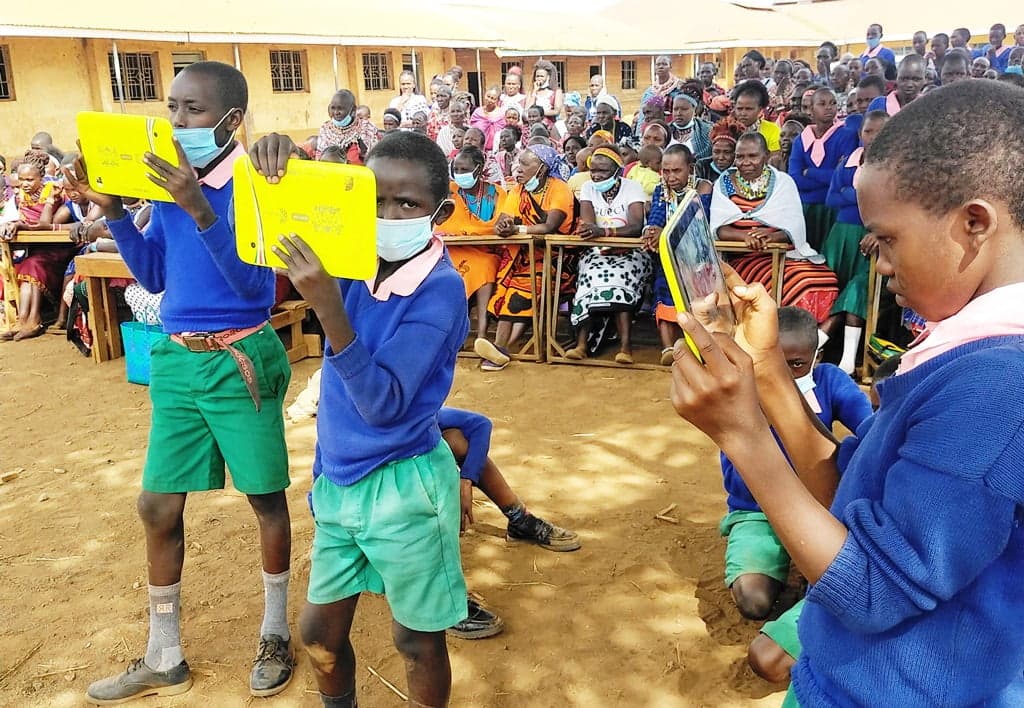
A learner may read extensively about scientific concepts, but without access to a laboratory, that knowledge remains abstract. True understanding emerges through experimentation, observation, and inquiry. Similarly, digital literacy-one of the core competencies under CBE-can not be acquired through printed pages. It requires access to a functional ICT infrastructure where learners can explore and create.
Kenya is not alone in this transition, and there is much to learn from other countries that have embraced alternative approaches. In Finland, widely regarded as having one of the most effective education systems globally, there is minimal reliance on textbooks. Teachers are trusted to design learning experiences and develop their own materials based on broad curriculum guidelines. Learning is inquiry-based and highly flexible.
In Estonia, digital platforms have largely replaced traditional textbooks. Learners engage with interactive content, collaborate online, and build strong digital competencies from an early age. This shift has been made possible by sustained investment in ICT infrastructure.

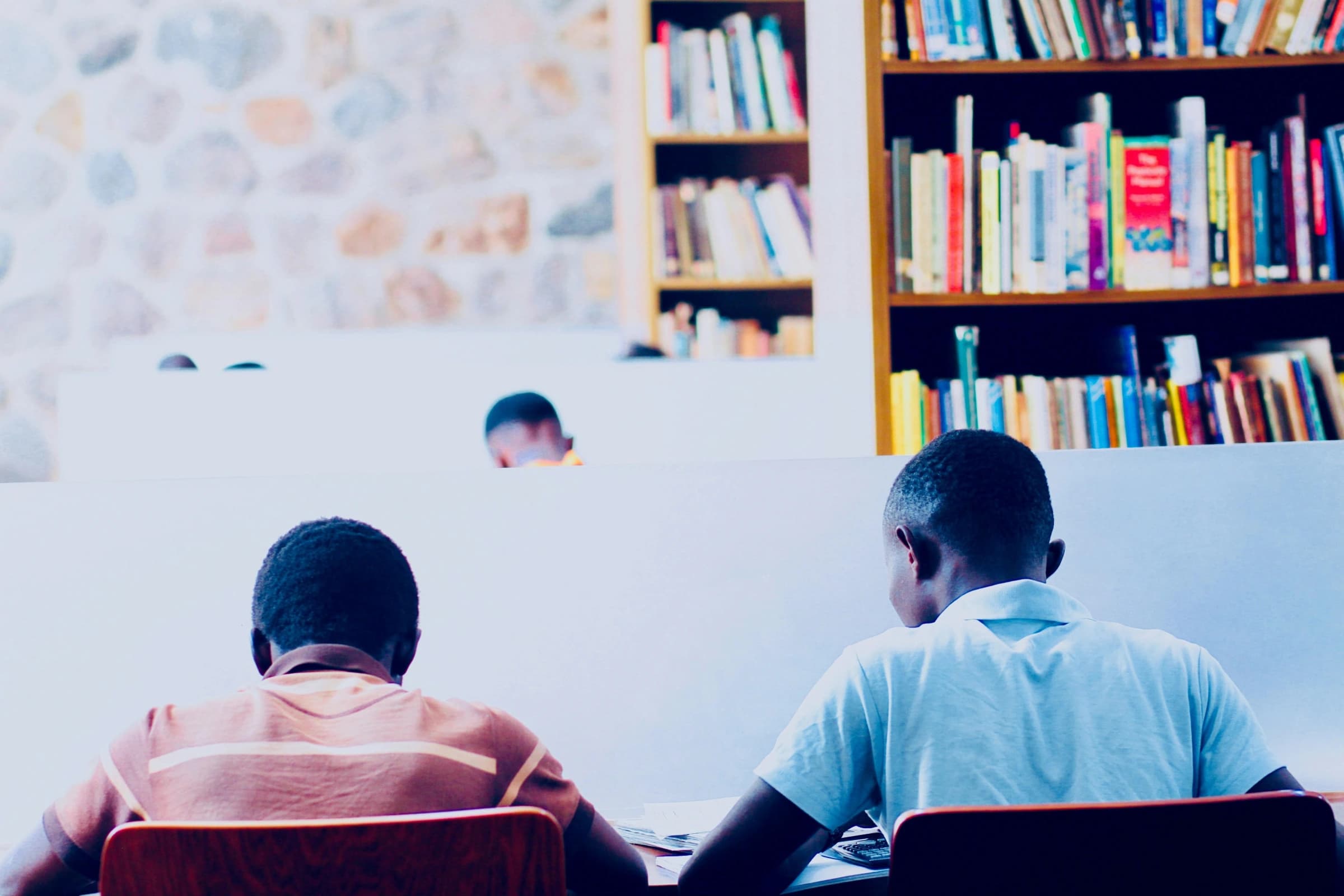
A display of second hand textbooks.
Meanwhile, Singapore emphasises the use of workbooks and practical learning approaches that require learners to actively engage with content rather than passively consume it. In parts of the United States, schools are increasingly adopting blended learning models that combine digital tools, project-based learning, and flexible instructional materials.
These examples point to a shared lesson: meaningful learning goes beyond the textbook.
In Kenya, however, the lack of textbooks is often treated as a national crisis. Schools scramble, parents worry, and urgent calls are made for immediate supply. But in a competency-based system, should this truly be a crisis? Overdependence on textbooks can, in fact, limit creativity, reduce teacher autonomy, and confine learning to rigid structures.
The real challenge lies elsewhere. Many schools still lack well-equipped science laboratories, functional ICT hubs, and adequate learning spaces that support collaboration and innovation. These are the resources that directly enable competency development, yet they often receive less attention than the provision of textbooks.
It is time to rethink priorities.
Instead of channelling the bulk of resources into textbooks, the government should focus on creating environments where learning can thrive. Investment in laboratories would bring science to life. Establishing ICT hubs would open learners to the digital world and build essential 21st-century skills. Improving infrastructure would create spaces that encourage interaction, creativity, and exploration.
Equally important is the need to empower teachers. In a competency-based system, teachers should not be mere implementers of textbooks. They should be designers of learning experiences. This requires providing them with the tools, training, and professional support to develop their own instructional materials, adapt content to their learners’ needs, and collaborate with peers.
The government should therefore prioritise providing teachers with the necessary avenues to create and access quality content, rather than relying solely on centralised textbook production. When teachers are empowered, learning becomes more relevant, responsive, and effective.
The absence of textbooks should not paralyse the system. It should instead challenge us to innovate and rethink how learning happens.
READ ALSO: Why lack of textbooks in Grade 10 isn’t a crisis under CBE
Kenya stands at a pivotal moment. The success of CBE will not be determined by the number of textbooks distributed, but by the quality of learning experiences offered to learners. If the goal is to produce competent, creative, and confident citizens, then investment must align with that vision.
Textbooks still have a role to play—but they should no longer dominate the conversation.
The future of education lies in well-equipped laboratories, vibrant ICT hubs, empowered teachers, and dynamic learning environments. That is where true transformation will be found.
By Polycap ateto
Polycap Ateto is a Master’s student at the Open University of Kenya and also a CBE trainer.
You can also follow our social media pages on Twitter: Education News KE and Facebook: Education News Newspaper for timely updates.
>>> Click here to stay up-to-date with trending regional stories
>>> Click here to read more informed opinions on the country’s education landscape
>>> Click here to stay ahead with the latest national news.



Reader Discussion (0)
Sign in to comment