









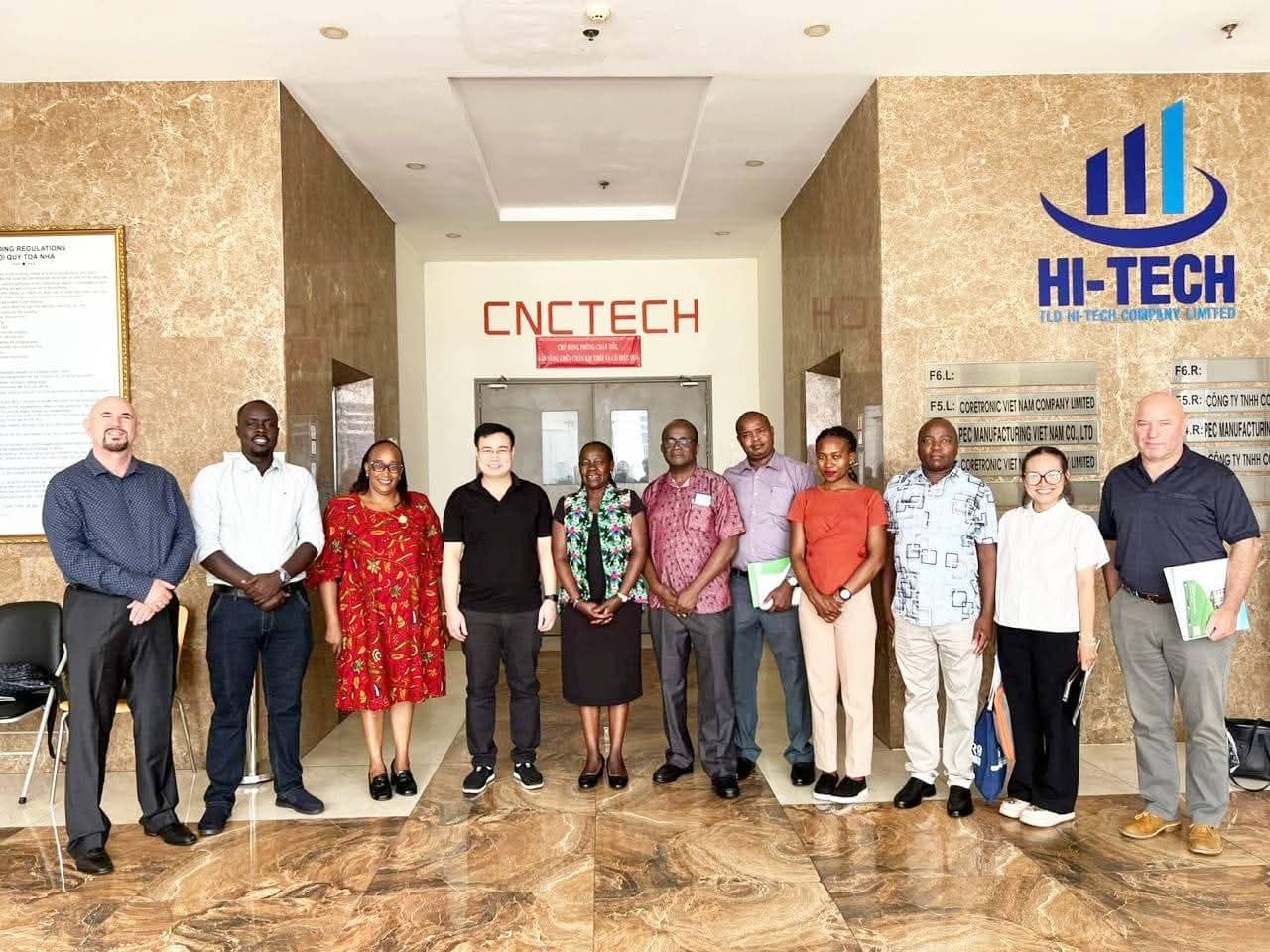
Principal Secretary for Technical and Vocational Education and Training (TVET), Esther Muoria, is currently in Vietnam leading a Kenyan delegation on a benchmarking mission that is shedding new light on the future of skills development.
Speaking after a series of high-level engagements in Ho Chi Minh City, the PS underscored a compelling principle emerging from Vietnam’s success: skills development delivers the strongest outcomes when industry takes the lead.
Her meeting with the Vietnam Chamber of Commerce and Industry revealed a system where industry is not a passive participant but a central driver. Companies co-design training programmes, develop occupational standards, finance workforce development and provide real-time intelligence on labour market needs.
In this model, government plays an enabling role while vocational institutions deliver training but industry anchors relevance.

Vietnam’s approach is built on strong coordination and enterprise-based training, ensuring that skills imparted are tightly aligned to labour market demand. This has effectively closed critical skills gaps and enhanced workforce readiness.
For Kenya, this model directly supports ongoing TVET reforms, particularly in strengthening industry linkages, advancing dual training systems and aligning Competency-Based Education and Training (CBET) to market needs.
“It confirms that when training is treated as an investment and industry is a co-owner, skills drive productivity, jobs and economic growth,” Muoria noted.
ALSO READ:
https://educationnews.co.ke/joseph-waswa-foundation-commences/
The delegation also engaged with GIZ Vietnam, where insights into Vietnam’s TVET system and reform journey were shared. A briefing by Bach Hung Truong, Component Manager of TVET Programme III, highlighted how development partners can play a catalytic role in embedding industry into training systems.
The Vietnamese model demonstrates a fully integrated approach: industry co-designs curricula, supports skills forecasting, facilitates internships and directly shapes employment pathways. Through structured cooperative training, institutions maintain a close link to evolving market demands.
For Kenya, this reinforces the CBET reform agenda, particularly the need to deepen dual training systems, strengthen industry advisory frameworks and align training programmes to emerging sectors.
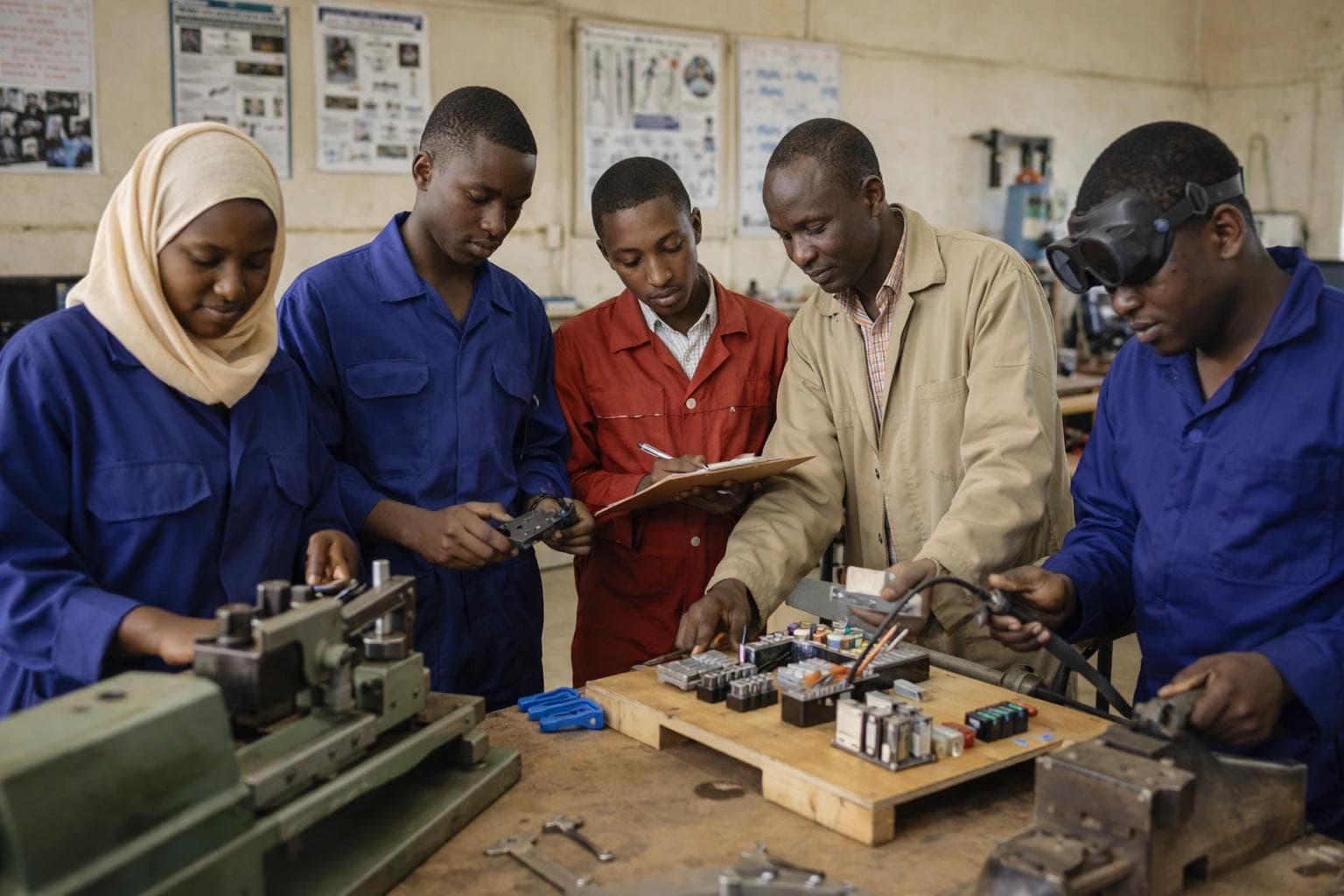
At LILAMA 2 International Technology College, the delegation observed a system where training closely mirrors real-world work environments. Trainees progress through structured stages—from foundational learning to specialization and ultimately to real-world application.
TVET PS Dr. Esther Muoria (Middle) in the company of Kenyan delegation with Vietnamese officials
By the final stage, trainees are not simulating work but actively delivering on real industry projects. Companies place actual orders with the institution, paying for services rendered. This production-driven model not only enhances learning outcomes but also supports institutional sustainability.
Anchored on Cooperative Vocational Training aligned to German standards, the system ensures industry participation in both training delivery and assessment. Programmes are further designed to prepare learners for global labour markets.
At the Saigon Hi-Tech Park, Muoria engaged with a leading CNC manufacturing firm, gaining insights into high-tech industry demands. A key observation was that many TVET graduates still require additional training to meet industry standards—highlighting a persistent gap between training outcomes and workplace expectations.
ALSO READ:
https://educationnews.co.ke/oyuu-secures-backing-from-eight-regions-ahead-of-knut-polls/
To address this, companies are increasingly partnering with TVET institutions through GIZ to promote dual training approaches that produce job-ready graduates. This is particularly critical in industries serving global markets, where products must meet stringent quality standards for regions such as the United States, Europe and Australia.
Encouragingly, Kenya already possesses much of the necessary equipment and foundational infrastructure. The challenge now lies in aligning skills to international benchmarks and strengthening industry collaboration.
A visit to Ly Tu Trong College further illustrated how deeply industry can be integrated into training. The institution hosts the KONE Experience Center & Academy, where industry is embedded directly within the college environment.
Here, training is individualized through diagnostic assessments, while industry leads delivery, assessment and certification. The model is sustained through shared facilities, industry-grade equipment, structured internships and clear employment pathways.
Graduates from such systems enjoy a competitive edge in the labour market, thanks to continuous alignment with industry needs.
The lessons from Vietnam are clear: Kenya’s challenge is no longer infrastructure, but integration.
To fully realize the potential of TVET reforms under CBET, Kenya must bring industry into institutions as co-producers of skills—actively shaping training, validating competencies and aligning outcomes with real economic demand.
As Muoria’s visit demonstrates, the future of skills development lies in partnership. When industry leads, training becomes relevant, systems become sustainable and economies become more competitive on the global stage.
By Felix Wanderi
You can also follow our social media pages on Twitter: Education News KE and Facebook: Education News Newspaper for timely updates.
>>> Click here to stay up-to-date with trending regional stories
>>> Click here to read more informed opinions on the country’s education landscape


Reader Discussion (0)
Sign in to comment