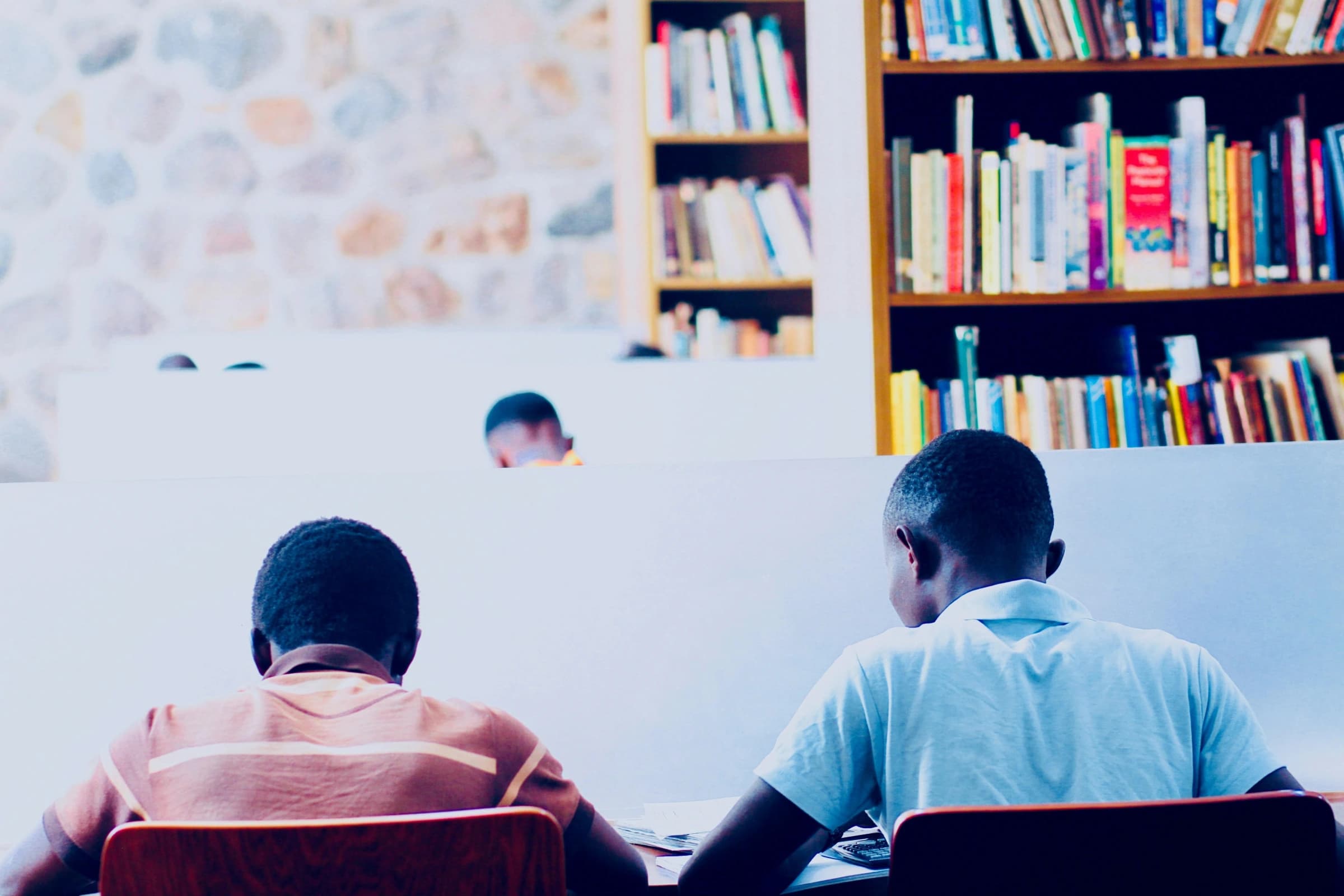




Every year, the release of the Kenya Primary School Education Assessment (KPSEA) results is eagerly awaited by learners, parents, teachers, and education stakeholders. For many, it is a moment of pride, relief, and reflection—a tangible measure of effort, understanding, and potential. Yet, in recent years, a growing trend of delayed results has disrupted the academic calendar, leaving parents frustrated, learners uncertain, and schools struggling to plan effectively. The time has come to state this plainly: the timely release of KPSEA results is not optional; it is an urgent necessity.
Parents, the first stakeholders in any child’s education, are the hardest hit by delays. They are expected to support their children’s learning, provide guidance, and make informed decisions about future educational pathways. Yet, without KPSEA results, parents are navigating in the dark.
How can they identify a child’s strengths or weaknesses if they have no data? How can they celebrate successes or correct course where performance has fallen short? The absence of results breeds anxiety, frustration, and helplessness. Parents are forced to rely on guesswork or anecdotal evidence rather than hard data, undermining the very partnership that is essential for effective learning. Timely KPSEA results empower parents—they equip them with the tools needed to engage meaningfully, motivate, and guide their children toward success.
Schools, too, bear the burden of delayed KPSEA results. These assessments are critical for planning, resource allocation, and the delivery of targeted interventions. A school that does not have access to KPSEA results cannot effectively structure classes, identify students in need of remedial support, or plan for advanced learners.
Instructional strategies are compromised when decisions must be based on assumptions rather than evidence. Teachers may be forced to address gaps reactively rather than proactively, and learning outcomes inevitably suffer. In short, delayed results undermine the effectiveness of education at the very point where intervention could make the most difference.
ALSO READ:
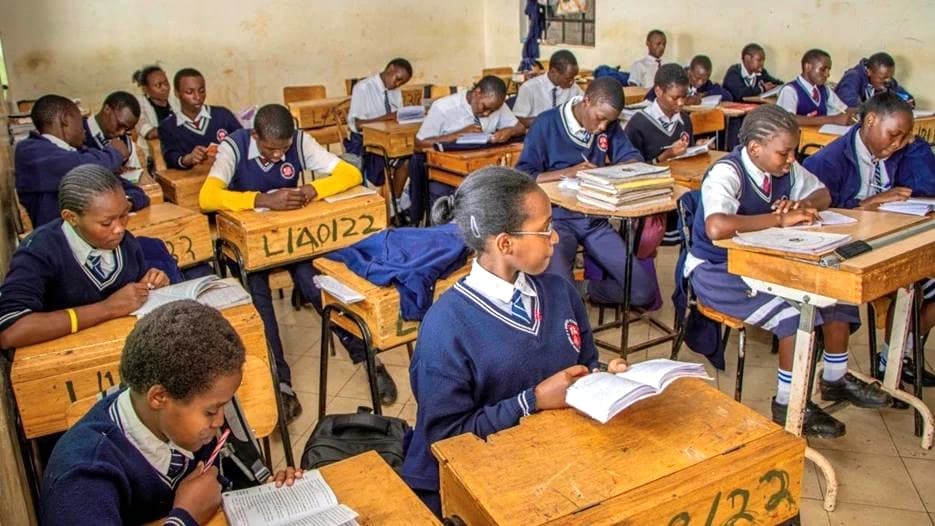
Most junior schools are currently in a state of confusion due to delayed KPSEA results. Teachers are left unsure about how to structure classes, which learners need remedial attention, and how to allocate resources effectively.
Parents, meanwhile, cannot provide guidance or support because they have no information on their children’s performance. The lack of clarity trickles down to students, who are left without feedback, recognition, or direction. This confusion disrupts learning continuity, undermines teacher planning, and erodes confidence in the education system. Timely KPSEA results would resolve this chaos. Schools could immediately identify learners’ strengths and weaknesses, implement interventions, and plan for the next academic steps. Teachers could organize classes appropriately, target resources efficiently, and provide meaningful feedback. Parents could engage constructively in their children’s learning journey. In short, timely results are the only way to restore order, confidence, and purpose in junior schools across the country.
The implications extend beyond individual students and schools; they impact the entire educational ecosystem. KPSEA results form the foundation for career guidance, even at the primary school level. Early identification of a child’s strengths and weaknesses is essential for subject selection, participation in enrichment programs, and planning for the transition to secondary education. Delays in results mean counselors and teachers cannot provide informed advice.
Parents and students are forced to make critical decisions based on incomplete information, potentially limiting opportunities for learners who might otherwise excel if properly guided. In today’s rapidly evolving education landscape, where skills, competencies, and tailored learning pathways matter more than ever, delays in KPSEA results risk closing doors before learners even have a chance to explore them.
Credibility and trust in the education system are also at stake. A system that consistently fails to release KPSEA results on schedule undermines its own authority. Parents, learners, and communities begin to question the competence and efficiency of exam authorities. Delays breed unnecessary anxiety and erode confidence in the fairness and reliability of the assessment process.
Timely release of KPSEA results, on the other hand, signals accountability, efficiency, and a commitment to excellence. It communicates that the system respects the time and expectations of stakeholders and that learners’ achievements are valued and recognized.
Resource allocation is another critical area affected by delayed KPSEA results. Schools rely on assessment outcomes to distribute teaching materials, plan remedial programs, and assign teachers where they are most needed. Delays prevent targeted action, meaning that gaps in learning persist longer than necessary. Immediate access to results allows schools and education authorities to respond swiftly and ensure that no learner is left behind.
ALSO READ:
https://educationnews.co.ke/history-made-as-knut-makueni-officials-re-elected-unopposed-in-branch-polls/
The cost of delays is not abstract; it is measured in lost learning opportunities, slower academic progress, and diminished motivation. Timely KPSEA results enable a proactive education system, one that identifies needs, allocates resources, and implements interventions before learning gaps become entrenched.
The social and emotional effects of delayed KPSEA results should not be underestimated. Learners who perform well deserve timely recognition, which motivates them to continue striving for excellence. Those who underperform need immediate feedback to understand their shortcomings and make necessary adjustments.
When results are delayed, motivation wanes, confidence suffers, and resilience is tested unnecessarily. The psychological impact is real: learners feel forgotten, unsupported, and uncertain about their progress. Timely KPSEA results are not merely administrative—they are a mechanism to inspire learners, boost morale, and encourage growth.
Technology and streamlined processes provide a clear path forward. The KPSEA process must embrace modern tools and systems that allow for rapid, accurate compilation of results. Exam authorities should adopt technologies that reduce manual handling, minimize errors, and accelerate the publication of results.
At the same time, clear communication with parents, schools, and learners is essential. Everyone involved should know when to expect outcomes, so they can plan accordingly. Predictable, timely release of KPSEA results is not just good practice; it is a cornerstone of a responsive, efficient, and accountable education system.
The consequences of inaction are significant. Each day of delay is a lost opportunity—an opportunity for parents to guide, for schools to intervene, for learners to correct course, and for the education system to demonstrate its reliability. The longer KPSEA results are withheld, the greater the uncertainty, frustration, and anxiety.
Education is a partnership, and timely results are the glue that holds this partnership together. Delays weaken that partnership, leaving parents disempowered, schools unprepared, and learners disadvantaged.
ALSO READ:
https://educationnews.co.ke/joseph-milimo-a-parent-on-mission-to-educate-his-children-with-charcoal/
In practical terms, the timely release of KPSEA results requires deliberate planning, adequate resourcing, and accountability at every level of the examination process. Authorities must set realistic timelines, ensure adequate staffing, and utilize technology to process results efficiently.
Transparency is also key: stakeholders should be informed of any potential delays and given clear explanations to maintain trust in the system. In doing so, the education system signals that it values every learner’s achievement and respects the role of parents and teachers in supporting learning.
The urgency cannot be overstated. Education is one of the most powerful tools for social and economic transformation in Kenya. Learners who are supported promptly, guided effectively, and recognized for their efforts are more likely to thrive. Delays in KPSEA results undermine this potential, creating unnecessary barriers and leaving learners at a disadvantage. Parents need accurate data to make decisions, schools require results to plan effectively, and learners deserve timely feedback to grow. The stakes are too high to tolerate procrastination.
Ultimately, the message is clear: Kenya cannot afford another year of delayed KPSEA results. Timely release strengthens the education system, empowers parents, supports schools, and motivates learners.
It is a tangible way to ensure that education fulfills its purpose: preparing every child to reach their full potential. Anything less is a disservice to learners, parents, and the future of the nation. The time to act is now. Timely KPSEA results are not just desirable—they are non-negotiable.
The call to action is simple: education authorities must streamline KPSEA processes, embrace technology, and adhere to clear timelines. Schools and parents must continue advocating for accountability and transparency in the release of results. Every learner deserves timely recognition, every parent deserves accurate data, and every school deserves the information it needs to function effectively. Delayed KPSEA results serve no one—they frustrate, demoralize, and undermine the very purpose of assessment. Timely results, on the other hand, empower, inspire, and transform.
The education system in Kenya stands at a crossroads. It can choose efficiency, accountability, and responsiveness, or it can continue to tolerate delays that compromise learning. Every year, delayed KPSEA results undermine confidence, waste resources, and frustrate parents and learners alike. There is no reason why this cycle should continue. Timely KPSEA results are a reflection of a system that values education, respects stakeholders, and prioritizes learners’ growth. The time to act decisively is now.
Parents, teachers, learners, and policymakers alike must insist on accountability and demand the timely release of KPSEA results. It is not a luxury; it is a necessity for an education system that is responsive, learner-centered, and forward-looking. Timely KPSEA results are the foundation of informed decisions, effective learning interventions, and meaningful recognition of effort. They are the cornerstone of a credible education system, and they must be delivered without delay.
By Hillary Muhalya
You can also follow our social media pages on Twitter: Education News KE and Facebook: Education News Newspaper for timely updates.
>>> Click here to stay up-to-date with trending regional stories
>>> Click here to read more informed opinions on the country’s education landscape



Reader Discussion (0)
Sign in to comment