





As Kenya transitions into the fourth and final stage of Basic Education with the rollout of Senior School (Grades 10–12), it is necessary to critically examine whether existing school models align with the philosophy, structure, and assessment approach of the Competency-Based Curriculum (CBC). One long-standing debate, whether day schools are better than boarding schools, can no longer be treated as a theoretical or sentimental discussion. Under CBC, this debate has become an evidence-based and policy-relevant reality.
The CBC is anchored in the development of core competencies, values, and community-linked learning, as outlined in the Kenya Institute of Curriculum Development (KICD) Senior School Curriculum Designs. Unlike the 8-4-4 system, which prioritised content coverage and examination performance, CBC emphasizes the learner’s ability to apply knowledge, skills, values and attitudes in real-life contexts. This fundamental shift places day schools at a significant structural and philosophical advantage.
Senior School learners take seven subjects, with three drawn from a chosen career pathway aligned to their talents, interests and future aspirations. Learning within these pathways is explicitly expected to be experiential, inquiry-based, and connected to authentic environments beyond the classroom. For example, a learner pursuing the STEM pathway code ST1004 (Medicine and Health Sciences) is expected to engage with real healthcare settings through hospital visits, mentorships, interviews with practitioners and career shadowing. Such learning is more feasible for day school learners, who can access hospitals, clinics, laboratories, and community health facilities after formal lessons. Boarding school learners, constrained by rigid schedules, controlled movement and institutional routines, face significant limitations in engaging consistently and meaningfully with such environments.
ALSO READ:
https://educationnews.co.ke/bonchari-mp-on-the-spot-over-alleged-discrimination-in-awarding-bursaries/
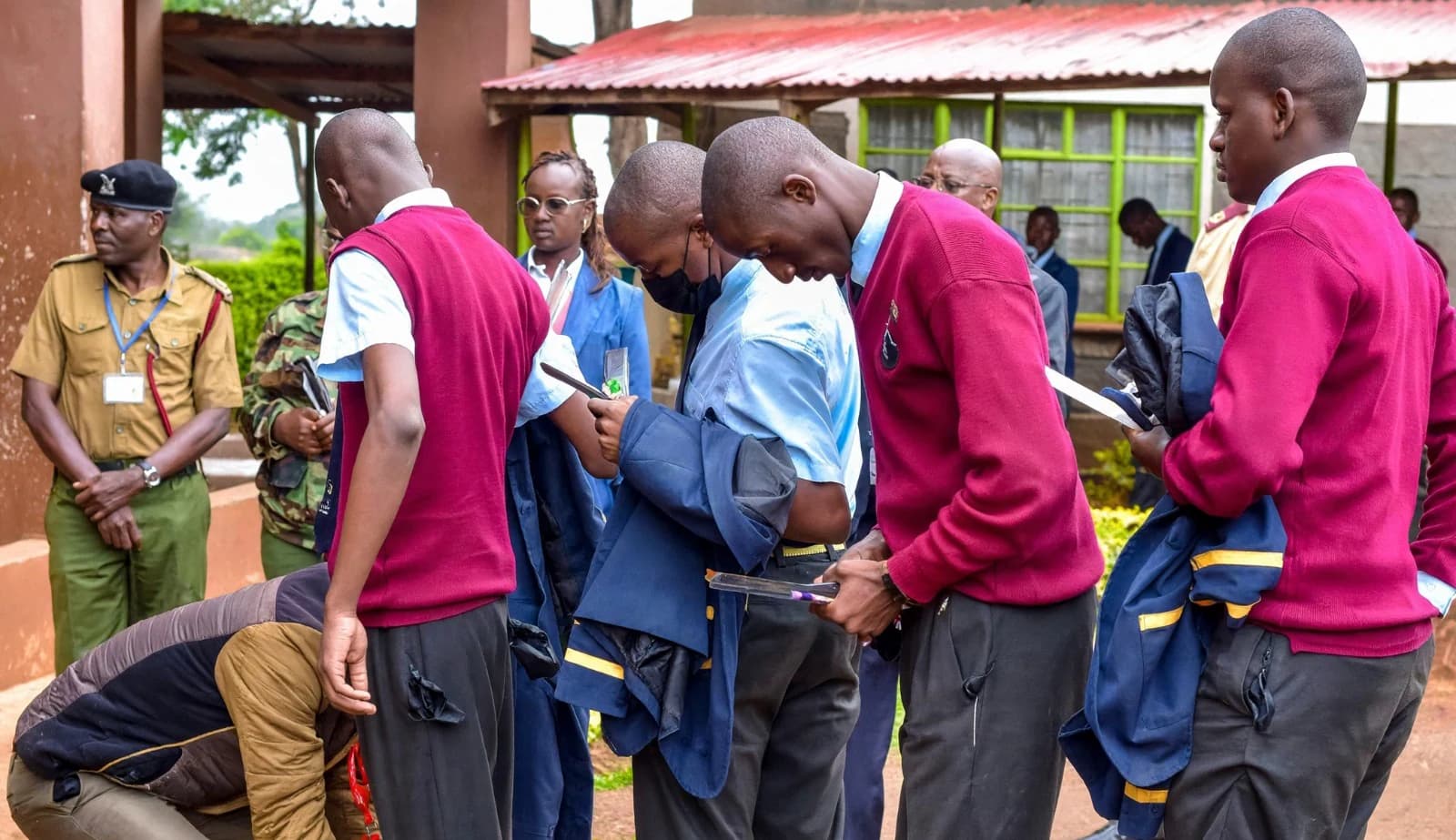
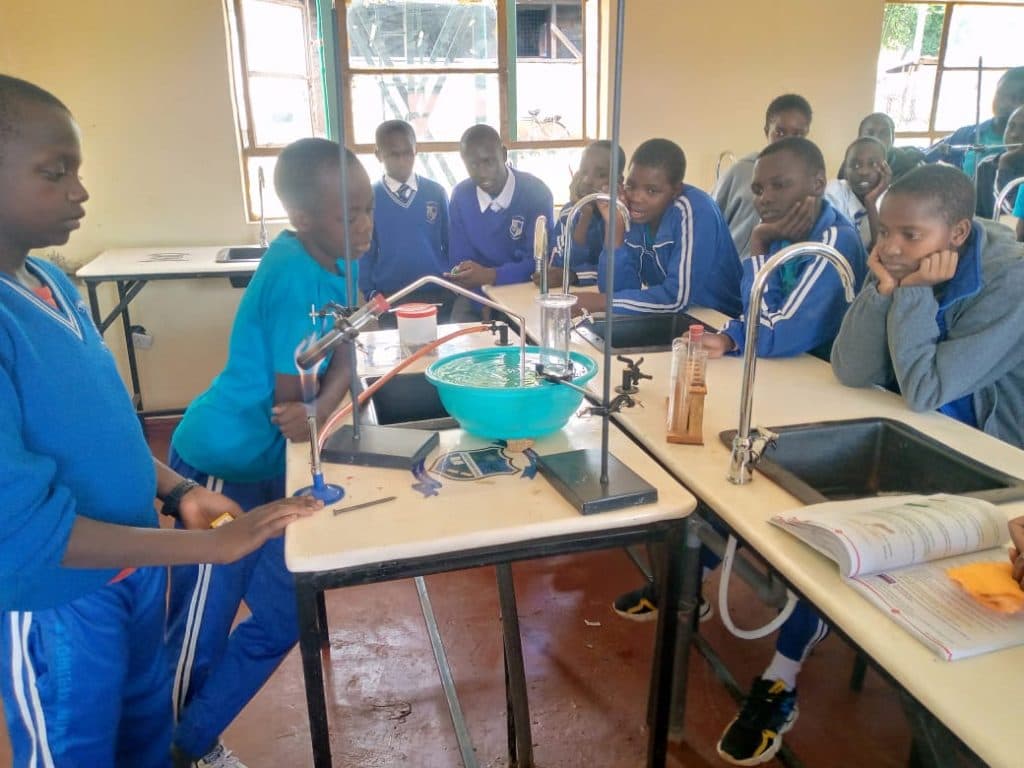
CBC Senior School designs also emphasize strong linkages with institutions of higher learning, industries, and community organizations. Learners in Technical, Engineering, and Applied Sciences pathways are expected to acquire hands-on competencies through structured exposure to recognized technical institutions. Day schools naturally support this requirement. Learners can complete school lessons by early afternoon and proceed to TVET institutions or technical colleges for skills training. Weekends and holidays can be utilized for extended practice, a critical component of mastery learning under CBC. Boarding schools, by contrast, rely on complex transport arrangements and permissions, making sustained industry engagement difficult and, in many cases, impractical.
Digital literacy and ICT integration are core competencies under CBC. Senior School learners are expected to conduct research, document learning experiences, collaborate digitally, and build electronic portfolios. However, many boarding schools continue to restrict access to personal electronic devices, forcing learners to rely on limited computer lab sessions. This approach is inconsistent with CBC’s emphasis on learner autonomy and independent inquiry. Day schools, on the other hand, allow learners under parental guidance to access digital tools, cyber cafés, community ICT hubs, and personal devices. Expecting learners to depend on teachers’ phones or tightly controlled institutional labs undermines CBC’s vision of producing innovative, self-directed problem solvers.
Assessment under CBC is continuous, formative, and reflective. Assessment for Learning (AfL) requires learners to plan projects, conduct fieldwork, collect evidence, reflect on progress, receive feedback, and improve over time. Day schools offer the flexibility required for such assessment practices. Learners can engage in community projects, interviews, research, and portfolio development beyond school hours. Boarding schools, still structured around fixed routines and exam-oriented traditions inherited from the 8-4-4 system, struggle to provide the time and flexibility demanded by competency-based assessment.
Parental and community engagement is another foundational pillar of CBC. Parents are not passive spectators but active partners in the learning process. Day schools naturally strengthen this partnership by keeping learners rooted in their homes and communities. Parents can support research activities, facilitate career exposure, arrange mentorship opportunities, and reinforce values learning. Boarding schools, by design, separate learners from their primary social and cultural contexts, weakening one of CBC’s most critical support systems.
ALSO READ:
https://educationnews.co.ke/kuppet-west-pokot-branch-elects-new-leaders-after-highly-contested-polls/
For effective implementation of CBC at Senior School level, both public and private day schools (C4 schools) are more aligned to the curriculum philosophy than boarding schools. The success of CBC will not be measured by examination rankings or mean scores but by learners’ ability to demonstrate competencies, solve real-world problems, innovate, and transition smoothly into careers, entrepreneurship, and further training.
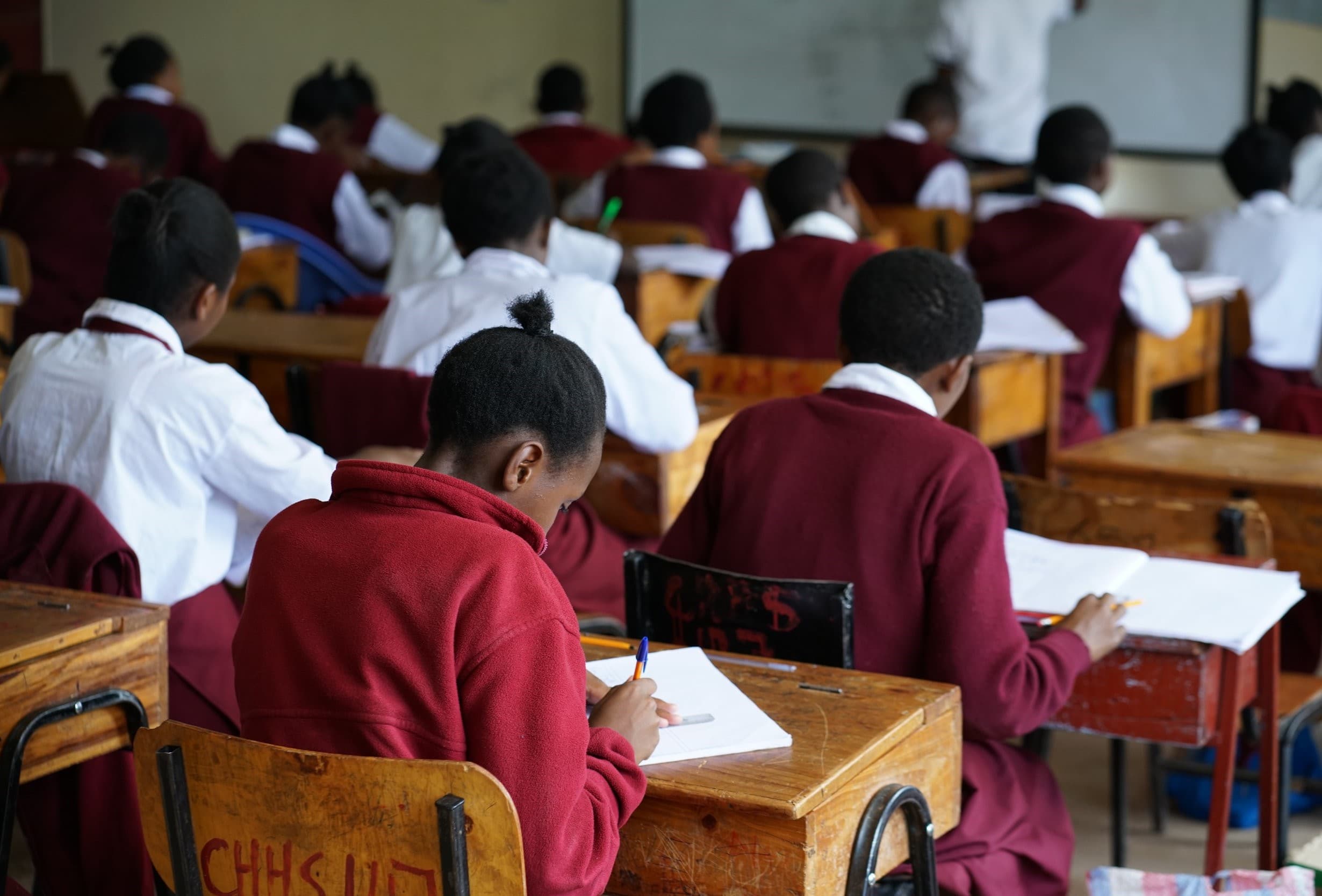
Boarding schools, particularly C1 schools, performed well under the 8-4-4 system by producing examination results, often after admitting academically strong learners. However, CBC is not an examination-driven curriculum. Despite having impressive infrastructure, many boarding schools remain structurally misaligned with CBC’s learner-centered, community-based, and competency-driven vision.
In the coming years, Kenya is likely to witness a paradigm shift in which some of the most competent engineers, doctors, technicians, and innovators emerge from day schools, schools that nurture engaged, empowered, and ethical citizens in line with the true spirit and intent of CBC.
By Polycap Ateto
Polycap is a passionate educator and a CBE champion.
You can also follow our social media pages on Twitter: Education News KE and Facebook: Education News Newspaper for timely updates.
>>> Click here to stay up-to-date with trending regional stories
>>> Click here to read more informed opinions on the country’s education landscape

Reader Discussion (0)
Sign in to comment