








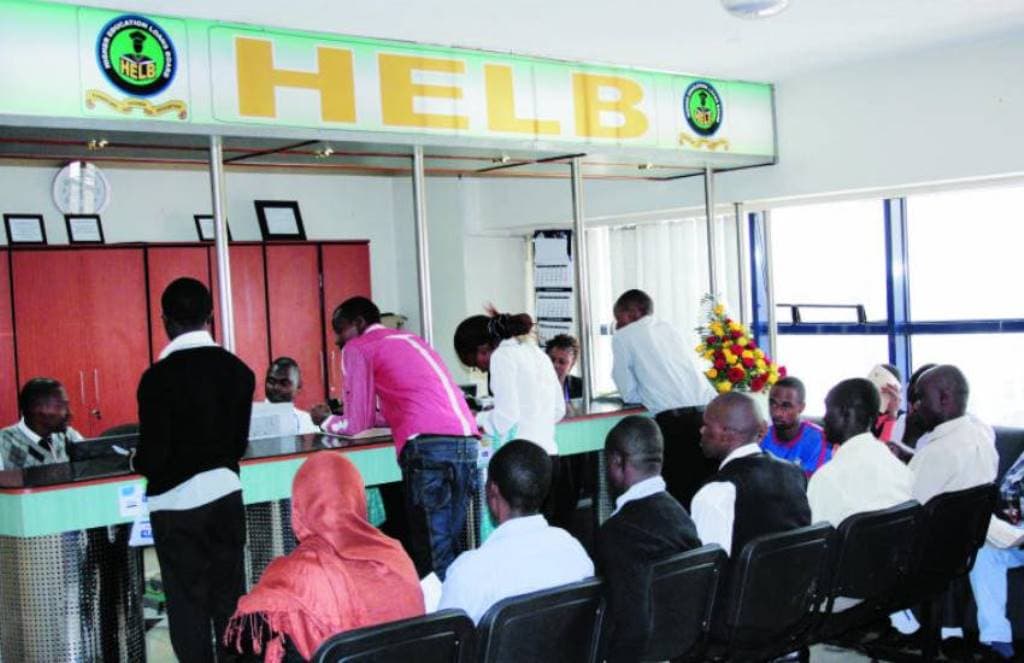
Higher Education Financing (HEF) including both scholarships and loans, and University Management keep accurate and detailed records of every student’s academic and funding status within their respective mandates. These records include registration, attendance, leave of absence, suspension, rustication, and discontinuation, and are supported by formal reports and institutional documentation.
It is standard practice for universities to submit returns to HEF as required. However, there are moments in between these systems where individual decisions by funding recipients still matter. Situations such as leave of absence, suspension, rustication, or temporary discontinuation may arise for different reasons. During these periods, automatic systems may not always immediately reflect a student’s actual learning status, yet HEF disbursements may still continue.
In such circumstances, the responsibility shifts to the funding recipient. It is the student’s duty to make a wise, honest, and responsible decision to pause funding until they are officially back in class, registered, and actively learning.
Remember: it is the student who applies for subsequent funding. Accepting funds during time away from studies creates a personal debt obligation that must still be repaid.
This guidance applies to students in both public and private universities.
It is important to understand this reality: receiving HEF/HELB funding while on Leave of Absence or away from campus regardless of the reason often means that the same funding may not be available when you return and need it most.
ALSO READ:
https://educationnews.co.ke/21-years-waiting-how-kenyan-teachers-dreams-of-becoming-principals-are-crushed/
The later stages of your course are usually the most critical. This is when: You need fees to register for final units, you must clear balances to sit examinations, you require funding for research projects, attachments, or final submissions and your ability to complete and graduate depends on full fee clearance.
Receiving upkeep money while at home may feel helpful or comfortable for a moment, but the effect is often short-lived.
According to HEF records, once funds for a particular academic year have been disbursed, that year is considered paid for.
What this means in reality is that: when you return to campus, no new funding may be released for that same period
You may be required to self-finance the remaining time, and the student is likely to be stuck for a period equal to the time or funds already received, despite being academically ready to continue.
Many students find themselves delayed at the end of their course, not because of academic failure, but because funding meant for active learning was consumed during time away from studies.
Make wise decisions.
HEF/HELB funding is meant to facilitate learning, not to support time spent at home. Short-term comfort can lead to long-term delay.
You may agree or disagree with this message. However, I have met several students who struggle to complete their studies due to lack of fees, despite having received funding earlier while not in class.
This situation is painful, discouraging, and largely preventable. Frankly speaking, it is irresponsible for a student to continue receiving funding while at home and later become stuck at the end of their course.
This information is about protecting your future.
Pausing HEF/HELB funding during academic interruptions is not losing support, it is preserving it for the moment that matters most: returning to class, completing your studies, and graduating on time.
By Dr Mercy Igoki
Career Coach
You can also follow our social media pages on Twitter: Education News KE and Facebook: Education News Newspaper for timely updates.
>>> Click here to stay up-to-date with trending regional stories
>>> Click here to read more informed opinions on the country’s education landscape




Reader Discussion (0)
Sign in to comment