






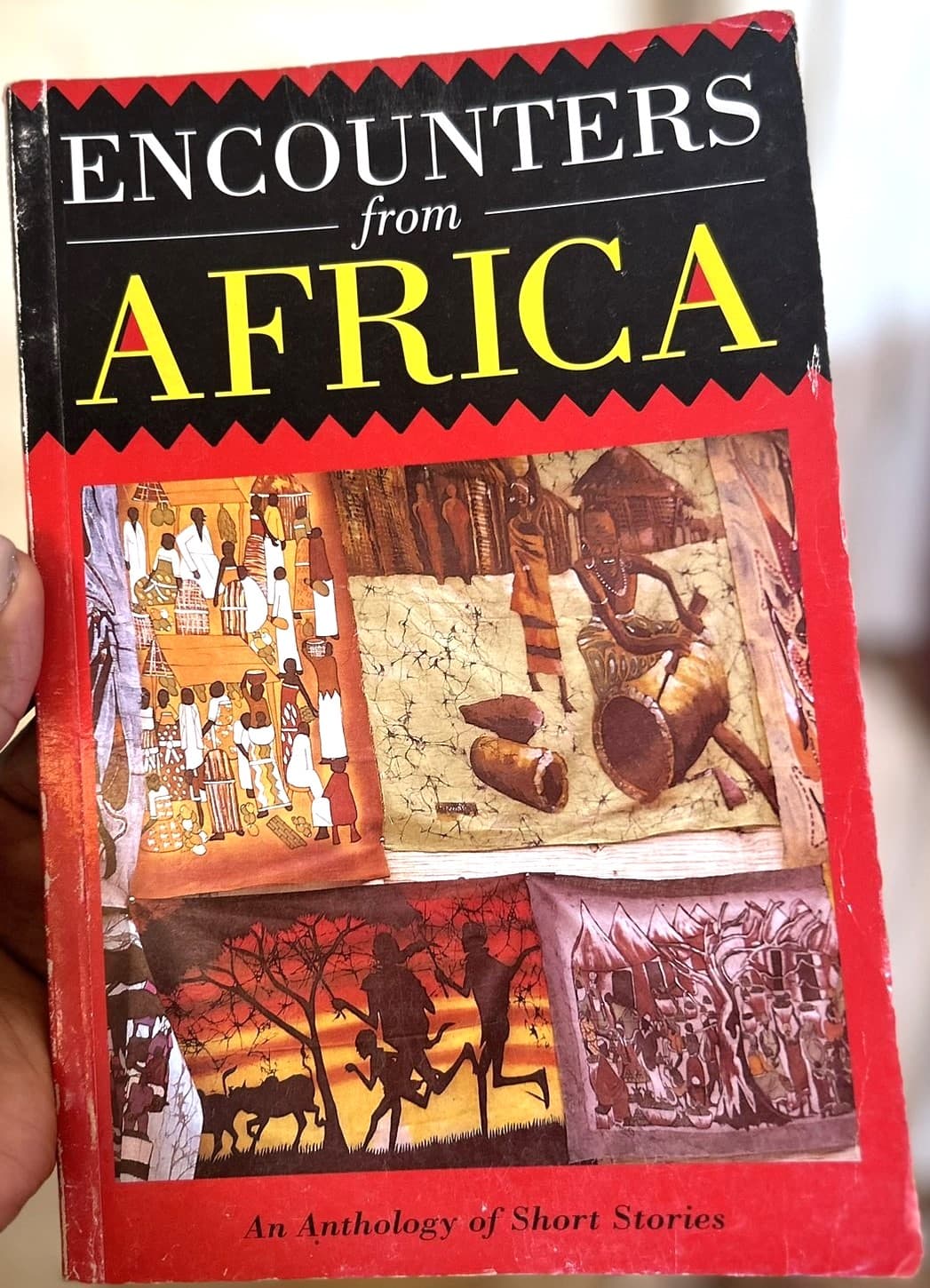
Over the last two decades, short story anthologies have played a defining role in shaping classroom literary culture in Kenya and across East Africa. Titles such as Encounters from Africa, Half a Day, Memories We Lost, and A Silent Song have done more than provide examinable material; they have nurtured reading habits, sharpened analytical skills, and expanded the imaginative horizons of thousands of learners. In a fast-paced digital era, these anthologies have quietly sustained the art of reflective reading and critical engagement.
Encounters from Africa arrived at a time when there was a deliberate push to foreground African voices within the curriculum. The collection exposed learners to diverse narratives drawn from across the continent—stories rooted in village life, urban tension, generational conflict, colonial legacies, and contemporary aspirations. It challenged the dominance of Eurocentric texts and affirmed that African experiences are worthy of literary exploration. For many students, this anthology was the first time they encountered fictional worlds that felt familiar in language, setting, and cultural nuance. That recognition built confidence and deepened engagement.
Half a Day continued this tradition by blending African and global perspectives. The anthology’s strength lay in its thematic range—identity, injustice, childhood innocence, political power, and social transformation. Short stories, by their nature, demand precision and attentiveness. Every paragraph carries weight; every symbol matters. Through texts in Half a Day, learners refined their ability to infer meaning, interpret imagery, and appreciate narrative economy. Teachers often noted how the brevity of the stories made them accessible while still intellectually demanding. In classrooms pressed for time, the short story became a powerful pedagogical ally.
Memories We Lost marked a shift toward more emotionally layered and psychologically nuanced storytelling. Its narratives often revolved around memory, trauma, reconciliation, and the fragile threads that hold families and societies together. This anthology resonated deeply with a generation navigating rapid social change—urbanisation, technological disruption, and shifting cultural norms. By engaging such themes, learners were invited not only to analyse text but also to reflect on their own lived realities. Literature became a mirror as much as a window.
Then came A Silent Song, a collection that further consolidated the short story’s place within the secondary school curriculum. It explored silence—not merely as absence of sound, but as a metaphor for suppressed voices, hidden pain, and unspoken resilience. Through its varied stories, students confronted issues of gender, generational gaps, social expectations, and personal courage. The anthology demonstrated how much emotional and thematic depth can be compressed into a few pages. For exam candidates, it offered rich ground for literary analysis; for thoughtful readers, it offered moments of quiet revelation.
Collectively, these anthologies illustrate why the short story has remained a staple in literature syllabi for over twenty years. First, they democratise reading. Unlike long novels that require sustained commitment over weeks, short stories allow learners to complete a narrative arc within a lesson or two. This accessibility encourages even reluctant readers to participate. A student who might feel intimidated by a 300-page novel can confidently engage with a 10-page story and experience the satisfaction of completion.
Anthologies as Laboratories of Literary Diversity
Second, short story anthologies expose learners to multiple authors and styles within a single volume. Instead of being confined to one narrative voice, students encounter diverse tones, structures, and cultural contexts. This multiplicity strengthens comparative analysis. Learners can juxtapose themes across stories, evaluate different character portrayals, and appreciate stylistic variation. Over time, this builds literary agility and intellectual flexibility.
Third, these anthologies have nurtured empathy. Because short stories often focus intensely on pivotal moments in characters’ lives, they draw readers into emotionally charged situations. Students encounter poverty, betrayal, hope, sacrifice, ambition, and redemption in concentrated form. Such encounters cultivate emotional intelligence and moral reflection—qualities essential for responsible citizenship.
The endurance of Encounters from Africa, Half a Day, Memories We Lost, and A Silent Song also speaks to the evolving priorities of the curriculum. While each anthology reflects its specific historical moment, together they chart a trajectory toward inclusivity and contextual relevance. They have amplified African voices while maintaining global dialogue. They have preserved storytelling as both an art and an instrument of critical inquiry
READ ALSO: Youth empowerment forum ignites change at Koitaleel Samoei University College
As Kenya transitions into the Competency-Based Education framework, the legacy of these anthologies remains instructive. They remind educators that literature is not merely about passing examinations but about shaping perception and perspective. The short story, compact yet profound, remains an ideal vehicle for cultivating analysis, creativity, and compassion.
Looking back over two decades, it is clear that these anthologies have formed a silent but steady backbone of literary education. They have trained generations to read between the lines, to question assumptions, and to appreciate the power of narrative craft. In classrooms across the country, they sparked debates, inspired essays, and perhaps even ignited the dreams of future writers. Their contribution to literary culture endures—proof that sometimes the shortest stories leave the longest impact.
By Ashford Kimani
You can also follow our social media pages on Twitter: Education News KE and Facebook: Education News Newspaper for timely updates.
>>> Click here to stay up-to-date with trending regional stories
>>> Click here to read more informed opinions on the country’s education landscape
>>> Click here to stay ahead with the latest national news.


Reader Discussion (0)
Sign in to comment