





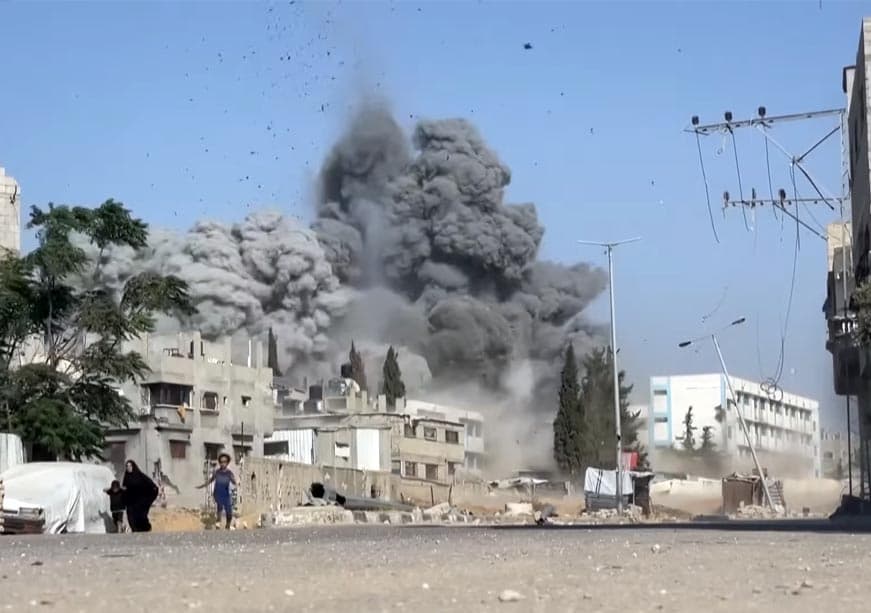
In a highly interconnected world, wars rarely remain confined to the territories where they begin. A conflict that erupts in one region can quietly spread its economic consequences across continents, affecting societies that may seem geographically distant from the battlefield.
If a prolonged war involving Iran continues to unfold in the Gulf region, its effects will not be limited to military calculations or diplomatic tensions. The economic shockwaves are likely to penetrate deeply into everyday life, reaching households, markets, government budgets, and ultimately the classrooms where children are trying to build their futures.
The truth is stark: in the modern global economy, no society is completely insulated from the ripple effects of a major war, especially when it occurs in a region that anchors global energy supply. Schools, family budgets, and national education systems may seem far removed from war zones, yet they are among the institutions most vulnerable to the economic consequences of prolonged conflict.
At the centre of the potential disruption lies the Gulf region’s strategic importance in global oil trade. A key artery in this system is the Strait of Hormuz, a narrow waterway through which nearly one-fifth of the world’s oil supply passes every day. The mere possibility of conflict disrupting this route can send tremors through global energy markets. Oil traders react quickly to uncertainty, insurers raise premiums for shipping companies, and energy prices begin to rise long before actual supply disruptions occur.
Economists warn that a sustained military confrontation in the Gulf could push global crude oil prices up by 25 to 40 percent. Such an increase would quickly translate into higher petrol and diesel prices in fuel-importing countries, potentially rising by 20 to 35 percent locally. Because fuel is the backbone of transportation, agriculture, manufacturing, and electricity generation, these increases trigger a chain reaction that spreads through the entire economy.
ALSO READ:
https://educationnews.co.ke/kmtc-warns-applicants-against-scammers/
Once fuel prices begin to climb, the cost of moving goods and people inevitably rises. Transport operators must adjust fares to cover their operating expenses, and freight companies increase delivery charges. Within a short time, the prices of basic commodities begin to rise, not necessarily because they have become scarce, but because it has become more expensive to produce and transport them.
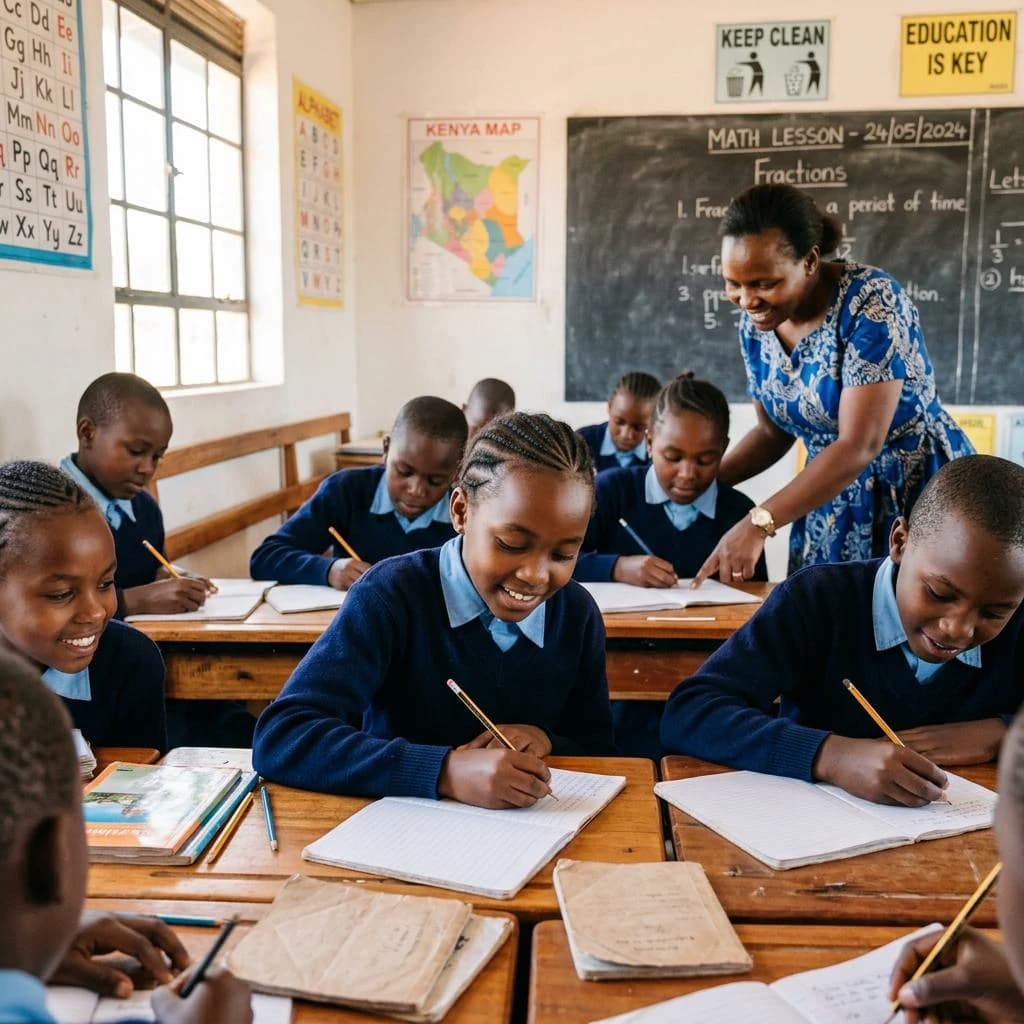
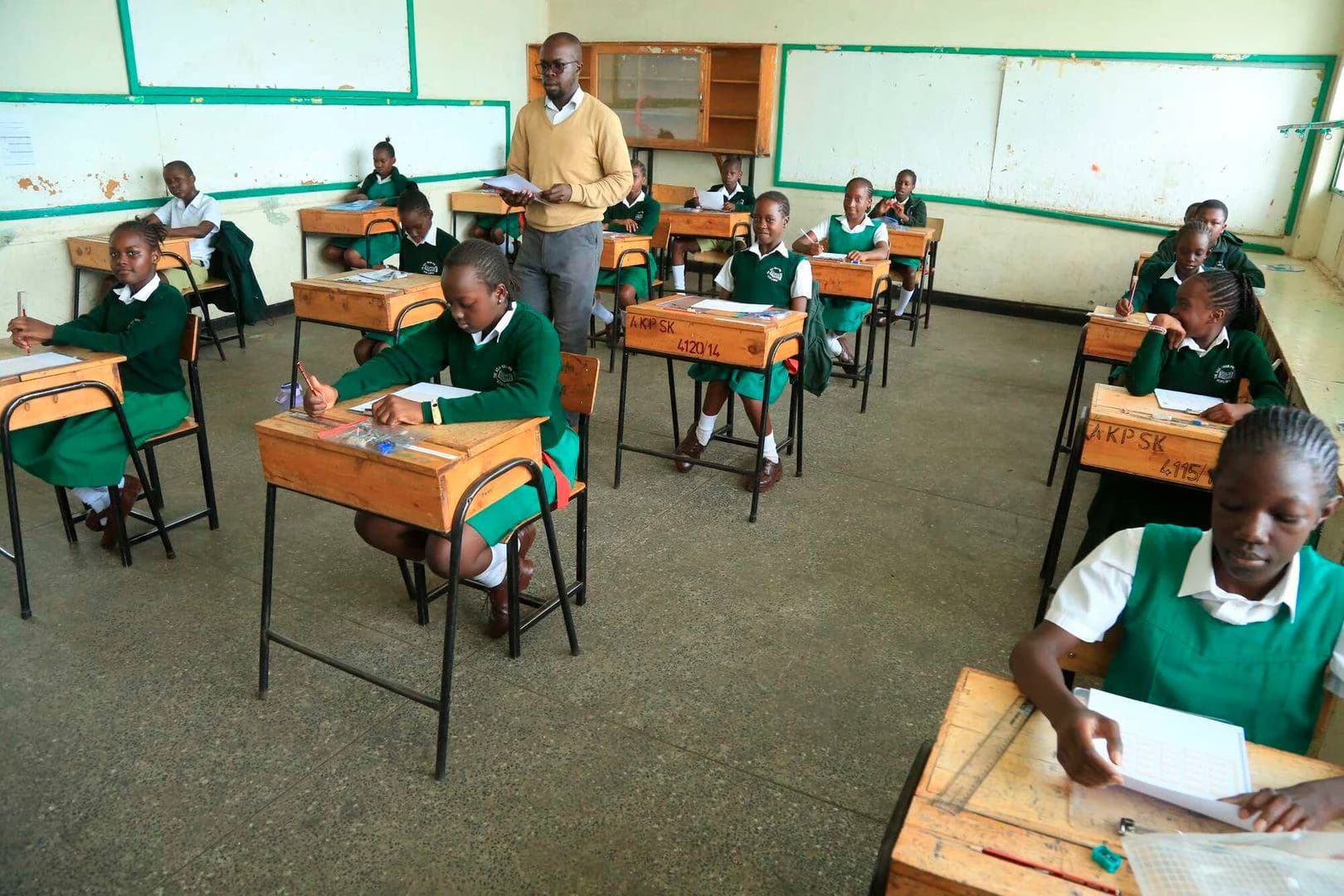
Schools are among the first institutions to feel the pressure from such economic shifts. Transportation is a crucial component of the education system. In many communities, particularly in developing countries, students rely heavily on buses, motorcycles, taxis, or shared vehicles to reach school each day. When fuel prices surge, transport operators have little choice but to raise fares.
Public transport costs could rise by 15 to 30 percent, a significant burden for families already managing multiple expenses. What may seem like a modest daily fare increase quickly accumulates into a substantial monthly cost. For parents struggling to balance school fees, food bills, and rent, the cost of transporting children to school can become overwhelming.
As household finances tighten, difficult choices begin to emerge. Some families may reduce the number of days children attend school in order to save transport costs. Others may require students to walk long distances each morning. In extreme cases, parents may withdraw children from school altogether, especially older students who are physically capable of helping support family livelihoods.
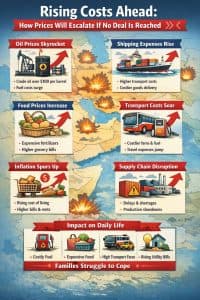
Direct and indirect effects of the Gulf War in Graphics
Family budgets are often fragile structures built around limited and predictable incomes. In many households, particularly those in low- and middle-income communities, income levels remain relatively stable while prices fluctuate widely. When global conflict drives inflation upward, the delicate balance of household spending quickly collapses.
Under normal circumstances, a family might allocate roughly 35 percent of its income to food, 10 percent to transportation, and about 20 percent to education-related expenses such as fees, uniforms, books, and transport. However, when fuel prices and food costs rise due to global instability, these proportions shift dramatically. Food expenditure may climb to 45 percent of household income, while transport expenses could rise to 18 percent.
These adjustments leave less financial space for education. Spending on schooling may fall to 12 to 15 percent of household income, forcing parents to delay payments or reduce educational spending altogether. Schools soon begin to experience the consequences. Late school fee payments may increase by 25 to 40 percent, creating cash-flow problems for institutions that rely on timely fees to meet operational expenses.
ALSO READ:
https://educationnews.co.ke/public-varsity-lecturers-researchers-to/
Boarding schools face even more complex financial challenges during periods of global economic turbulence. These institutions operate like small communities, providing accommodation, meals, electricity, water, and transportation for hundreds of students. Every aspect of this system depends heavily on energy and supply chains.
Food deliveries, maintenance materials, laboratory equipment, and administrative transport all rely on vehicles that consume fuel. If diesel prices rise sharply, the cost of operating school vehicles increases significantly. At the same time, suppliers transporting goods to schools raise their prices to offset higher fuel expenses.
In practical terms, operational costs for boarding schools could increase by 20 to 30 percent during a sustained energy price surge. School administrators then face difficult decisions: increase school fees, reduce certain services, postpone infrastructure improvements, or attempt to absorb the costs with already limited resources.
Food prices represent another powerful link between Gulf conflicts and educational stability. Agriculture today depends heavily on fossil fuels. Tractors and irrigation systems run on fuel, while fertilisers are manufactured through energy-intensive industrial processes that rely heavily on natural gas.
When oil and gas prices rise, fertiliser costs increase as well. Farmers must then charge higher prices for their produce to cover their production expenses. This inflation spreads throughout the food supply chain, affecting wholesalers, retailers, and ultimately consumers.
Staple foods such as maize, wheat, rice, and cooking oil could increase by 18 to 35 percent, while processed foods may rise by 20 to 40 percent during periods of sustained energy market disruption. For boarding schools responsible for feeding hundreds of students every day, such increases can strain budgets severely.
School feeding programmes could experience cost increases of 20 to 30 percent, forcing administrators to adjust menus or reduce portion sizes. In some cases, schools may request additional contributions from parents simply to maintain basic nutrition standards.
ALSO READ:
https://educationnews.co.ke/kakamega-school-crowned-county-rugby-15s/
Students attending day schools also feel the effects indirectly through their family food budgets. When household food costs rise sharply, families often reduce meal portions or shift to cheaper, less nutritious foods. Children arriving at school hungry find it difficult to concentrate, participate in lessons, or retain information effectively.
Research consistently shows that poor nutrition undermines learning outcomes. Hunger affects memory, attention span, and overall cognitive development. Over time, widespread food insecurity within communities can translate into declining academic performance and increased absenteeism.
Government budgets represent another channel through which global conflicts affect education systems. Rising oil prices increase the cost of importing fuel, forcing governments to allocate larger portions of national budgets to energy purchases. This financial pressure often leads to difficult fiscal decisions.
In many cases, governments respond by postponing development projects, reducing certain expenditures, or reallocating funds toward economic stabilization measures. Education, unfortunately, sometimes becomes one of the sectors affected by these adjustments.
Infrastructure spending for schools could decline by 5 to 10 percent, while new school construction projects may fall by 10 to 15 percent. Although these percentages may appear small, the long-term implications can be substantial. Delayed infrastructure development means overcrowded classrooms, limited learning facilities, and slower expansion of educational opportunities.
Teacher welfare is another area where the impact of economic shocks becomes visible. Rising inflation erodes the purchasing power of salaries. Even when teachers continue to receive their wages regularly, those wages may no longer cover the same range of household expenses as before.
Financial pressure can lead to stress and reduced morale among educators. Some teachers may seek additional employment opportunities to supplement their income, leaving less time and energy for lesson preparation, mentoring students, or participating in professional development programmes.
Learning resources also become more expensive during periods of global instability. Modern education systems rely on textbooks, laboratory equipment, computers, and internet infrastructure—many of which are imported or dependent on international supply chains. Higher shipping costs caused by rising fuel prices or increased insurance premiums for cargo passing through conflict-prone regions can significantly raise the cost of educational materials.
ALSO READ:
https://educationnews.co.ke/kisii-school-trounces-long-time-rival/
Schools facing budget constraints may delay purchasing new textbooks, upgrading computer laboratories, or investing in modern learning technologies. Students are then left with outdated materials, limiting their ability to access quality education.
The psychological effects of prolonged global conflict also deserve attention. War dominates news headlines, social media discussions, and community conversations. Students are exposed to stories of violence, economic uncertainty, and rising prices. For young people trying to understand the world around them, such constant exposure can generate anxiety and confusion.
Teachers often find themselves addressing questions about war, international politics, and economic hardship in addition to their academic responsibilities. While such discussions can be educational, they also reflect the broader sense of uncertainty that global conflicts bring into everyday life.
Economic hardship can also increase school dropout rates. Families experiencing financial strain may require older children to assist with income-generating activities. Teenagers may leave school to work in farms, markets, or informal businesses to help support their households.
Secondary school dropout rates could increase by 5 to 12 percent under severe economic pressure, with rural communities sometimes experiencing even higher rates—up to 15 percent. These losses are not just personal tragedies for individual students; they represent long-term setbacks for national development.
Rural and marginalized communities are particularly vulnerable to global economic shocks. Limited employment opportunities and heavy dependence on agriculture make these areas highly sensitive to rising fuel and food prices. When economic conditions deteriorate, education spending is often among the first casualties.
Despite these challenges, education systems have historically demonstrated remarkable resilience during periods of crisis. Schools, communities, and governments often develop creative strategies to sustain learning. Flexible fee payment arrangements, community feeding programmes, and targeted government subsidies can help cushion the most vulnerable families.
Long-term solutions may also include investments in renewable energy for schools, such as solar power, which can reduce dependence on volatile global fuel markets. Strengthening local food production systems can help stabilize school feeding programmes during global supply disruptions.
Ultimately, the lesson from global economic history is clear: wars fought in distant regions can reshape the everyday realities of communities around the world. A prolonged conflict involving Iran in the Gulf region could trigger economic forces that reach far beyond the battlefield.
Rising fuel prices, soaring food costs, strained government budgets, and shrinking household incomes combine to create pressures that ripple through societies. These pressures eventually find their way into classrooms, affecting students, teachers, and the future of education.
The classroom may appear to be a quiet sanctuary of learning, but it is deeply connected to the wider global economy. When distant wars disrupt that economy, the consequences are felt even in the most peaceful school corridors.
And if the conflict continues to intensify, one truth will become impossible to ignore: in a globalized world, no family, no school, and no nation can remain immune to the economic consequences of war.
By Hillary Muhalya
You can also follow our social media pages on Twitter: Education News KE and Facebook: Education News Newspaper for timely updates.
>>> Click here to stay up-to-date with trending regional stories
>>> Click here to read more informed opinions on the country’s education landscape


Reader Discussion (0)
Sign in to comment