In an age where everyone with a smartphone can curate an audience, we are witnessing a strange and unsettling phenomenon: the rise of instant experts. A friend recently shared a glossy promotional poster on our WhatsApp wall for a workshop on parenting by a mutual acquaintance. I laughed at first, then grew uneasy. This is someone whose own marriage is visibly dysfunctional, whose domestic struggles have not exactly been private. Yet there it was – confident smile, polished graphics, bold claims about nurturing stable families and raising morally upright children. It forced me to confront a troubling question: when did performance replace authenticity, and when did projection become more important than practice?
Social media has democratised voice, which, in itself, is not a bad thing. It has allowed ordinary people to share ideas, inspire others, and build communities around shared struggles. However, alongside this positive shift, a marketplace has emerged flooded with self-proclaimed gurus in marriage, relationships, finance, lifestyle, weight loss, career growth, and virtually every sphere of life. The worrying trend is that many of these “experts” operate with two distinct personas: the lived-experience self and the projected-expert self. The former is flawed, inconsistent, and often struggles; the latter is polished, authoritative, and seemingly flawless.
The contradiction becomes glaring when the gap between these two selves is too wide to ignore. How can someone coach couples to sustain intimacy and resolve conflict when their own relationship is collapsing under unresolved tension? How can one stand before young girls and preach purity and discipline while living a life marked by the very excesses they warn against? There is something fundamentally dishonest about dispensing advice in public that one consistently fails to apply in private. It is not about demanding perfection; it is about demanding integrity.
True mentorship is rooted in credibility. Credibility does not come from eloquence, fashion sense, or a large following. It comes from lived consistency. A marriage counsellor does not need a perfect marriage, but they should demonstrate commitment, growth, and accountability in their own relationship. A financial coach does not need to be a billionaire, but they should display prudent financial habits and stability. Authority, especially moral authority, is earned through alignment between word and deed. Without that alignment, expertise becomes mere theatrics.
The problem is not that imperfect people teach. If that were the standard, no one would qualify to guide anyone. The problem is the absence of humility and honesty. There is a profound difference between someone who says, “I have struggled in my marriage and here is what I am learning,” and someone who masks those struggles while projecting an image of mastery. The first invites empathy and solidarity; the second invites suspicion. The first acknowledges the journey; the second sells an illusion.
Unfortunately, the incentives of social media reward illusion. Fame is monetizable. Attention translates into bookings, brand partnerships, and consultation fees. The more confident and dramatic the claims, the higher the engagement. In such an environment, authenticity can feel slow and unprofitable. It is easier to curate photographs of affection than to cultivate genuine affection. It is easier to deliver fiery speeches about loyalty than to practice it when tempted. It is easier to post inspirational quotes than to endure the slow, invisible work of self-discipline.
Yet society pays a price for this disconnect. When those who claim expertise are later exposed as hypocrites, public trust erodes. Young people grow cynical about marriage because the loudest advocates turn out to be inconsistent. Couples seeking help become disillusioned when the mentors they admire crumble under scandals. The culture begins to normalise duplicity: say what sells, live as you please. In time, sincerity itself becomes suspect.
The ancient wisdom that “you cannot give what you do not have” still holds. One cannot be patient while being habitually explosive. One cannot teach faithfulness while secretly unfaithful. One cannot nurture character in others while neglecting it within oneself. Teaching is not merely the transfer of information; it is the transfer of life. The most powerful lessons are not spoken from a stage but demonstrated in daily conduct. Children learn more from observing their parents’ interactions than from attending a parenting seminar. Couples learn more from watching how mentors handle conflict than from listening to rehearsed speeches.
This does not mean that only those who have “arrived” should speak. It means those who speak must do so from a place of integrity. There is dignity in saying, “I am still learning.” There is power in vulnerability. There is credibility in admitting past failure and demonstrating measurable change. Redemption stories inspire precisely because they are honest about brokenness. But pretending to be whole while privately fractured is neither inspiring nor responsible.
Before we enrol in the next masterclass or share the next poster, perhaps we should ask deeper questions. Does this person’s life reflect the message they are selling? Are they transparent about their journey? Do those closest to them affirm their character? Influence without integrity is dangerous. Visibility without virtue is empty.
In the end, society does not need more polished experts; it needs authentic examples. It needs men and women whose public words echo their private realities. It needs mentors who understand that moral authority is not self-declared but community-confirmed. You cannot give what you do not have – and no amount of branding can compensate for the absence of substance.
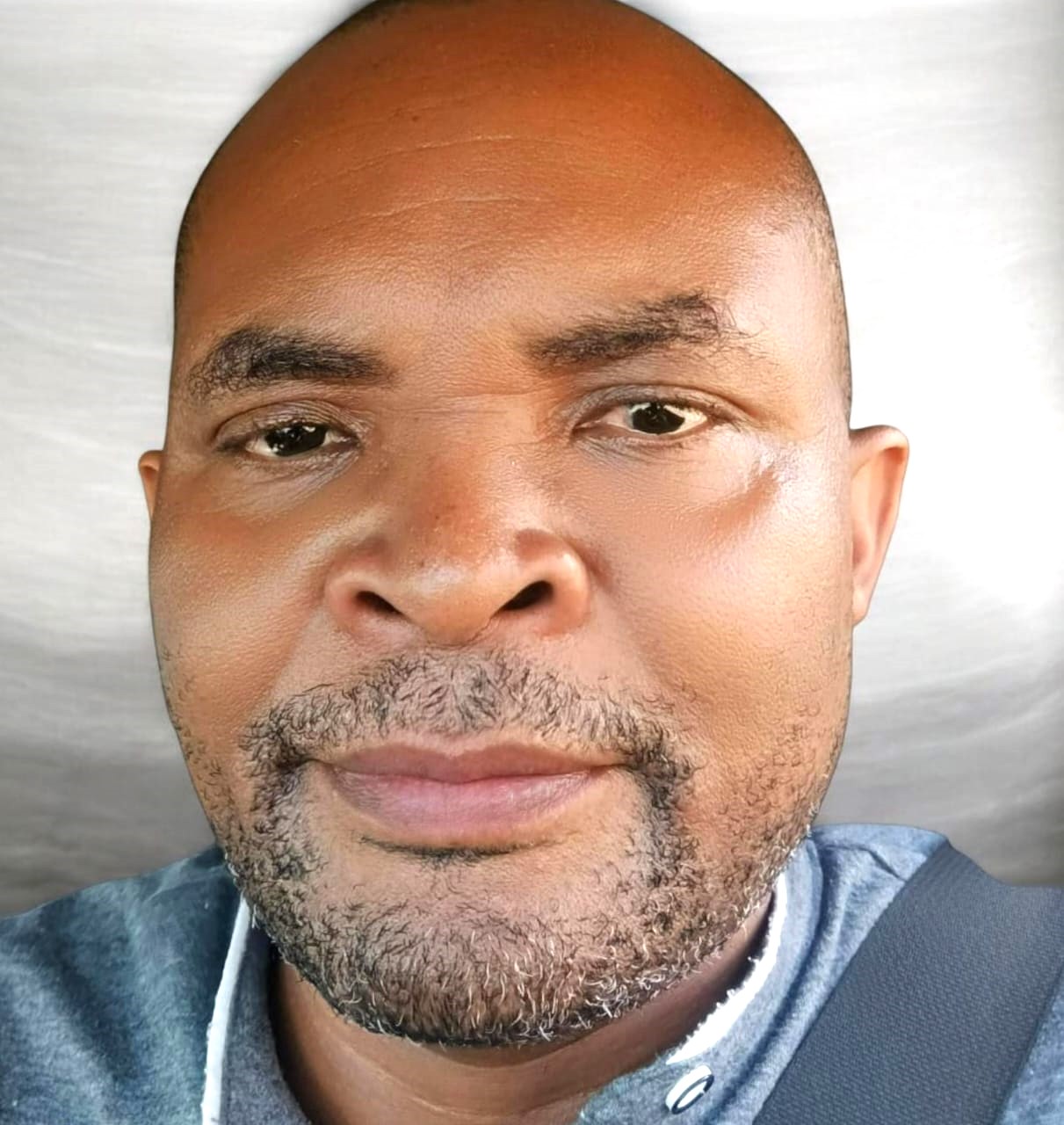
By Ashford Kimani
Ashford teaches English and Literature in Gatundu North Sub-county and serves as Dean of Studies.
You can also follow our social media pages on Twitter: Education News KE and Facebook: Education News Newspaper for timely updates.
>>> Click here to stay up-to-date with trending regional stories
>>> Click here to read more informed opinions on the country’s education landscape