


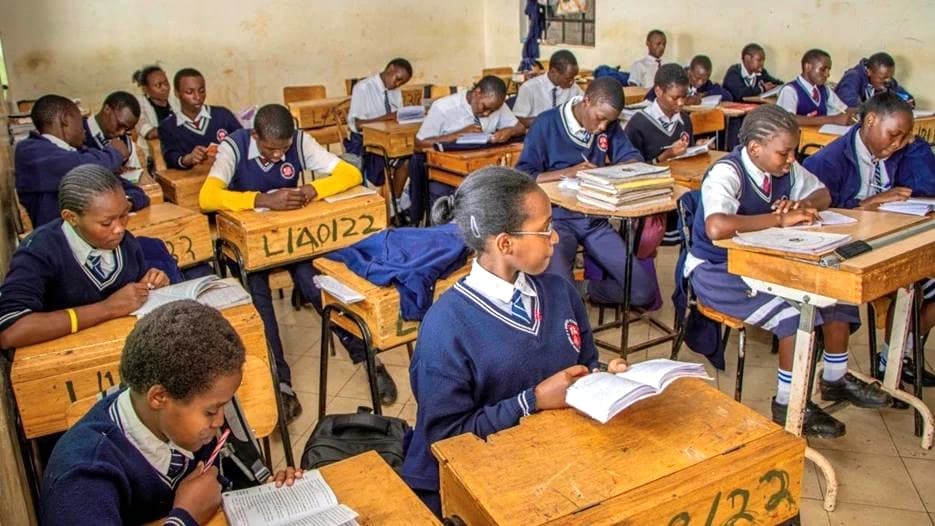




Punishment in schools has long been a contested terrain. For generations, discipline was equated with fear—canes, detentions, public humiliation, and harsh reprimands. Yet, across the world, some teachers have quietly practiced a different philosophy: that discipline should not break a child, but build one.
Their methods, often simple yet profoundly humane, reveal a deeper understanding of learning—not just as an academic process, but as a moral and emotional journey.
One of the most powerful examples comes from classrooms where instead of writing lines as punishment, students are asked to write letters—letters of reflection. A learner who disrupts a lesson may be required to write to the class explaining what happened, why it happened, and how it affected others. This approach shifts the focus from blind compliance to self-awareness. It teaches accountability without stripping away dignity. The learner is not reduced to their mistake; rather, they are guided to understand it.
In some schools in Japan, discipline takes an even more communal approach. When a student litters or damages property, they are not singled out for shame. Instead, they join their peers in cleaning the school. Cleaning is already a shared responsibility in many Japanese schools, so the “punishment” blends seamlessly into a culture of collective care. The message is subtle but powerful: you belong to this community, and your actions affect it. Repairing harm becomes more important than assigning blame.
Elsewhere, teachers have used empathy as a disciplinary tool. A widely shared story tells of a teacher who, instead of punishing a student caught stealing lunch, quietly began bringing extra food to class every day. She addressed the root cause rather than the symptom. Hunger, not delinquency, was the real issue. The “punishment,” if it can even be called that, was compassion. In the process, the student learned not fear of consequences, but trust and humanity.
ALSO READ:
https://educationnews.co.ke/kindiki-youth-empowerment-key-to-national-transformation/
In Finland, a country often celebrated for its progressive education system, discipline is rarely punitive. When students misbehave, teachers engage them in conversations—structured intentional dialogues that explore feelings, triggers, and consequences. A child who bullies another may be guided through restorative discussions where they must face the impact of their actions. The aim is not to label the child as “bad,” but to correct behavior while preserving self-worth. This restorative justice model has been shown to reduce repeat offenses because it addresses the emotional roots of behavior.
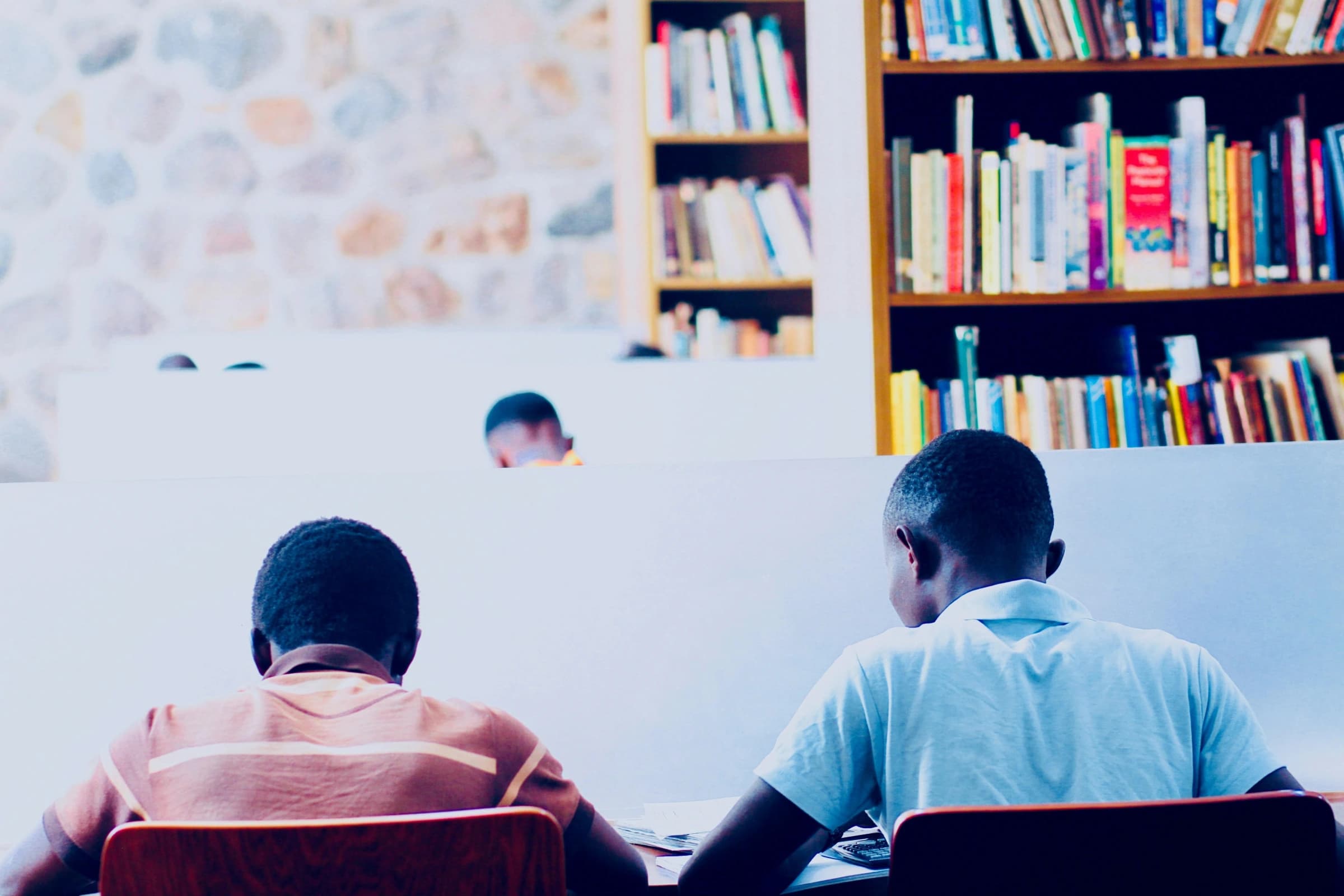
Even in more traditional systems, individual teachers have found creative ways to humanize punishment. Some have replaced detention with community service within the school—helping in the library, assisting younger learners, or organizing classroom materials. These tasks are not meant to degrade, but to instill responsibility and a sense of usefulness. A student who feels valued is far less likely to act out than one who feels constantly judged.
There are also teachers who turn punishment into an opportunity for growth. Instead of sending a disruptive student out of class, they may assign them a leadership role—managing a group activity or helping facilitate a lesson. At first glance, this seems counterintuitive. Why reward misbehavior with responsibility? Yet, the psychology is sound. Many disruptive learners are seeking attention or control. By channeling that energy into leadership, the teacher transforms a potential problem into a strength.
Another humane approach involves what might be called “silent discipline.” A teacher notices a student consistently arriving late. Instead of public reprimand, she begins each lesson with a brief, engaging starter activity that the student would not want to miss. Over time, the student adjusts—not out of fear, but out of motivation. Discipline, in this case, is embedded in the design of the learning experience itself.
ALSO READ:
https://educationnews.co.ke/bungoma-clergy-urges-discipline/
In parts of Africa, including Kenya, some teachers have begun adopting guidance and counseling as a disciplinary measure. A student who repeatedly breaks rules may be assigned sessions with a teacher or counselor to talk through their challenges. Often, issues at home—financial stress, family conflict, or emotional neglect—manifest as indiscipline in school. By addressing these underlying factors, the teacher becomes not just an enforcer of rules, but a mentor and advocate.
What unites all these approaches is a fundamental shift in perspective. Traditional punishment asks, “What rule was broken, and what penalty is deserved?” Humane punishment asks, “What went wrong, and how can we make it right?” It replaces retribution with restoration, fear with understanding, and authority with guidance.
Critics may argue that such methods are too soft, that they risk eroding discipline. But evidence and experience suggest the opposite. When students feel respected, they are more likely to respect rules. When they are involved in repairing their mistakes, they internalize values more deeply than when they are merely punished. Fear may produce short-term compliance, but it rarely fosters long-term character.
For teachers, adopting humane punishment requires patience, emotional intelligence, and creativity. It is far easier to issue a detention than to hold a meaningful conversation. It is simpler to enforce rules than to understand the child behind the behavior. Yet, the rewards are immeasurable. A classroom built on mutual respect becomes a space where discipline is not imposed, but shared.
Ultimately, the goal of education is not just to produce knowledgeable individuals, but responsible, empathetic citizens. Punishment, when necessary, should serve that goal. The most humane teachers in the world understand this deeply. They do not ask how to control learners, but how to guide them. And in doing so, they transform moments of failure into opportunities for growth—turning discipline into one of the most powerful lessons a child can ever learn.
By Ashford Kimani
Ashford teaches English and Literature in Gatundu North Sub-county and serves as Dean of Studies.
You can also follow our social media pages on Twitter: Education News KE and Facebook: Education News Newspaper for timely updates.
>>> Click here to stay up-to-date with trending regional stories
>>> Click here to read more informed opinions on the country’s education landscape



Reader Discussion (0)
Sign in to comment