



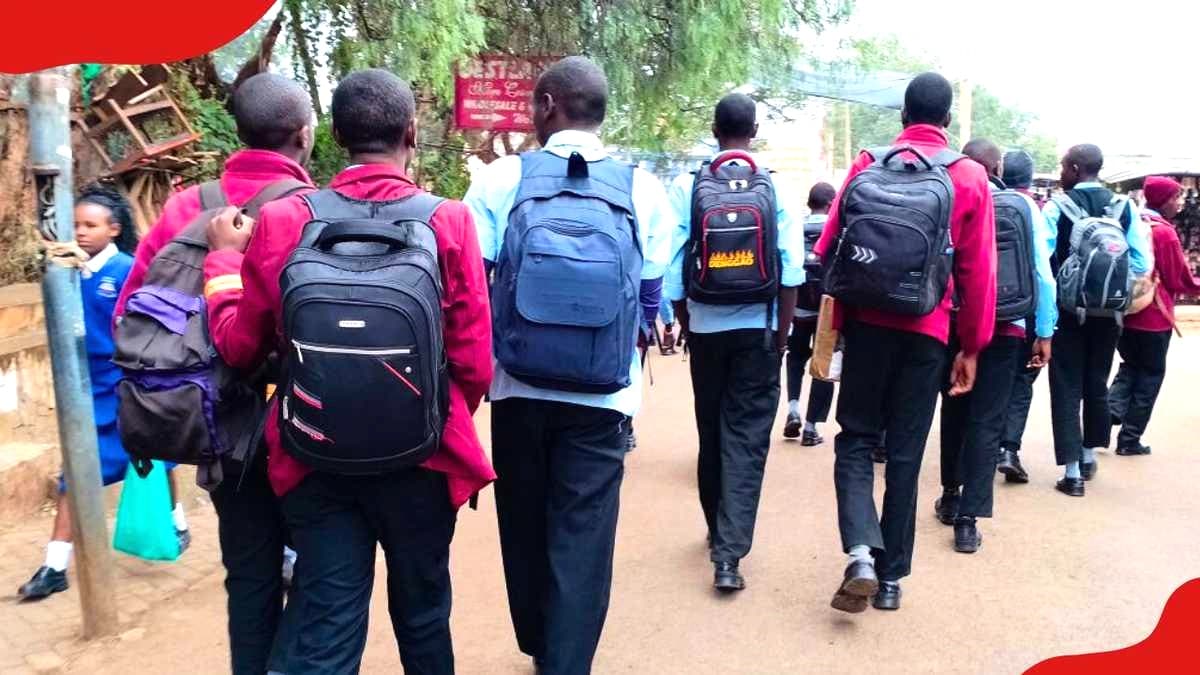
Across Kenya, a quiet but steadily intensifying crisis is taking shape within the walls of secondary schools. It is not announced by sirens or splashed dramatically across headlines, yet its impact is profound and far-reaching.
In Grade 9 and Grade 10 classrooms—newly expanded under the Competency-Based Education (CBE)—space is running out, resources are thinning, and a system built on promise is straining under the weight of reality. At the center of this unfolding pressure are C1 schools, the often-overlooked institutions that now carry the heaviest share of the burden.
These schools, largely day and sub-county institutions, have become the backbone of learner absorption. As students transition in large numbers from junior to senior levels, it is C1 schools that open their gates the widest. They take in the majority—those who do not secure places in national or extra-county schools—and in doing so, they have become the system’s shock absorbers. Yet this role, though critical, has exposed them to immense strain, revealing deep structural gaps that threaten the success of CBE itself.
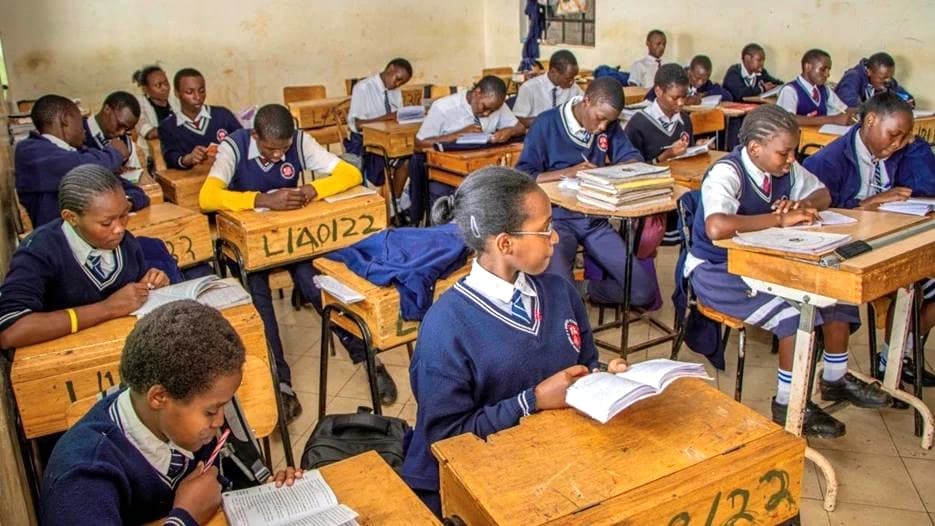
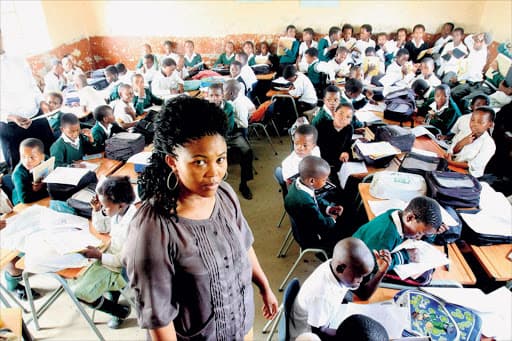
A walk into a typical C1 school tells a story that statistics alone cannot capture. Classrooms originally designed for forty learners now hold seventy, eighty, sometimes even ninety students. Desks are tightly packed, aisles disappear, and latecomers squeeze into whatever space remains. The teacher stands at the front, not just as an instructor but as a manager of numbers—projecting their voice across a sea of learners, hoping it reaches the back row. In such an environment, the ideal of personalized, competency-based learning begins to fade.
CBE was envisioned as a departure from rote memorization, a shift toward nurturing talent, creativity, and practical skills. It demands continuous assessment, individualized attention, and active learner engagement. But in overcrowded classrooms, these ideals are difficult to sustain. A teacher handling upwards of seventy learners cannot realistically track individual progress or provide meaningful feedback. Assessment becomes rushed, engagement becomes superficial, and learning risks reverting to the very methods CBE sought to replace.
The strain, however, goes beyond numbers. It cuts deeper into the very subjects that define the success of CBE—specialized, skill-oriented disciplines that require trained teachers, equipment, and space. In C1 schools, these are precisely the areas under the greatest pressure.
ALSO READ:
https://educationnews.co.ke/legislators-flag-governance-inclusivity-gaps-in-public-universities-and-technical-institutes/
Science subjects—Physics, Chemistry, Biology, and Mathematics—are among the hardest hit. These are not merely theoretical disciplines; they demand experimentation, observation, and hands-on engagement. Yet laboratories in many C1 schools are either too small, poorly equipped, or shared among large groups of learners. Practical lessons are shortened, rotated, or in some cases abandoned altogether.
The shortage of trained science teachers compounds the problem, leaving those available stretched thin across multiple streams. The Teachers Service Commission continues its recruitment efforts, but the pace has not matched the surge in enrollment, particularly in schools that need support the most.
Beyond the sciences, the gap widens further in technical and vocational subjects. Woodwork, metalwork, electrical studies, and building construction are central to the vision of a skills-driven education system. They are meant to prepare learners not just for exams, but for life and work.
Yet in many C1 schools, these subjects exist more in policy documents than in actual classrooms. Workshops are absent or outdated, tools are scarce, and teachers with the required technical expertise are few. Without the infrastructure and personnel to support them, these subjects lose their practical essence, reducing learning to theory without application.
Creative arts, too, bear the silent weight of overcrowding. Music, fine arts, theatre, and film studies are intended to unlock creativity and nurture talent, offering learners alternative pathways for growth and expression. But in packed classrooms, these subjects are often sidelined. When they are taught, it is frequently by teachers without specialized training, limiting their impact. The result is a system that risks overlooking talents that lie beyond traditional academic metrics.
Physical Education and sports, newly emphasized under CBE, face similar challenges. In theory, they are critical for holistic development, promoting health, discipline, and talent identification. In practice, however, many C1 schools lack trained personnel and structured programs to support them. What should be a robust component of education becomes an informal activity, dependent more on individual initiative than institutional support.
Perhaps the most concerning gap lies in Special Needs Education. CBE places strong emphasis on inclusivity, recognizing that every learner has unique needs and potential. Yet in overcrowded C1 classrooms, learners with disabilities often find themselves without the support they require. Trained Special Needs Education teachers are scarce, and resources are limited. Inclusion, in such contexts, becomes more aspirational than practical, leaving some of the most vulnerable learners at risk of being left behind.
ALSO READ:
https://educationnews.co.ke/how-to-hammer-humour-in-public-speaking/
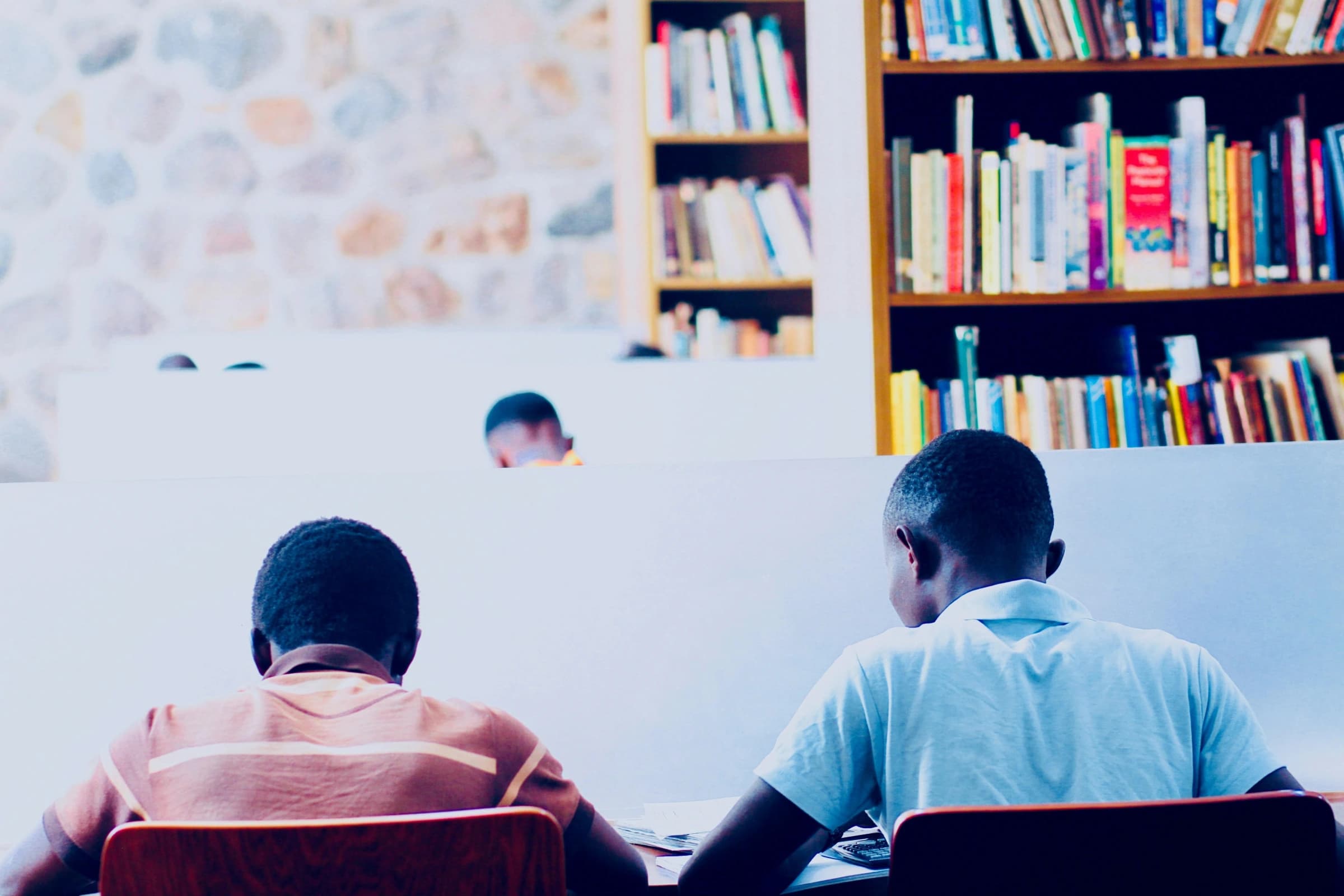
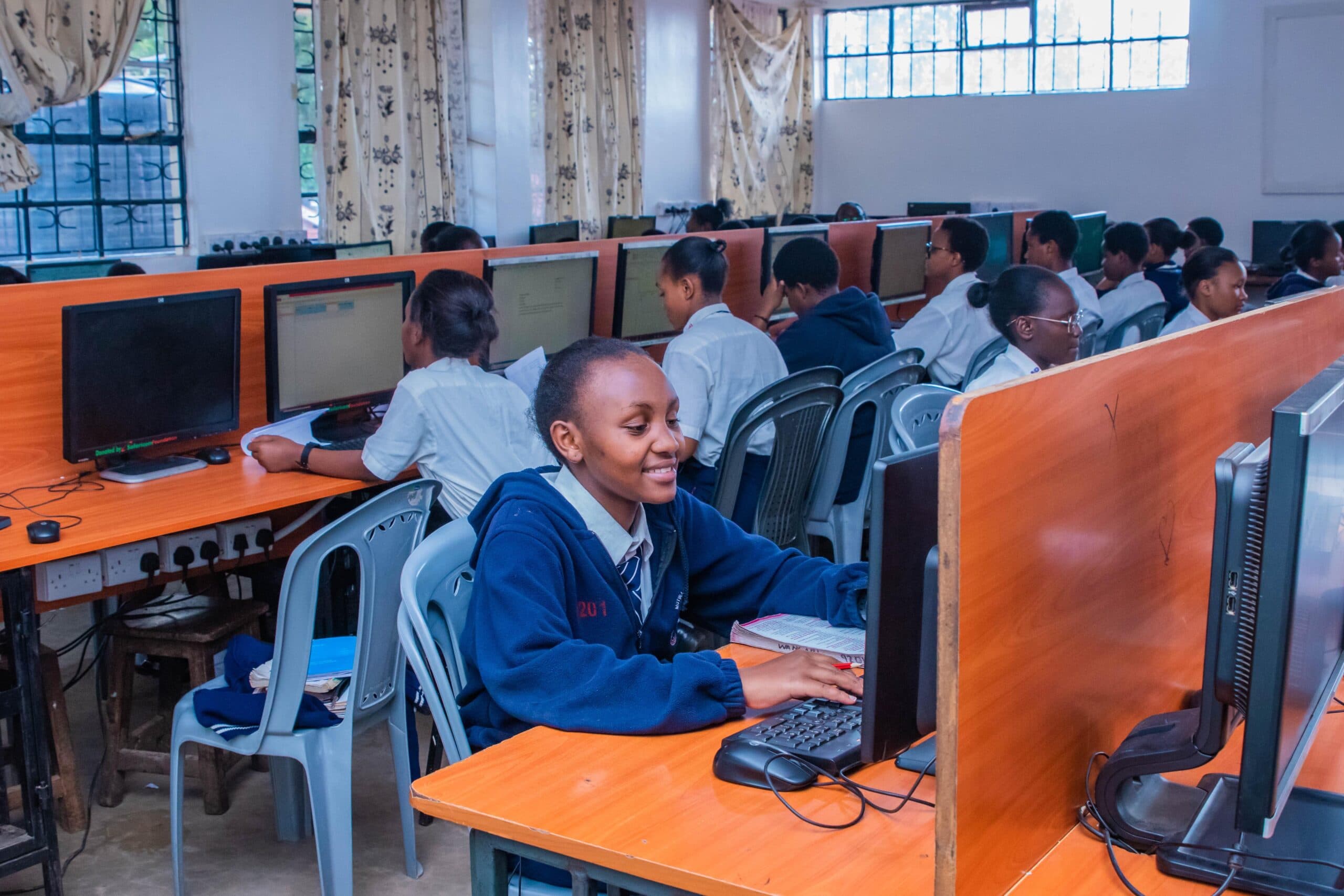
Infrastructure, already stretched, continues to buckle under pressure. Classrooms are not the only spaces feeling the strain. Laboratories, libraries, dormitories, and sanitation facilities are all operating beyond their intended capacity. Toilets designed for a manageable number of students are now used by hundreds more, raising serious concerns about hygiene, dignity, and health. Libraries struggle to accommodate learners seeking study space, while dormitories in boarding sections are often overcrowded.
Learning materials are equally strained. Textbooks are shared among multiple students, sometimes in ratios that make effective study difficult. Under CBE, where research, projects, and independent learning are emphasized, the lack of adequate materials becomes a significant barrier. Digital learning, often proposed as a solution, remains uneven. Many C1 schools lack sufficient devices, reliable internet connectivity, or trained teachers to integrate technology effectively into teaching.
As the system stretches, the burden quietly shifts to parents. Although C1 schools are intended to offer affordable education, many now rely on parental support to bridge resource gaps. Contributions for desks, learning materials, and supplementary programs are becoming increasingly common. For families already managing limited resources, these additional costs create financial strain, threatening the principle of equitable access to education.
Within the classroom, the human impact of overcrowding becomes increasingly evident. Discipline is harder to maintain, and individual attention is rare. Teachers, overwhelmed by numbers, struggle to identify and support learners who are falling behind. Quiet students fade into the background, their challenges unnoticed. At the same time, both learners and teachers experience rising levels of stress. The environment becomes one of survival rather than growth, where the focus shifts from excellence to endurance.
The irony at the heart of this situation is difficult to ignore. The Competency-Based Education was designed to transform education—to make it more inclusive, more practical, and more responsive to the needs of learners. Yet in C1 schools, which serve the majority, the conditions necessary to achieve this transformation are often absent. Instead of reducing pressure, the system is intensifying it. Instead of expanding opportunity, it risks narrowing it.
ALSO READ:
https://educationnews.co.ke/students-to-showcase-technology-talent/
And yet, these schools continue to carry on. They adapt, improvise, and persevere. Teachers go beyond their formal roles, finding ways to engage learners despite limitations. School leaders stretch resources, balancing competing demands with creativity and resilience. Students themselves push forward, determined to learn even in challenging conditions. It is a testament to the strength of the system—but also a reminder of how much more could be achieved with adequate support.
The voices emerging from these classrooms, though often unspoken, are clear and urgent. They call for more teachers—especially subject specialists who can deliver the depth and quality that CBE requires. They call for expanded infrastructure, from classrooms to laboratories and workshops.
They call for increased capitation funding that reflects actual enrollment, ensuring that resources match the number of learners on the ground. They call for investment in learning materials and digital tools, bridging the gap between policy and practice. And they call for stronger support for Special Needs Education, ensuring that inclusivity is not just an ideal, but a reality.
The Ministry of Education now stands at a critical juncture. The challenge is no longer about designing policy, but about implementing it effectively—especially in the schools that carry the greatest load. It requires targeted investment, strategic planning, and a clear recognition that not all schools face the same level of pressure.
C1 schools are not failing. They are overwhelmed. They are doing the heavy lifting of a system in transition, absorbing the majority of learners and striving to deliver on an ambitious educational vision with limited means. If they are strengthened, the entire system stands to benefit. If they are neglected, the consequences will ripple across the nation.
This is where the future of Kenya’s education system is being shaped—not in elite institutions with abundant resources, but in crowded classrooms where teachers and learners work against the odds. It is here that the success or failure of CBE will ultimately be determined.
The classrooms are full. In C1 schools, they are more than full—they are stretched to their limits, carrying not just students, but the weight of expectation, ambition, and national hope. The question is no longer whether the system can expand access; it has already done so. The question now is whether it can sustain quality, equity, and opportunity in the face of growing demand.
Because when classrooms overflow, it is not just space that runs out. It is attention, support, and the promise of transformation. And if that promise is to be fulfilled, the focus must shift to where the need is greatest—inside the crowded, resilient, and overburdened C1 schools of Kenya.
By Hillary Muhalya
You can also follow our social media pages on Twitter: Education News KE and Facebook: Education News Newspaper for timely updates.
>>> Click here to stay up-to-date with trending regional stories
>>> Click here to read more informed opinions on the country’s education landscape


Reader Discussion (0)
Sign in to comment