




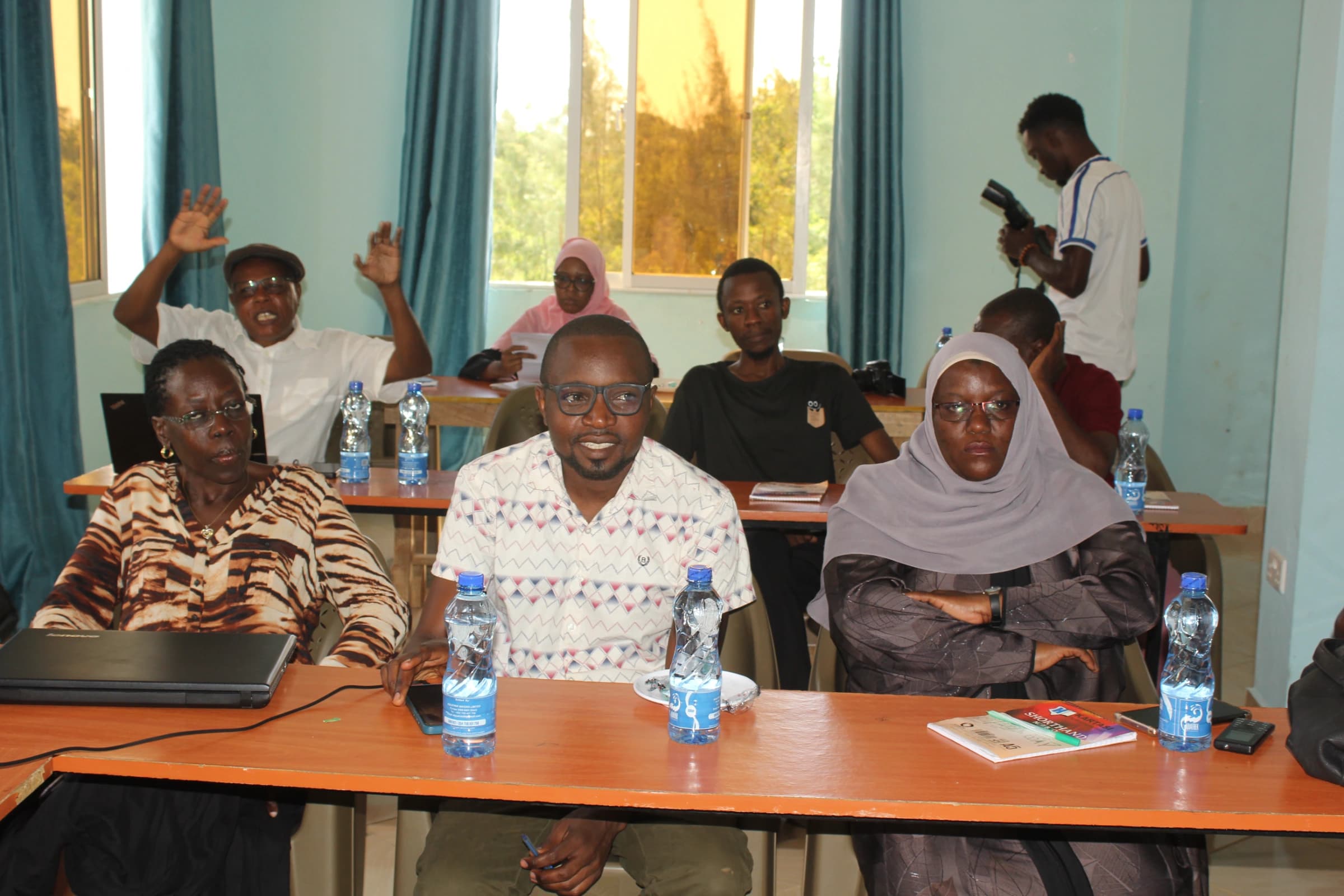




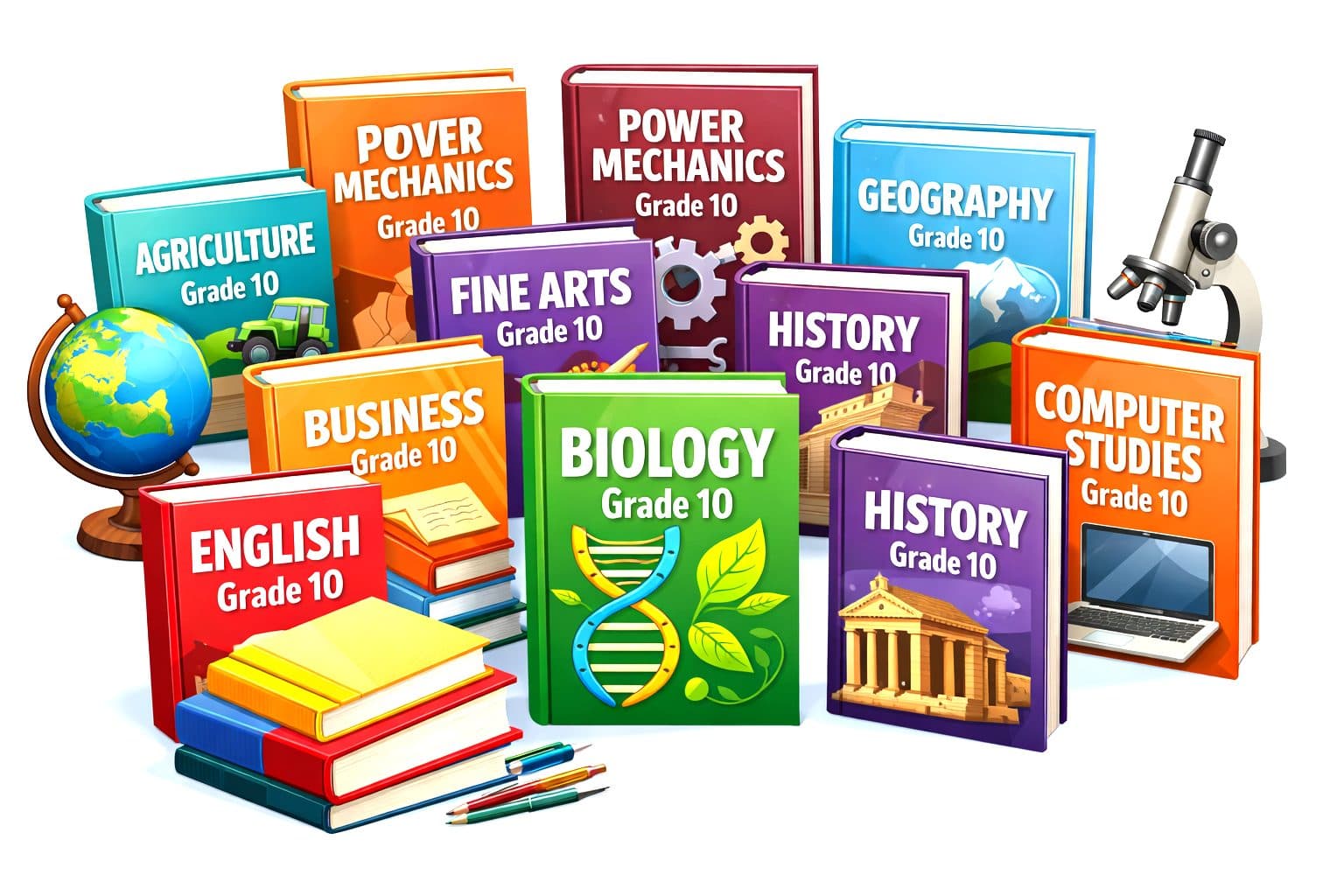
As Kenya commences the historic rollout of Senior School in January 2026, with the first cohort of Competency-Based Curriculum (CBC) learners entering Grade 10, the selection of appropriate course books emerges as a pivotal responsibility for parents, teachers and students.
These materials are not mere textbooks; they are essential tools designed to nurture competencies, practical skills, critical thinking and real-world application, aligning with the CBC’s vision of producing engaged, ethical and empowered citizens ready for tertiary education, vocational training, or direct entry into the workforce.
The Kenya Institute of Curriculum Development (KICD) released the official addendum to the Orange Book in December 2025, listing approved learner’s books and teachers’ guides for Grade 10. This list covers core subjects compulsory for all learners—English, Kiswahili or Kenyan Sign Language, Mathematics (Core or Essential, depending on the pathway), and Community Service Learning—as well as Physical Education, plus pathway-specific electives across three broad tracks: Arts and Sports Science; Social Sciences; and Science, Technology, Engineering, and Mathematics (STEM), with options in Applied Sciences and Technical Studies.
Reputable publishers dominating the approved titles include Kenya Literature Bureau (KLB), Oxford University Press, Moran Publishers, Longhorn Publishers, Spotlight Publishers, Mentor Publishing, Kenya Literature Bureau, Storymoja, East Africa Educational Publishers, Mentor Publishers, Distinction Publishers and others such as Hummingbird, Atfaal, Access, Booklyst and Highland. Only these KICD-approved materials are permitted in schools, ensuring alignment with national standards, learning outcomes and assessment frameworks.
Foremost in any selection process must be strict adherence to KICD approval. Parents and teachers should verify titles against the official addendum, available on the KICD website or through schools. Cross-reference the book’s table of contents with the Grade 10 curriculum design for the learner’s chosen pathway to confirm comprehensive coverage of all mandated topics, sub-topics, competencies, performance tasks, and sequencing. This step prevents omissions that could hinder classroom pacing, revision, or preparation for school-based assessments and future national evaluations.
ALSO READ:
https://educationnews.co.ke/st-josephs-girls-kitale-to-host-indomie-kenya-girls-sports-tournament/
Content quality forms the bedrock of an effective course book. Approved titles must deliver accurate, up-to-date information presented in a competency-focused manner, progressing logically from foundational knowledge to advanced applications and higher-order skills. Explanations should employ clear, inclusive, age-appropriate language suitable for 15- to 17-year-olds, incorporating Kenyan contextual examples, real-life scenarios, and practical activities that prioritise inquiry, problem-solving, and collaboration over mere rote memorisation. When reviewing samples – ideally in bookshops or school resource centres – assess whether the content balances depth with accessibility, integrating theory with hands-on tasks that reflect everyday Kenyan experiences, such as environmental conservation in Biology or entrepreneurial case studies in Business Studies.
Learner-friendliness significantly influences how effectively a student can engage independently, a core CBC goal at Senior School level. Opt for books featuring intuitive layouts: large, readable fonts; bold headings; consistent formatting; and easy navigation through indexes and page numbering.
Valuable aids include end-of-chapter summaries, glossaries of key terms, self-assessment questions, worked examples (especially in Mathematics and Sciences), extensive practice exercises, margin notes highlighting core ideas, reflection prompts and tips for extended thinking. Inclusive elements catering to diverse learning needs, such as differentiated tasks or support for varying abilities, enhance usability. Many approved books also bundle teachers’ guides with suggested lesson plans, answer keys, and differentiation strategies, providing added support for educators and indirect benefits for learners.
Illustrations and visual elements are indispensable in CBC materials, transforming abstract concepts into tangible understanding. High-quality, full-colour diagrams, charts, photographs, maps, infographics and labelled illustrations – particularly vital in Sciences, Geography, Technical subjects like Aviation or Electricity, and creative areas like Fine Arts or Music and Dance – should seamlessly complement the text, serving explicit educational purposes rather than mere decoration. Well-integrated visuals boost retention, motivation, and comprehension, making complex processes like chemical reactions or mechanical systems more accessible.
Increasingly, top-tier approved books incorporate supplementary resources to support blended and differentiated learning. These may include workbooks for extra practice, revision guides, accessible online platforms with interactive quizzes, video explanations, digital simulations, or mobile apps. Verify whether these extras are bundled at no additional cost, user-friendly, and compatible with common devices in Kenyan households. Such resources extend opportunities for varied practice, self-paced revision and accommodation of multiple learning styles, proving especially valuable in subjects with practical components.
ALSO READ:
https://educationnews.co.ke/the-injustice-that-8-4-4-last-borns-go-through-under-the-altar-of-education-reforms/
Budget considerations remain practical for many families. Approved Grade 10 books typically retail between Ksh 950 and Ksh 1,250, varying by subject, publisher and inclusions like bundled digital access. Prioritise overall value: a durable book with strong binding, high-quality paper resistant to daily wear, and comprehensive features often justifies a marginally higher price over cheaper, unapproved alternatives that may necessitate costly supplements or tutoring. Compare options from established publishers known for robust production standards.
Publisher reputation offers reassurance of quality. Long-standing names like Mentor, Distinction, Storymoja, KLB, Oxford, Moran, Longhorn, Mountain Top and Spotlight have demonstrated expertise in pedagogical design, regular curriculum updates and rigorous editorial processes involving experienced authors and review panels.
Emerging publishers like Access, Highlands, Bookmark, Booklyst and Hummingbird may bring innovative approaches, but evaluate them rigorously against the criteria outlined here. Teacher feedback, school recommendations and independent reviews from education forums can guide decisions.
Finally, seek books that embody the broader CBC outlook: fostering critical thinking, ethical reasoning, creativity, cross-disciplinary connections and relevance to contemporary issues like sustainable development, digital literacy or civic responsibility. The finest materials include case studies, ethical dilemmas, project-based scenarios, and activities promoting collaboration, innovation and transferable life skills – preparing learners not just for examinations but for meaningful contributions to society, further studies or diverse careers.
Ultimately, investing time in thoughtful selection – consulting teachers, previewing samples and aligning choices with the learner’s pathway and strengths – yields dividends in academic confidence, skill mastery, and lifelong curiosity. As this pioneering Grade 10 cohort embarks on Senior School, the right course books will illuminate their path toward a brighter, competency-driven future.
By Ashford Kimani
Ashford Kimani teaches English and Literature in Gatundu North Sub-county and serves as Dean of Studies.
You can also follow our social media pages on Twitter: Education News KE and Facebook: Education News Newspaper for timely updates.
>>> Click here to stay up-to-date with trending regional stories
>>> Click here to read more informed opinions on the country’s education landscape


Reader Discussion (0)
Sign in to comment