








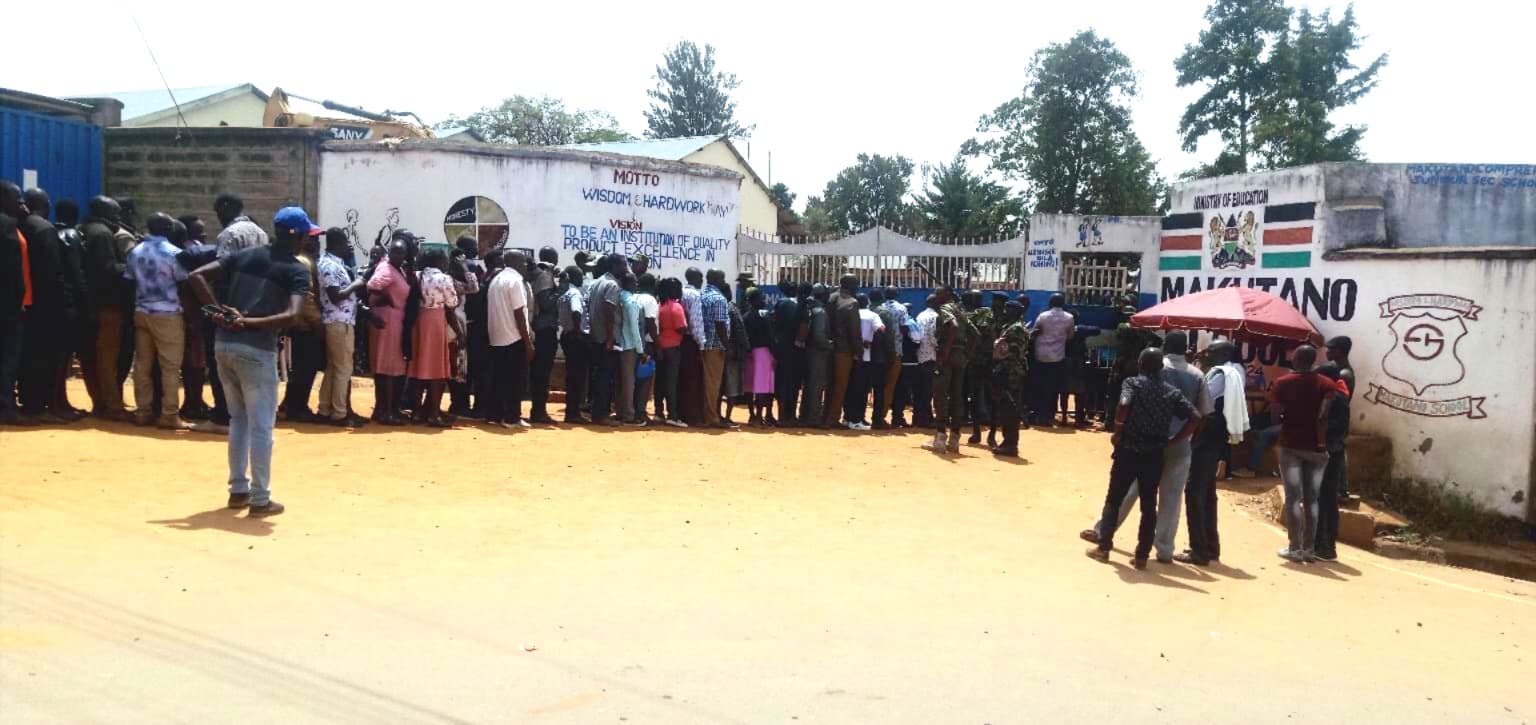
The Kenya National Union of Teachers, (KNUT) West Pokot leadership race has ignited a fire that cannot be ignored. It has become more than a contest for positions; it has become a fight for dignity, for respect, and for the future of the teaching profession in the county. With over 3,400 KNUT members in West Pokot, the power of the teachers is undeniable. This is not a small crowd; it is a force. A force that has been pushed, ignored, and neglected for too long, but now stands ready to demand the leadership it deserves.
Teachers in West Pokot have watched the education system praised in speeches, celebrated in national events, and praised as the backbone of the nation, yet their own welfare remains neglected. They have endured delays in allowances, lack of support, and leadership that often appears distant from the realities of their daily lives. They have seen union leaders come and go, each promising change, only for the promises to vanish the moment the election is over. The teachers’ patience has run dry. Their silence has turned into a roar. The time for action is now.
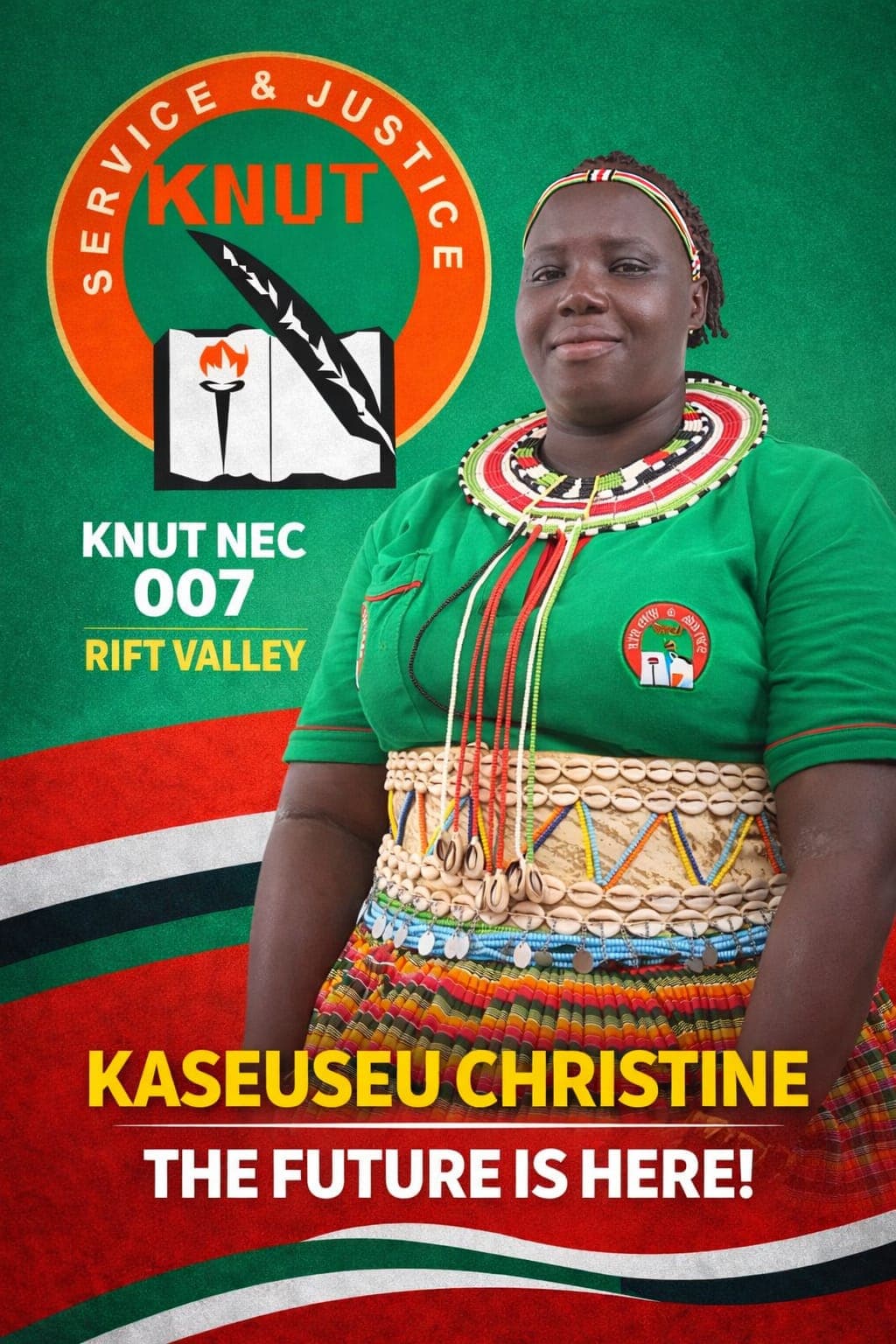
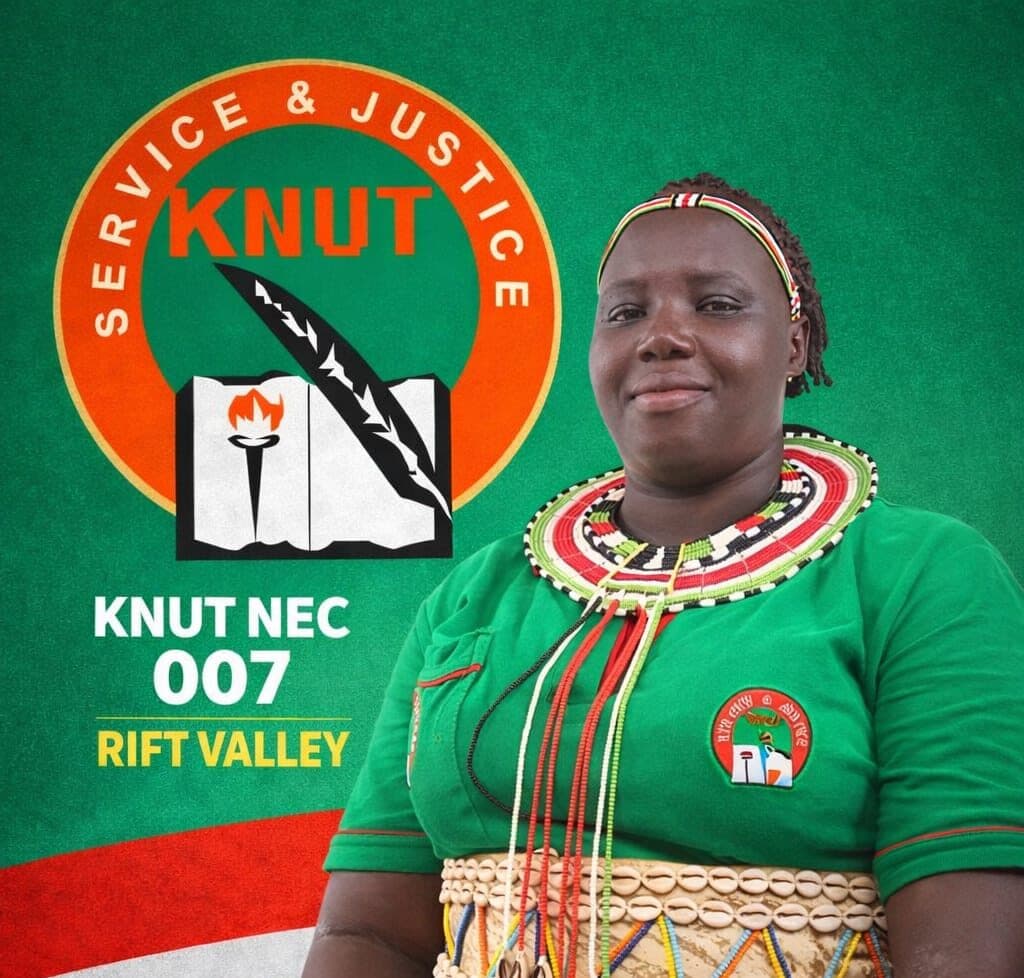
At the heart of this intense and emotional battle is the team led by Martin Sembelo, a group that has risen with a message that resonates deeply with teachers who feel neglected and unheard. This team is built on collective vision and shared responsibility. Sembelo is seeking the position of Executive Secretary, supported by Joseph Rusii as Assistant Executive Secretary and Paul Tokichon as Chairperson. The team also includes Friday Arusho, Veronica Lopeyatum, Christine Kasheusheu, Christine Ibrahim, and Jacob Lotakou—a group that believes their strength lies in unity, integrity, and decisive action.
This team does not shy away from the truth. They speak the language of the teachers, the language of struggle and survival. They understand that the union is not just a structure; it is a lifeline. They believe that leadership must be built on consultation, transparency, and accountability. They insist that teachers deserve leaders who listen, leaders who act, and leaders who are willing to stand up and confront those who have ignored teachers for far too long.
Teachers across West Pokot are not only listening; they are speaking. They have raised concerns that have become the defining issues of this campaign. These issues are not superficial; they cut deep into the heart of what it means to be a teacher in this county.
ALSO READ:
https://educationnews.co.ke/meru-governor-appeals-for-urgent-food-relief-as-drought-affects-learning-activities/
First, teachers demand integration of all tribes into leadership. West Pokot is a county of diverse cultures and tribes, and teachers are demanding a union that reflects this diversity. They want leaders who will bring everyone on board—regardless of tribe or background. They are tired of feeling excluded and overlooked. They want a leadership that is inclusive, fair, and representative of all teachers. The teachers are tired of being told that they are not part of the leadership story because of where they come from. They are tired of the politics of exclusion that has left many teachers feeling like outsiders in their own county.
Second, teachers are demanding reform of Ecopillar Sacco, a crucial financial support system for many educators. For years, teachers have depended on the Sacco to support their families, pay school fees, and manage emergencies. But the system has been plagued by delays, lack of transparency, and unequal access to loans. Teachers are calling for accountability, improved management, and a system that serves everyone fairly. They want a Sacco that is not just a financial institution, but a lifeline that truly supports teachers. They want a Sacco that can be trusted, one that does not favour a few but serves the many. They want an institution that understands that teachers are human beings with responsibilities and needs.
Third, teachers are demanding proper school representatives. This is perhaps the most fundamental demand. Teachers want representatives who are active, accountable, and capable of defending their rights at the grassroots level. They want a union that is built from the school level upwards, not a leadership that is disconnected from the realities of teachers’ lives. They want leaders who understand the classroom, the school environment, and the challenges teachers face every day. They want representatives who can speak for them, who can stand with them, and who can fight for them when the system fails.
These demands are not just words; they are a cry for justice. They are a cry from a profession that has been undervalued for too long. Teachers are demanding dignity, respect, and recognition. They are demanding leadership that will finally deliver real change.
In this charged atmosphere, the team led by Martin Sembelo stands firm. They believe they are best positioned to deliver on these demands. They argue that teachers deserve leadership that listens, consults, and acts. They promise to bring integrity and accountability back into the union. They believe that the union should not be a place for empty speeches but a platform for action and transformation.
However, they are not alone in this fight. Standing against them is Team Liberation, also known as Team Change, a group that has also captured the attention of teachers with a strong message of unity and progress. Led by Joel Partich as Chairman, with Herbert Simiyu Masinde as Vice Chairman, Team Liberation presents itself as a powerful alternative that promises to rebuild the union and strengthen teacher welfare.
ALSO READ:
https://educationnews.co.ke/teacher-chief-killed-in-suspected-al-shabaab-attack-in-garissa/
Team Liberation’s leadership includes Dorcas Cheyech Lotome as Executive Secretary, Tiamale David as Assistant Executive Secretary, Rael Lordia as Treasurer, Lokurusia Kupar (Jairus) as Vice Treasurer, and Irine Motor as Women Representative. Together, they argue that the union’s success depends on strong school representation, unity among teachers, and leadership that can translate promises into action.
Team Liberation has made bold promises. They pledge to improve teacher welfare by establishing a union bus and office, a move they say will strengthen the union’s presence and accessibility. They also promise to establish an additional branch to enhance service delivery, ensuring that teachers across the county receive support without delay. Their message is clear: the union must be visible, accessible, and responsive.
But it is not just about infrastructure. It is about the soul of the union. Team Liberation insists that the future of education in West Pokot depends on leadership that is committed to the welfare of teachers, leadership that will fight for them and protect them. They argue that a strong union is one that can stand in the face of challenges and remain steadfast in its commitment to teachers.
The competition between these two teams has become explosive because teachers are no longer willing to accept empty words. They want action. They want results. They want a union that can deliver real change. They want leaders who will not forget them once the election is over. They want leaders who will be present, accountable, and dedicated to their welfare.
Both teams are making bold claims, but the teachers of West Pokot are watching closely. They want leaders who can deliver on their promises, not just during the campaign period, but after the election is over. They want leaders who will continue to fight for their welfare, even when the spotlight is gone.
ALSO READ:
https://educationnews.co.ke/police-arrest-four-matungulu-boys-students-after-allegedly-burning-school-dormitories/
The issue of tribal integration has become a major point of contention. Teachers are demanding fairness and unity, and they are not willing to be sidelined. They want a leadership team that will bring everyone together, regardless of their tribe. They want a union that is inclusive and representative of the county’s diversity. They want leaders who will not use tribal differences to divide them, but rather unite them for a common cause.
The issue of Ecopillar Sacco is also a major test. Teachers want the Sacco to be managed with transparency and fairness. They want equal access to loans and support, and they want accountability for the way the Sacco is run. For many teachers, the Sacco is a lifeline, and they are demanding that it be treated with the seriousness it deserves. They want leaders who will protect their interests and ensure that the Sacco operates with integrity.
The issue of proper school representatives is perhaps the most fundamental. Teachers want a strong union that is built from the grassroots. They want representatives who are active and accountable, and who can advocate for teachers’ rights effectively. They want leadership that is close to the teachers, understands their challenges, and is willing to fight for them. They want a union that can respond quickly to their needs and ensure that their voices are heard.
As the campaign continues, the two teams are pushing hard to win the support of the teachers. The race is not just about who will win the leadership positions; it is about which team will prove capable of delivering real change. Teachers are demanding leadership that is accountable, transparent, and committed to serving them.
The stakes are high. The emotions are intense. And with over 3,400 KNUT members in West Pokot, the decision will determine the direction of the union and the future of education in the county.
The teachers of West Pokot are ready to choose the leadership that will finally deliver the change they have been waiting for. They are ready to support a team that will fight for their welfare, protect their rights, and ensure that their voices are heard.
This is more than an election. It is a fight for dignity. It is a battle for justice. It is a struggle for the future of education.
The question now is: Which team will rise to the challenge and prove they are truly ready to lead?
By Hillary Muhalya
You can also follow our social media pages on Twitter: Education News KE and Facebook: Education News Newspaper for timely updates.
>>> Click here to stay up-to-date with trending regional stories
>>> Click here to read more informed opinions on the country’s education landscape

Reader Discussion (0)
Sign in to comment