









In many Kenyan schools, it has become a common and worrying practice for learners to report to school well before sunrise, sometimes as early as 5:00 am or even earlier, and to leave late at night. While some may argue that this practice is intended to instil discipline, allow for extra study time, or supervise learners, it violates the Basic Education Regulations, 2015, and seriously compromises learners’ health, safety, and academic performance. It is high time that such extreme practices stop in 2026.
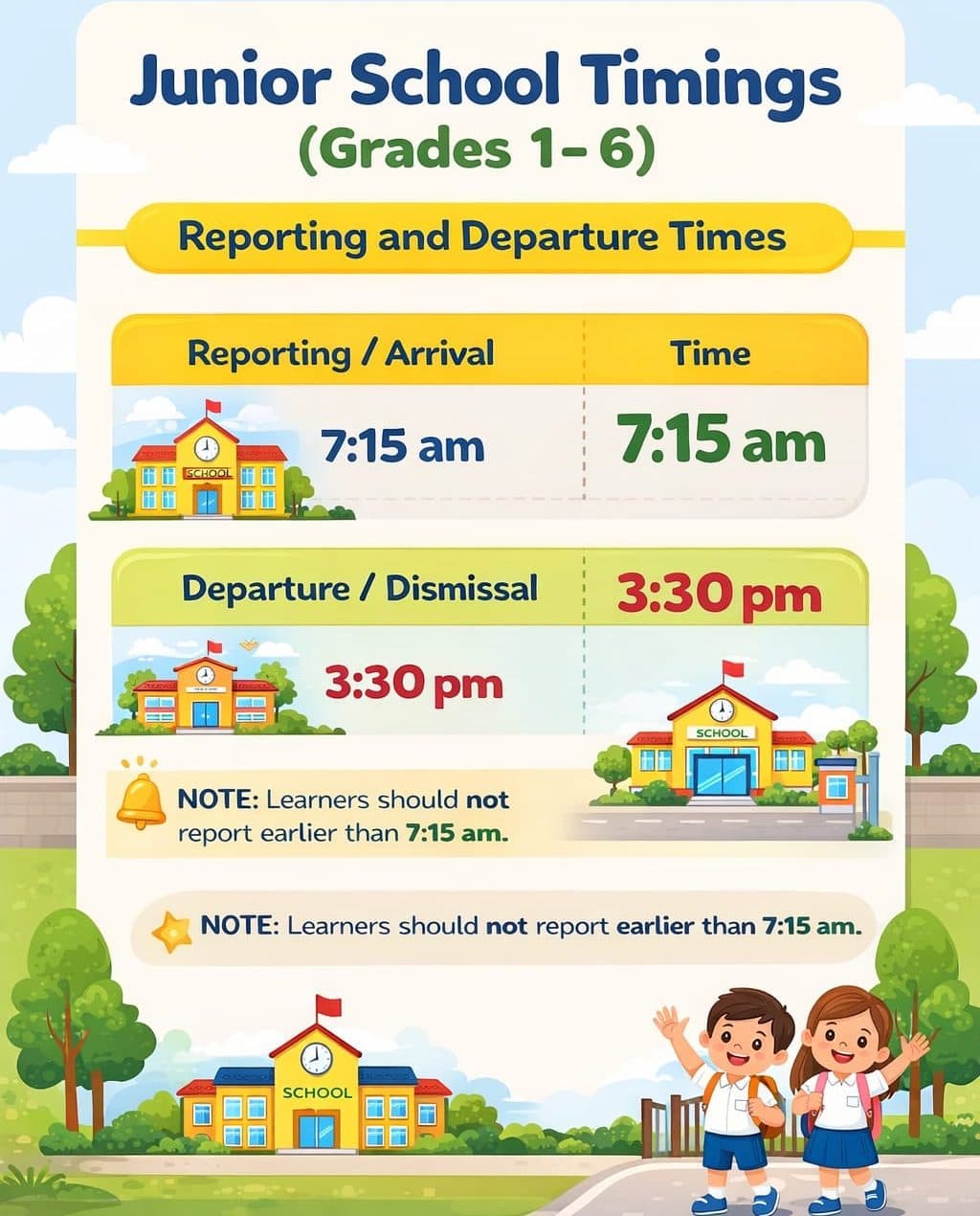
The official school timetable clearly stipulates that day school learners should not report earlier than 7:15 am, and boarding schools have structured routines that balance study, co-curricular activities, rest, and spiritual development. Every hour in the timetable is deliberately planned to provide learners with a healthy balance of academic lessons, co-curricular engagement, preparation time, and rest. Arriving before sunrise and leaving late at night disrupts this balance, creating fatigue, irritability, and reduced concentration-factors that negatively affect academic performance. Studies consistently show that adequate sleep is critical for memory consolidation, problem-solving, attention span, and creativity, all of which are essential for learners to succeed in school.
Beyond academic concerns, early arrivals and late departures compromise safety. Children travelling to school before sunrise face multiple hazards, including road accidents, poor visibility, and exposure to unsafe situations. Similarly, learners leaving late at night risk accidents, crime, and other forms of harm. Schools and parents cannot ignore the very real dangers that learners face when timetables are violated. Safety and well-being must come first, because no academic achievement is worth jeopardizing a child’s life.
Furthermore, prolonged school days can have serious mental and physical health consequences. Overworked and sleep-deprived learners are more prone to stress, anxiety, and poor attention in class. Fatigue can lead to lack of motivation, slower cognitive processing, and a decline in academic performance. Learners who do not have sufficient rest are also more likely to develop negative attitudes toward school, avoid co-curricular participation, or engage in misbehaviour due to irritability. Respecting official school hours is therefore not merely a bureaucratic matter; it is fundamental to nurturing well-rounded, healthy, and capable learners.

Many schools justify early arrivals by citing the need for prep or extra lessons. While preparation and revision are important, these must fit within the officially approved timetable. Overriding regulations and forcing learners to arrive excessively early or stay late is not only illegal but counterproductive. Learners who arrive rested at 7:15 am are able to focus better in class, participate actively in lessons, and retain knowledge more effectively. Likewise, timely departure ensures they have adequate rest, time for meals, family interaction, and sufficient energy to engage in homework and personal development activities.
Parents also have a role to play. Too often, families inadvertently condone the early arrival and late departure culture by allowing children to leave home hours before school begins or failing to advocate for adherence to the official timetable. Parents must work closely with schools to ensure that learners arrive and depart at regulated times, protecting both their well-being and academic performance. Children should not be expected to wake before sunrise to get to school, nor should they be kept beyond the school day unnecessarily. This is a shared responsibility that requires vigilance, advocacy, and awareness.
The issue of timetable violation also affects academic performance and holistic development. Learners who are overworked, sleep-deprived, or chronically fatigued struggle to concentrate, retain information, and participate actively in both academic and co-curricular activities. Physical education, arts, and moral instruction, which are integral parts of the school timetable, are often ignored or rushed when learners are asked to arrive too early or stay too late. The resulting imbalance undermines the development of well-rounded individuals capable of excelling academically, socially, and morally.
Moreover, excessive early reporting and late departures undermine discipline and time management skills. Learners who are forced into excessively long school days often lose the sense of structured study, planning, and personal responsibility. Instead of learning how to manage their time effectively, they rely on imposed schedules, leaving them unprepared for higher education or professional life, where self-regulation is critical. Respecting the official timetable teaches learners discipline, prioritization, and self-management in a safe and structured manner.
The year 2026 presents a clear opportunity for schools to reclaim the integrity of the timetable. Day school learners should arrive no earlier than 7:15 am and depart in the afternoon at the scheduled dismissal time. Boarding schools must ensure that routines for study, co-curricular activities, prep time, and bedtime are strictly observed. Teachers and administrators should resist informal practices that push learners to arrive before sunrise or remain at school late into the evening. These regulations are in place to protect learners’ safety, health, and academic performance.
Stopping early arrivals and late departures has immediate and long-term benefits. Learners who follow regulated school hours are more attentive in class, perform better academically, and are more likely to participate actively in co-curricular and creative activities. They are also less stressed, sleep better, and maintain healthier relationships with peers and family. Respecting school hours demonstrates a commitment to nurturing holistic, well-balanced individuals, rather than focusing solely on academic output at the expense of well-being.
ALSO READ:
https://educationnews.co.ke/grade-10-placement-revision-opting-for-less-popular-c1-schools-increases-approval-chances/
Schools and parents must work together to enforce compliance. Teachers should monitor arrival times, ensure lessons start according to the approved timetable, and discourage extra hours that are not officially sanctioned. Parents should support these efforts by supervising morning routines, ensuring learners leave home at the correct time, and advocating against practices that compromise safety or well-being. By acting collectively, the education system can protect learners while maintaining high academic standards.
Discipline, structure, and academic excellence do not require sacrificing the health, safety, or sleep of learners. Schools that insist on excessively early reporting or late departure are sending the wrong message: that compliance is valued over well-being, and output is more important than holistic growth. 2026 is the year to end this harmful practice. It is a chance to reaffirm that learner safety, rest, and mental health are priorities, alongside academic performance and character formation.
In conclusion, the practice of forcing learners to arrive before sunrise and leave late at night must be abolished. Adherence to the official timetable is not an optional guideline; it is a legal and moral requirement. By ensuring learners follow regulated reporting and dismissal times, schools and parents can safeguard children’s physical and mental health, improve academic performance, and create a learning environment conducive to holistic development. Let 2026 be the year that Kenyan schools restore balance, respect learner wellbeing, and model a timetable that protects, nurtures, and empowers every child.
By Hillary Muhalya
You can also follow our social media pages on Twitter: Education News KE and Facebook: Education News Newspaper for timely updates.
>>> Click here to stay up-to-date with trending regional stories
>>> Click here to read more informed opinions on the country’s education landscape





Reader Discussion (0)
Sign in to comment