






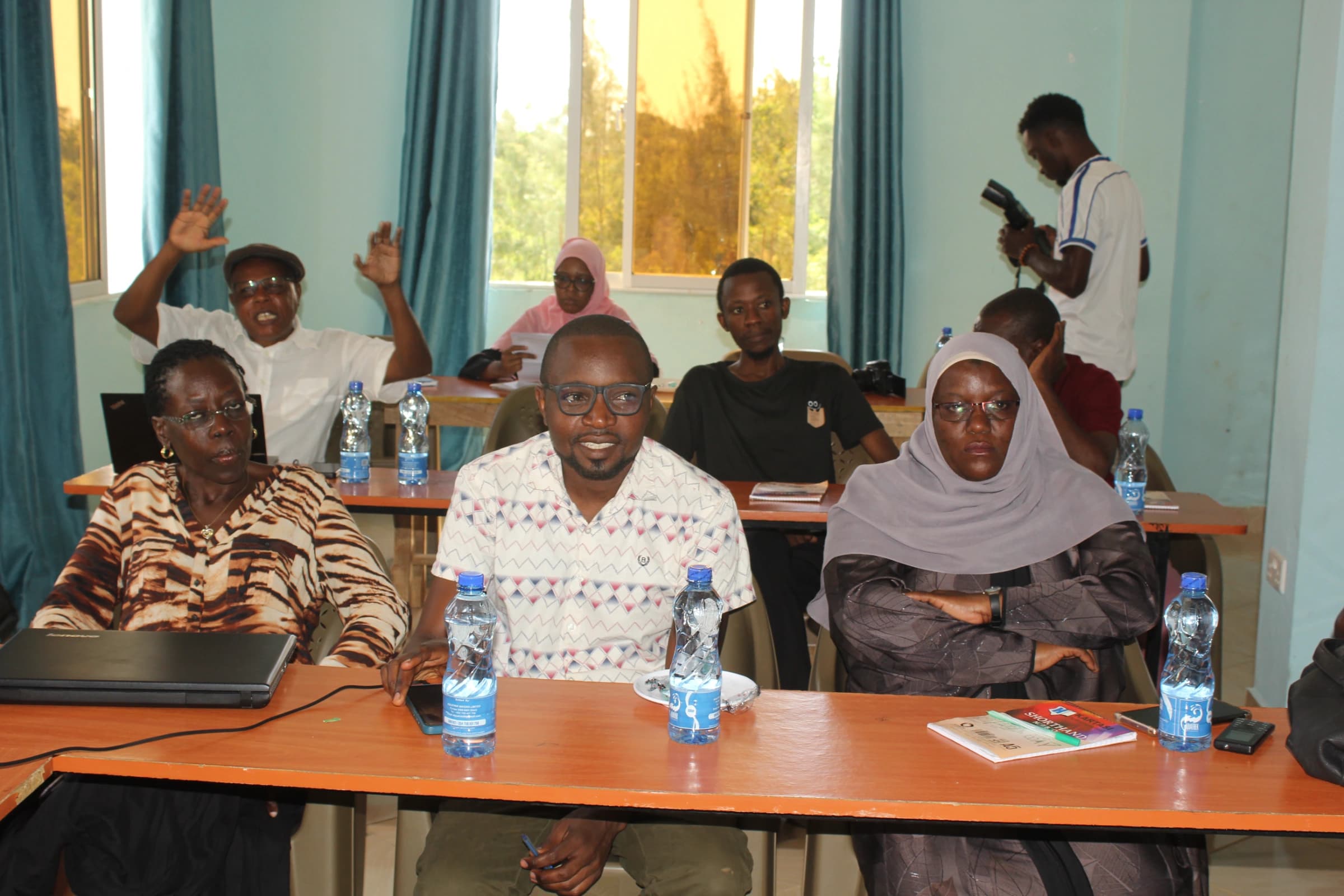



Kenyan universities have begun restructuring their programmes to align with Competency-Based Education (CBE) reforms, as the first cohort of learners under the new system prepares to join institutions of higher learning in 2029.
The Commission for University Education (CUE) is spearheading national consultations to prepare universities for what officials describe as a fundamental shift in curriculum, teaching, and assessment. CUE Chief Executive Prof. Mike Kuria said institutions must urgently confront critical questions about the transition, including how it differs from the current 8-4-4 system, how learners will be assessed and graded, and whether the reforms will affect only content or extend to pedagogy, faculty retraining, and entry-level criteria.
“These questions should be part and parcel of the discussions as we prepare for the first cohort of learners in 2029,” Prof. Kuria told stakeholders as quoted by one of the local dailies.
ALSO READ:
https://educationnews.co.ke/principal-perfect-law-score/
Dr. Moses Ngware, head of education at the African Population and Health Research Center, challenged universities to ensure the reforms address national development needs and industry demands. He cited studies showing that 60 per cent of employers struggle to fill vacancies due to skills mismatch. The World Bank, represented by Roberta Malee Bassett, its Global Lead for Tertiary Education, backed the transition, saying CBE is necessary to equip youth with skills for a rapidly changing global workforce.
“The workforce is changing. Some jobs will not exist in five years. CBE should be able to address that,” Bassett said.
CUE Board Chairman Prof. James Onyango Awino described the transition as a turning point for the education sector, warning that universities must overhaul methodology, course material, and pedagogy to suit CBE learners. He emphasised that practical applications and learner-centred teaching will demand significant investment.
At the curriculum level, Kenya Institute of Curriculum Development (KICD) CEO Prof. Charles Ong’ondo said universities must build on competencies already acquired at senior school. Kenya National Examinations Council (KNEC) CEO Dr. David Njengere urged institutions to rethink the purpose of higher education in light of the reforms.
ALSO READ:
https://educationnews.co.ke/omboko-milemba-warns-enrolling-grade-nine-students-in-village-polytechnics-undermines-100-transition-policy/
Stakeholders acknowledged that implementing CBE at the university level will require substantial resources and could generate debate and resistance.
With just three years, universities face a race against time to realign programmes, retrain faculty, and secure the tools needed for the next phase of Kenya’s education reform.
By Masaki Enock
You can also follow our social media pages on Twitter: Education News KE and Facebook: Education News Newspaper for timely updates.
>>> Click here to stay up-to-date with trending regional stories
>>> Click here to read more informed opinions on the country’s education landscape



Reader Discussion (0)
Sign in to comment