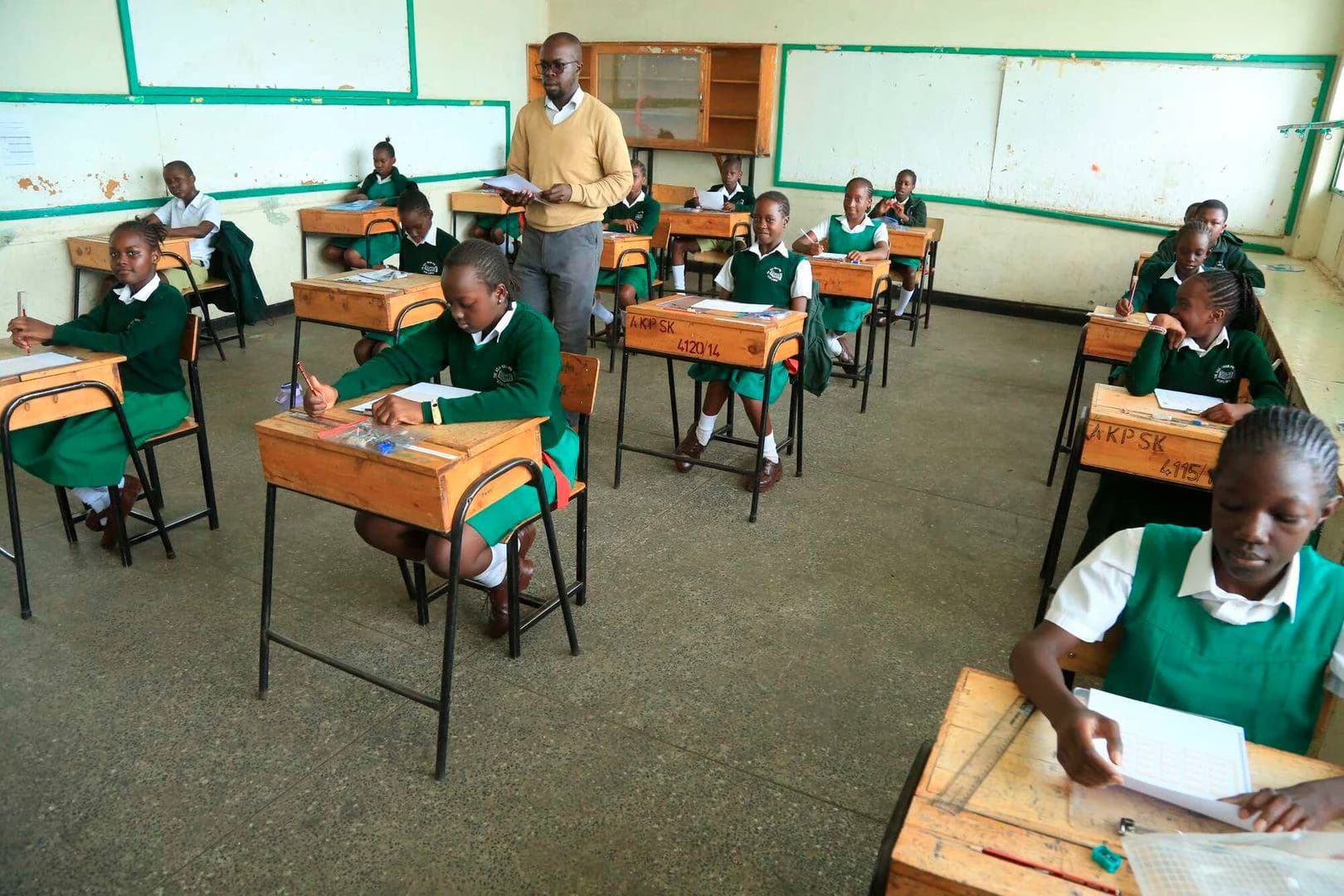

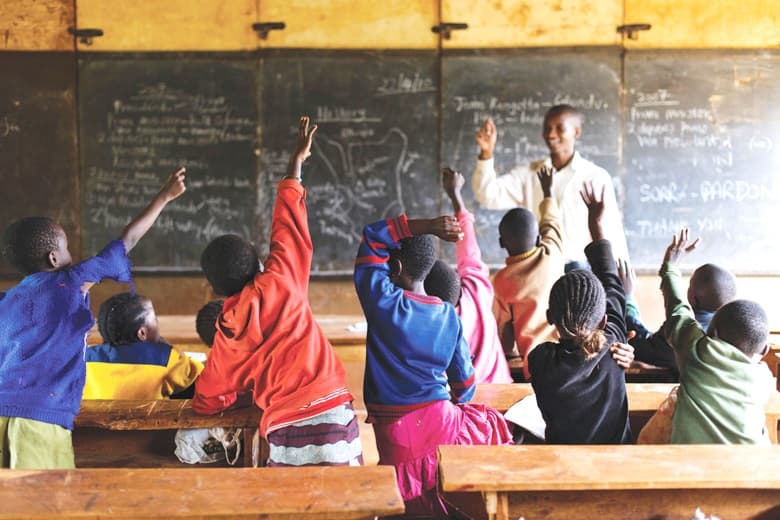
As the world commemorates International Mother Language Day, the United Nations has sounded alarm over the state of multilingual education, revealing that 40 percent of learners globally still lack access to schooling in a language they understand best. Indigenous, migrant, and minority youth remain the most affected.
UNESCO stressed that multilingual education is not only a tool for inclusion but also a safeguard for non-dominant, minority, and indigenous languages.
“It is a cornerstone for achieving equitable access to education and lifelong learning opportunities for all individuals,” the organisation said.
ALSO READ:
https://educationnews.co.ke/govt-must-rethink-categorisation-of-senior-schools-to-stop-discrimination-breeding/
This year’s theme, “Youth voices on multilingual education”, underscores the role of young people in shaping the future of language learning. The focus stems from a rapidly changing linguistic landscape, influenced by migration, technological advances, and growing recognition of the cognitive, social, and economic benefits of multilingualism.
UNESCO is urging governments to invest in language transmission by placing youth at the centre of solutions. The agency noted that linguistic diversity is a pillar of peace, dignity, and inclusion, insisting that no voice should be excluded from humanity’s collective story.
“Today, multilingualism is increasingly understood not only as a social reality but as a fundamental human characteristic and a powerful educational approach,” UNESCO added. Young people, it said, are revitalising languages, creating digital content, and harnessing technology to make linguistic diversity more visible and valued.
Globally, UNESCO estimates there are 8,324 spoken or signed languages, with around 7,000 still in use. Yet only a few hundred have been integrated into education systems and public life, and fewer than 100 are represented in the digital space.
ALSO READ:
https://educationnews.co.ke/construction-of-bomet-high-school-gains-momentum-as-mp-hails-progress/
The organisation warned that every two weeks a language disappears, erasing cultural and intellectual heritage. “Multilingual and multicultural societies exist through their languages, which transmit and preserve traditional knowledge and cultures sustainably,” UNESCO observed.
However, the UN highlighted growing awareness of the vital role languages play in development. They are central to cultural diversity, intercultural dialogue, and quality education, while also strengthening cooperation, preserving heritage, and mobilising political will to apply science and technology for sustainable growth.
By Masaki Enock
You can also follow our social media pages on Twitter: Education News KE and Facebook: Education News Newspaper for timely updates.
>>> Click here to stay up-to-date with trending regional stories
>>> Click here to read more informed opinions on the country’s education landscape
>>> Click here to stay ahead with the latest national news.

Reader Discussion (0)
Sign in to comment