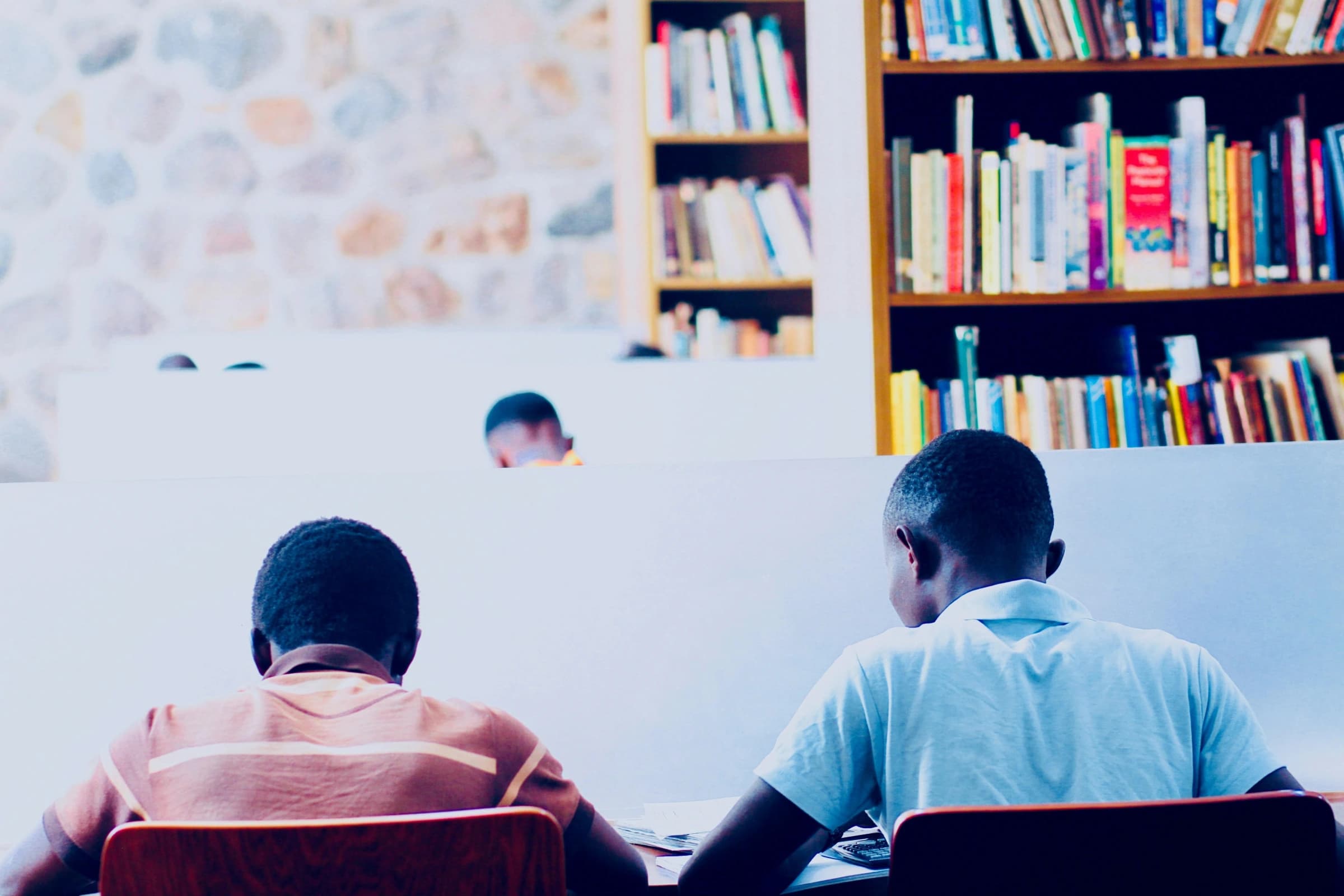



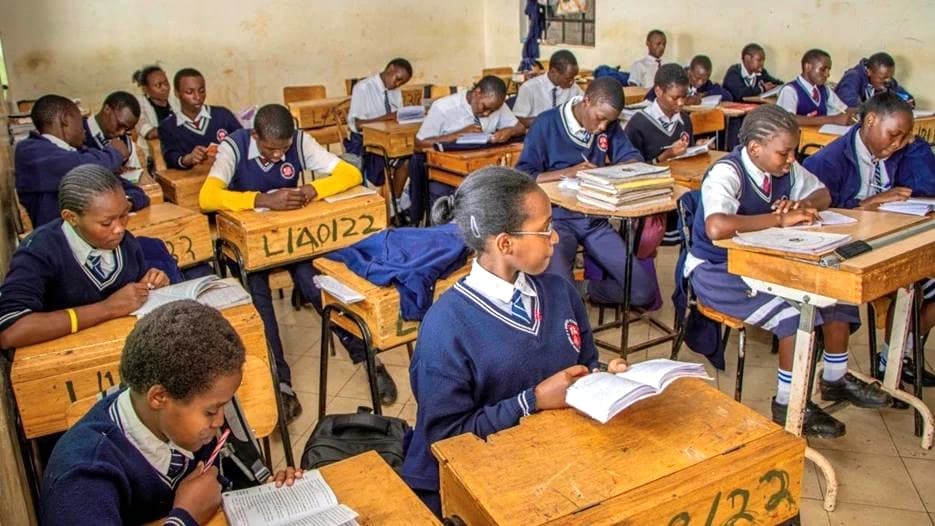

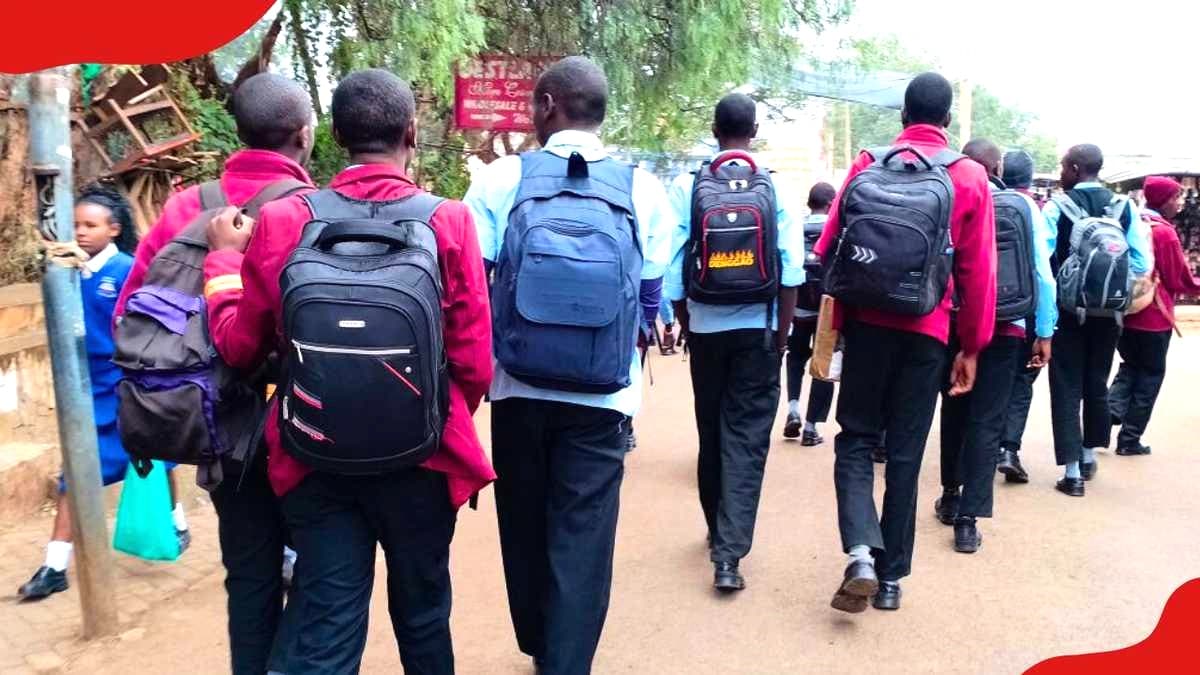
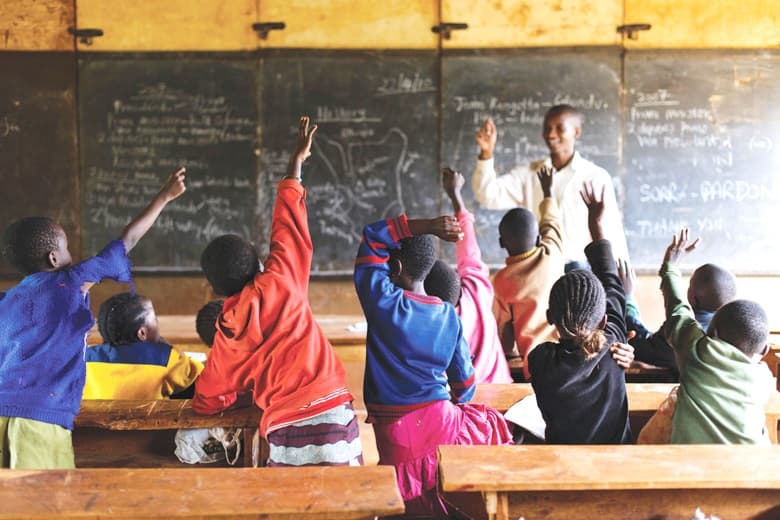
A new United Nations Educational, Scientific and Cultural Organization (UNESCO) Global Education Monitoring (GEM) Report has revealed that approximately 273 million children and young people worldwide, about one in six of school-age children, are currently out of school in 2026.
The figure marks the seventh consecutive year of rising numbers, underscoring a worsening global education crisis.
The report shows that progress in keeping children in classrooms has slowed across nearly every region since 2015, with population growth, shrinking education budgets, and ongoing crises piling pressure on education systems. Sub-Saharan Africa has been hit hardest, as the number of children continues to grow faster than schools can accommodate.
Conflict has also played a major role in disrupting learning. More than 45 million children live in areas affected by conflict, leaving millions without access to classrooms. In the Middle East, regional tensions have forced many schools to close, further undermining children’s ability to keep up with their studies.
ALSO READ:
https://educationnews.co.ke/oyuu-gains-as-cotus-atwoli-backs/
Even in countries that provide free education, families face additional barriers. School grants and meal programs that support disadvantaged children are increasingly at risk as donor funding declines.
Parents are still required to cover costs such as transportation, after-school care, and meals, expenses that keep many children away from school.
“This report confirms an alarming trend, with more and more young people deprived of education around the world each year,” said UNESCO Director General Khaled El-Enany.
Despite the scale of the problem, the report notes that global enrolment has grown significantly since 2000. Primary and secondary enrolment has increased by 30 per cent, adding more than 327 million students. Pre-primary enrolment has risen by 45 per cent, while post-secondary enrolment has surged by 161 per cent. Completion rates have also improved, with 88 per cent of children finishing primary school, 78 per cent completing lower secondary, and 61 per cent reaching upper secondary.
UNESCO stresses that there is no single solution to educational exclusion, but a combination of strategies can make a difference. These include compulsory schooling, stronger child labour laws, provision of electricity in schools, school meal programs, and cash transfers tied to attendance.
Evidence shows that cash payments can make children 36 per cent more likely to enrol, while electricity in schools can add nearly a full year of learning in some countries.
ALSO READ:
https://educationnews.co.ke/oyuu-secures-backing-from-eight-regions-ahead-of-knut-polls/
The GEM report calls for urgent action to safeguard education as a fundamental right, warning that without sustained investment, millions more children risk being left behind.
By Masaki Enock
You can also follow our social media pages on Twitter: Education News KE and Facebook: Education News Newspaper for timely updates.
>>> Click here to stay up-to-date with trending regional stories
>>> Click here to read more informed opinions on the country’s education landscape




Reader Discussion (0)
Sign in to comment