









I teach in a Catholic-sponsored secondary school, and as they say, when you go to Rome, do as the Romans. I am a protestant by faith, but duty demands that, being in a Catholic-sponsored school, I take part in the Catholic Mass. I enjoy the Mass particularly because our parish priest is very pragmatic. Having said that, I am looking forward to celebrating Ash Wednesday mass mid-week. What is the spiritual significance of Ash Wednesday? Is it a Catholic ritual? Let’s delve into it together.
Ash Wednesday marks the beginning of the season of Lent in the Catholic Church and holds deep spiritual meaning for the faithful. In 2026, Ash Wednesday falls on 18th February. The date changes every year because it is determined by Easter, which is movable. From this day, Catholics begin the forty-day spiritual journey toward Easter Sunday.
Ash Wednesday is not merely a ritual of ashes on the forehead; it is a solemn call to reflection, repentance, and renewal.
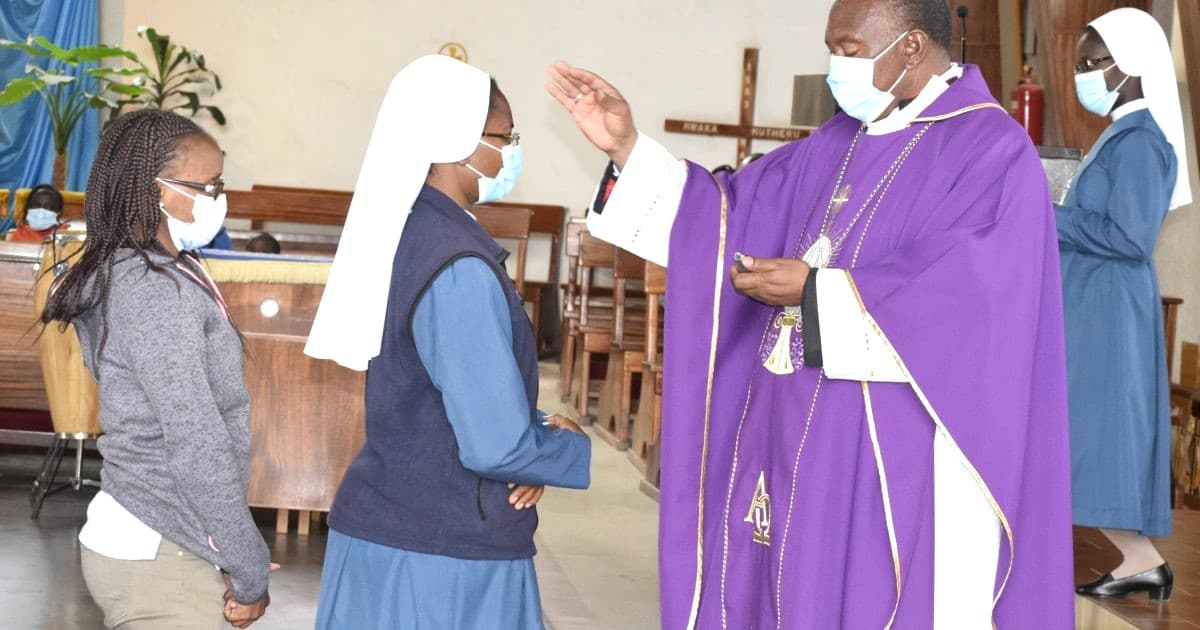
First, it is a powerful reminder of human mortality. When the priest traces ashes on the forehead in the sign of the cross, he says, “Remember that you are dust, and to dust you shall return,” echoing Genesis 3:19. This phrase confronts believers with the reality of life’s fragility. In a world obsessed with power, beauty and achievement, the ashes whisper a humbling truth: life is temporary. For Catholics, this is not meant to instil fear, but perspective – to prioritise eternal values over fleeting pursuits.
Secondly, Ash Wednesday is a call to repentance. The alternative words spoken during the imposition of ashes are, “Repent, and believe in the Gospel,” drawn from the Gospel of Mark 1:15. Repentance in Catholic teaching is not simply regret; it is conversion of heart – turning away from sin and turning back to God. The ashes symbolise sorrow for sin and the desire for spiritual cleansing. They are an outward sign of an inner disposition.
Thirdly, Ash Wednesday inaugurates Lent – forty days of prayer, fasting and almsgiving in preparation for Easter. The forty days mirror Jesus’ forty days of fasting in the desert before beginning His public ministry. For Catholics, this season is a spiritual journey that culminates in the celebration of the Resurrection at Easter. Ash Wednesday, therefore, is the doorway to renewal. It sets the tone for self-examination and disciplined growth.
Fasting and abstinence are central practices on this day. Catholics aged 18 to 59 are required to fast (one full meal and two smaller meals that together do not equal a full meal), and those 14 and older abstain from meat. These practices are not about punishment of the body but about training the will. By voluntarily denying themselves, the faithful learn detachment, self-control, and solidarity with the poor. Hunger becomes a prayer; sacrifice becomes an offering.
READ ALSO:
https://educationnews.co.ke/shock-as-a-man-in-kisii-kills-his-grade-1-child-goes-into-hiding/
The ashes themselves carry biblical symbolism. In Scripture, ashes signify mourning, repentance, and humility. Figures in the Old Testament sat in sackcloth and ashes to express sorrow and contrition. By receiving ashes, Catholics identify with this ancient tradition of penitence. The visible cross on the forehead also publicly witnesses one’s faith. It is one of the few times many Catholics openly display a religious symbol outside the church walls, making Ash Wednesday both personal and communal.
Importantly, Ash Wednesday is not a Holy Day of Obligation, yet it often draws large congregations. This paradox reveals its emotional and spiritual weight. Even those who may not attend Mass regularly are moved to receive ashes. The ritual touches something deeply human – the need for renewal, forgiveness and hope.
Spiritually, Ash Wednesday challenges complacency. It asks the faithful: What needs to change? What attachments hold you back? Where is God in your daily life? It invites silence in a noisy world and reflection in a hurried culture.
Ultimately, the significance of Ash Wednesday lies in hope. Though it begins with ashes – a symbol of death – it leads toward Easter, a celebration of life. The journey from ashes to alleluia reflects the Christian story itself: from sin to redemption, from suffering to resurrection.
For Catholic faithful, Ash Wednesday is therefore not just the start of Lent on 18th February 2026. It is a sacred interruption – a moment when heaven gently reminds humanity of its origins, its frailty, and its destiny in God.
By Ashford Kimani
Ashford teaches English and Literature in Gatundu North Sub-county and serves as Dean of Studies.
You can also follow our social media pages on Twitter: Education News KE and Facebook: Education News Newspaper for timely updates.
>>> Click here to stay up-to-date with trending regional stories
>>> Click here to read more informed opinions on the country’s education landscape
>>> Click here to stay ahead with the latest national news.




Reader Discussion (0)
Sign in to comment