






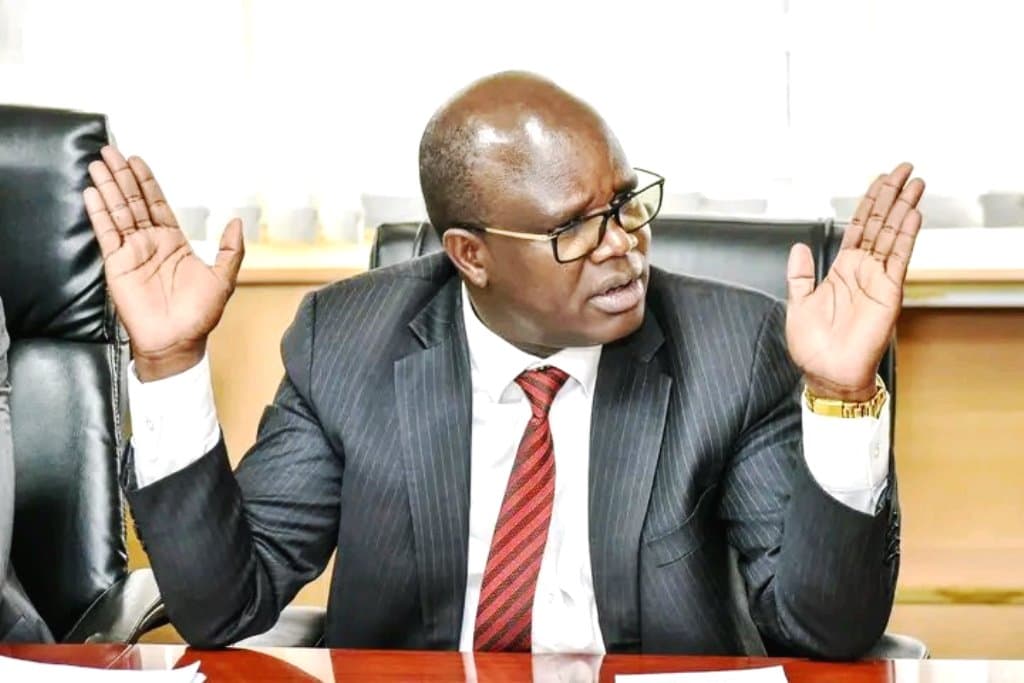
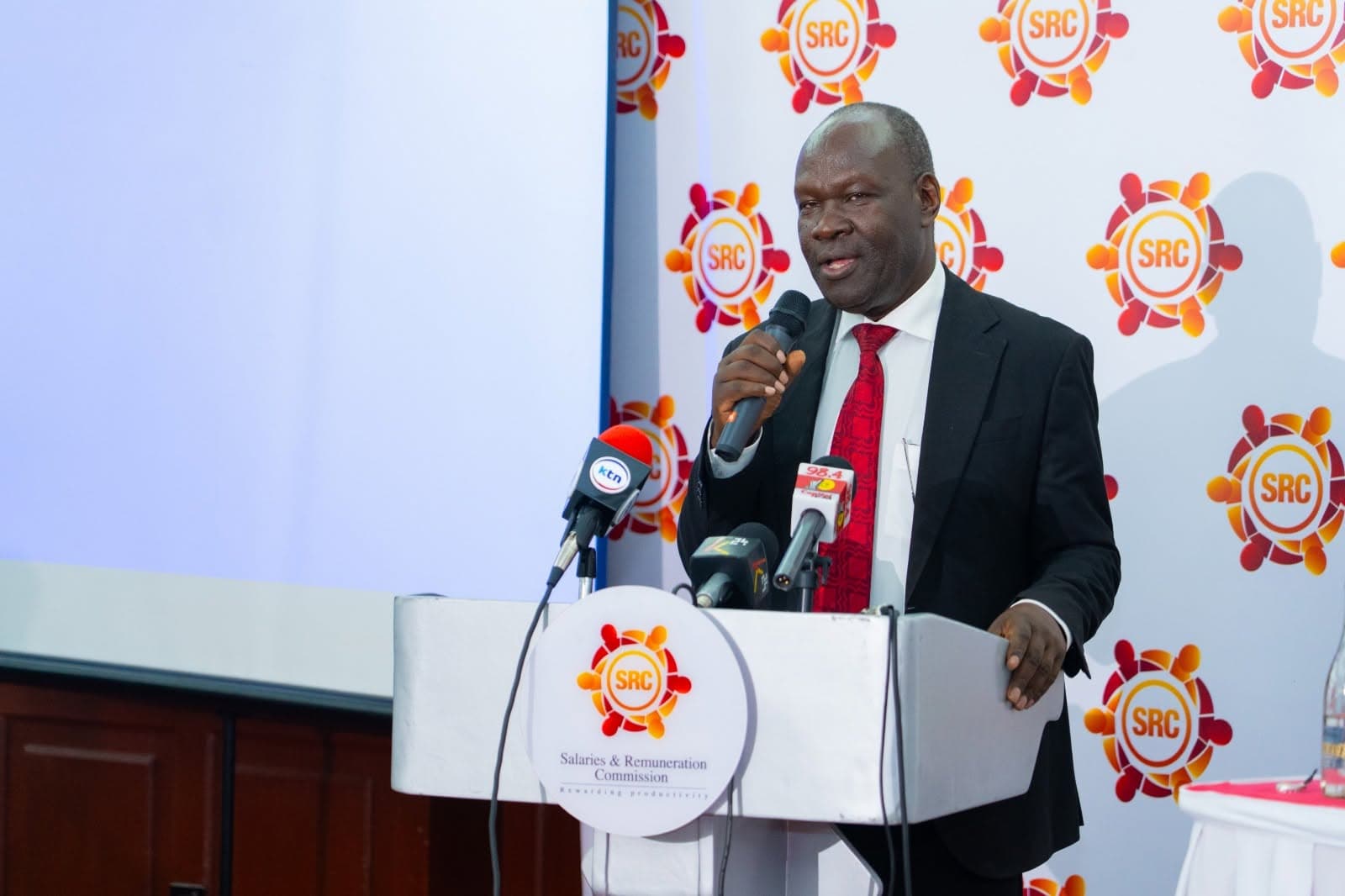
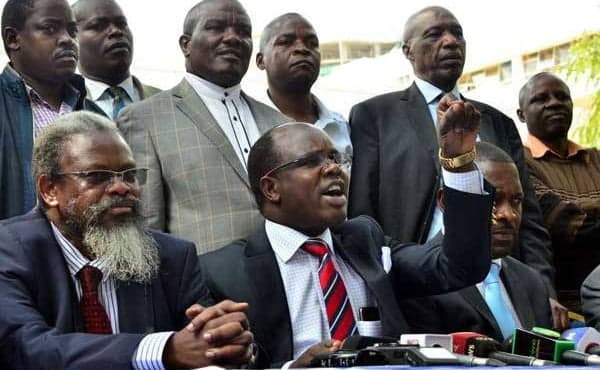
The Universities’ Academic Staff Union (UASU), led by Secretary General Dr. Constantine Wasonga, has raised strong concerns over what it describes as the overreach of the Salaries and Remuneration Commission (SRC). The Union says the Commission’s actions are weakening the constitutional right to meaningful collective bargaining in public universities.
In a memorandum to the International Monetary Fund (IMF) Wage Bill Mission, UASU argues that fiscal management should not come at the expense of labour rights. The Union says the SRC has shifted from its advisory mandate to acting as a final decision-maker in wage negotiations.
UASU notes that under Article 230 of the Constitution the SRC is expected to offer advisory guidance. Instead the Union accuses the Commission of issuing non‑negotiable directives that limit genuine engagement. It cites a de facto veto power where any agreed financial terms with the employer must receive SRC approval.
The Union also points to unilateral decisions such as freezing salary reviews and cancelling the second phase of a registered Collective Bargaining Agreement (CBA) for the 2021–2023 period. It argues these steps were taken without consultation and undermine the negotiation process.
UASU further highlights delays introduced by the Commission. It faults the shift from a one‑ or two‑year CBA cycle to four years, arguing this reduces how often staff can seek adjustments to match inflation and rising living costs.
It adds that delays in issuing negotiating parameters often push CBAs past their effective dates. This forces the government to pay salary arrears in bulk, creating unplanned pressure on the wage bill.
ALSO READ:
https://educationnews.co.ke/10-reasons-finland-has-the-best-education-system-in-the-world/
The Union also questions the credibility of the Commission’s advisory beacons. It says they rely on arbitrary limits such as a 35 percent wage‑bill‑to‑revenue ratio rather than a scientific assessment of academic staffing needs. The Union notes that the methodology behind the “Productivity Index” is not disclosed.
UASU is now appealing to the IMF to support reforms that will restore a functional bargaining system. It recommends that the SRC be confined to an advisory role and that the CBA cycle be returned to two years.
The Union also wants strict timelines so that negotiations are concluded and budgeted for before their implementation dates. UASU says these steps are necessary to protect labour rights and retain skilled academic staff in public universities.
By Benedict Aoya
You can also follow our social media pages on Twitter: Education News KE and Facebook: Education News Newspaper for timely updates.
>>> Click here to stay up-to-date with trending regional stories
>>> Click here to read more informed opinions on the country’s education landscape

Reader Discussion (0)
Sign in to comment