

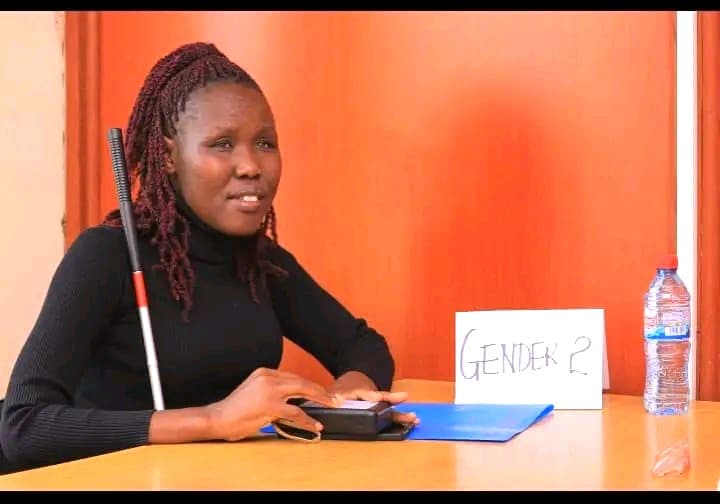
In a moment that will be remembered as both historic and deeply symbolic, Elizabeth Lokooli Limit, a teacher living with visual disability from Turkana County, has been elected Gender Representative in the Kisii Branch of the Kenya Union of Post-Primary Education Teachers (KUPPET). Her victory is not merely a personal triumph; it is a bold statement about inclusion, merit, and the quiet dismantling of tribal and social barriers within Kenya’s education sector.
Currently serving at Nyabururu Girls National School near Kisii Town, Elizabeth has built a reputation for diligence, discipline, and unwavering commitment to her students. Yet behind this professional excellence lies a life story defined by resilience.
Born and raised in northern Kenya in a modest family background, Elizabeth grew up navigating multiple layers of marginalisation—gender bias, economic hardship, and the structural limitations often imposed on persons with disabilities. In many communities, the education of girls still competes with entrenched cultural expectations. For girls living with disabilities, the obstacles are often doubled. But Elizabeth refused to let circumstance dictate destiny.
From an early age, she distinguished herself academically. Against significant odds, she progressed through primary and secondary school, eventually earning admission to university. That milestone was not simply academic advancement; it was a turning point that affirmed her belief that ability is not defined by sight, but by vision.
READ ALSO:
https://educationnews.co.ke/student-leaders-annual-conference-underscores-the-critical-role-of-prefects-in-schools/
Her election to the KUPPET–Kisii Gender seat carries profound meaning. Traditionally, union leadership spaces—especially in regions where ethnic identity subtly influences political dynamics—are rarely occupied by individuals perceived as “outsiders.” Elizabeth’s victory, therefore, speaks to a maturing democratic culture within the teaching fraternity: one that increasingly values competence over ethnicity, service over origin, and integrity over stereotypes.
For educators across the country, her story reinforces a powerful lesson: representation matters. For persons with disabilities (PWDs), it sends an unmistakable message that leadership is not a privilege reserved for the physically able. It is a calling anchored in courage, preparation, and persistence.
Equally important is the anti-tribalism undertone of this achievement. At a time when public discourse in Kenya often gravitates toward ethnic arithmetic, Elizabeth’s election demonstrates that professional spaces can rise above parochial considerations.
Teachers in Kisii did not vote for a tribe; they voted for capacity. They did not elect disability; they elected leadership.
As I reflect on this milestone, I see more than an electoral outcome. I see classrooms where learners with disabilities will now believe more boldly in their potential.
I see union corridors becoming more inclusive. I see a profession gradually redefining strength—not as physical perfection, but as moral and intellectual fortitude.
Elizabeth Lokooli Limit’s journey reminds us that the most powerful vision is not in the eyes, but in the mind. And when a community chooses inclusion over exclusion, it does more than elect a leader—it rewrites its own narrative.
Her story stands as an inspiration to PWDs across Kenya and beyond: your circumstances are real, but they are not final.
Leadership is possible. Excellence is attainable. And barriers, however historic, can fall.
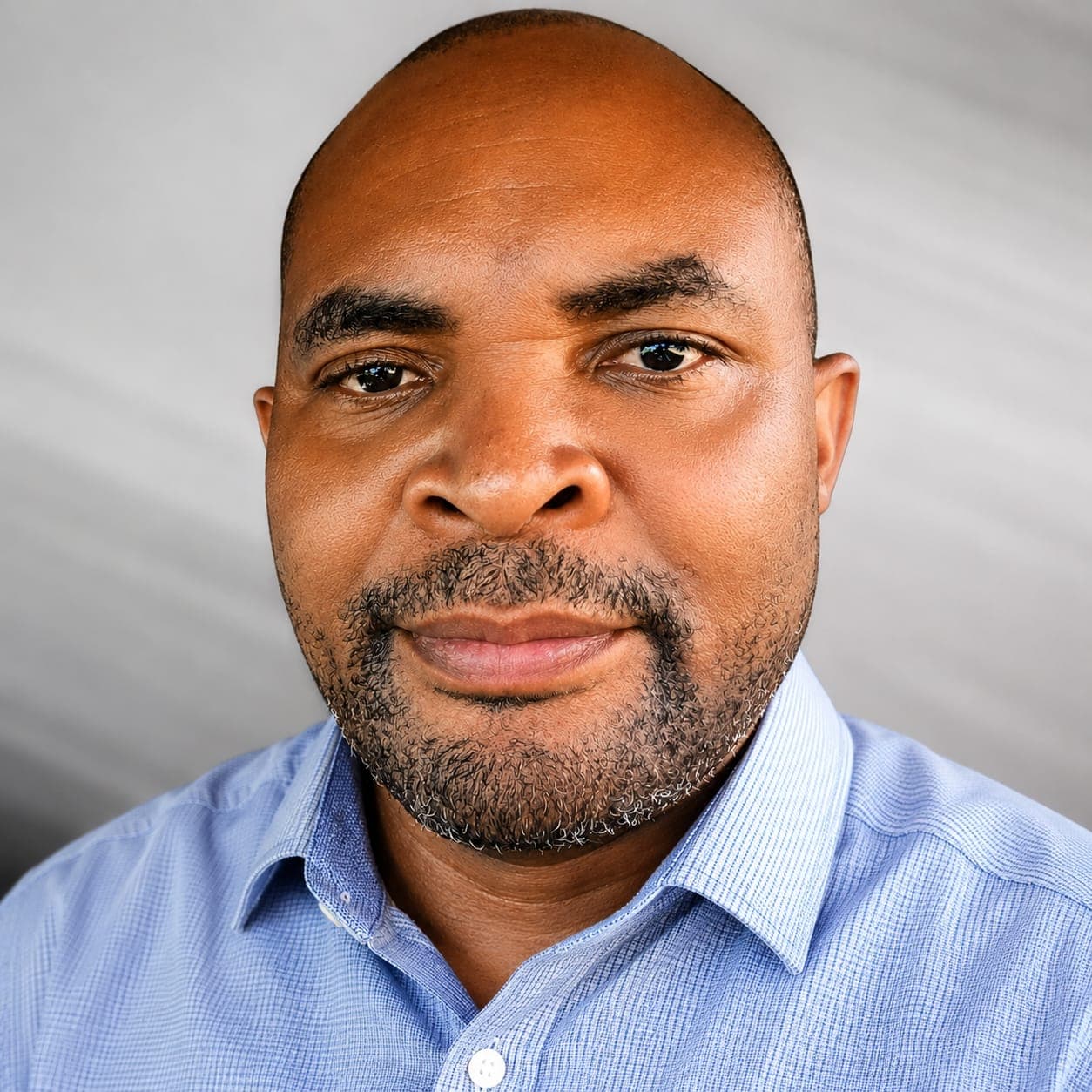
By Wesley Chelule
You can also follow our social media pages on Twitter: Education News KE and Facebook: Education News Newspaper for timely updates.
>>> Click here to stay up-to-date with trending regional stories
>>> Click here to read more informed opinions on the country’s education landscape


Reader Discussion (0)
Sign in to comment