





In a decisive policy shift that could fundamentally reshape the management of teachers and redefine career progression in Kenya, the Teachers Service Commission (TSC) has formally recognised three distinct levels of basic education: primary school, junior school, and senior school.
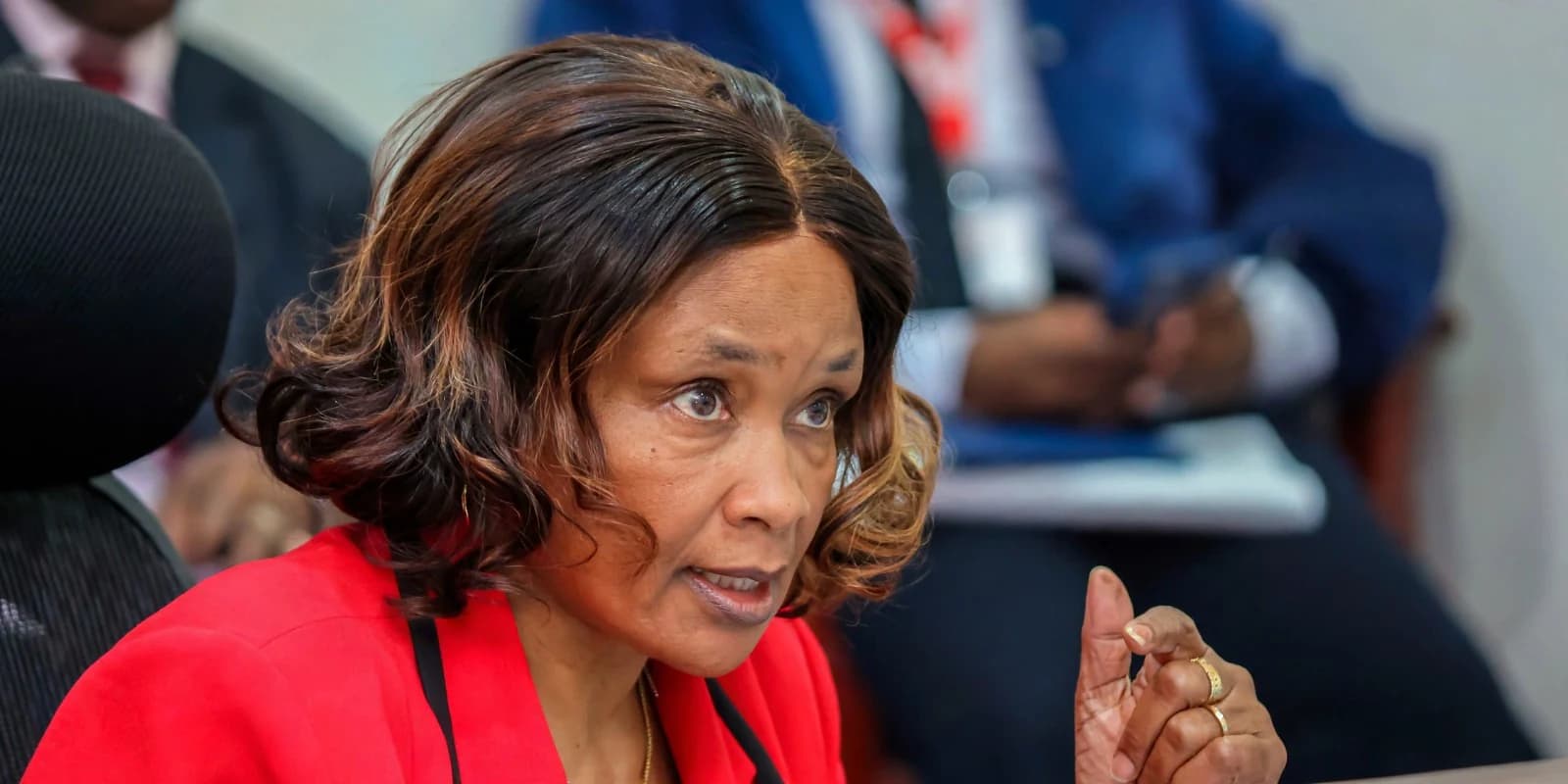
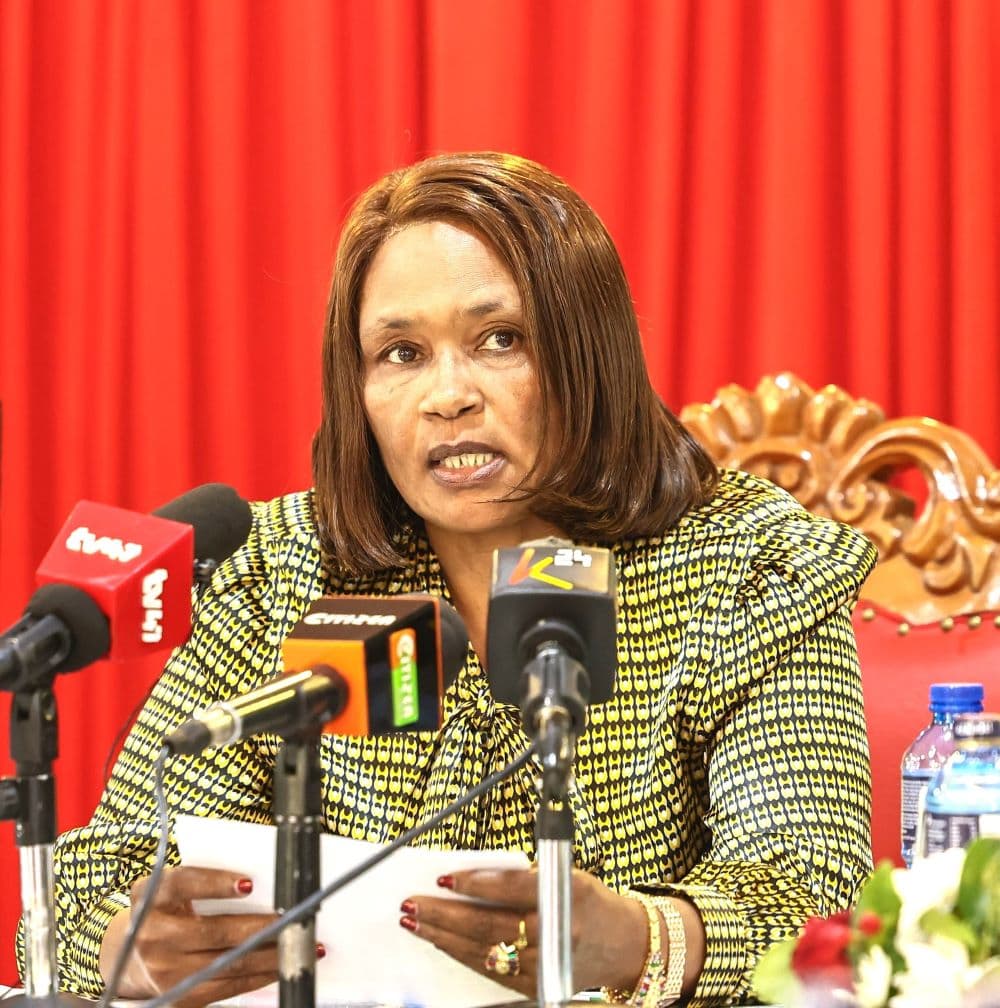
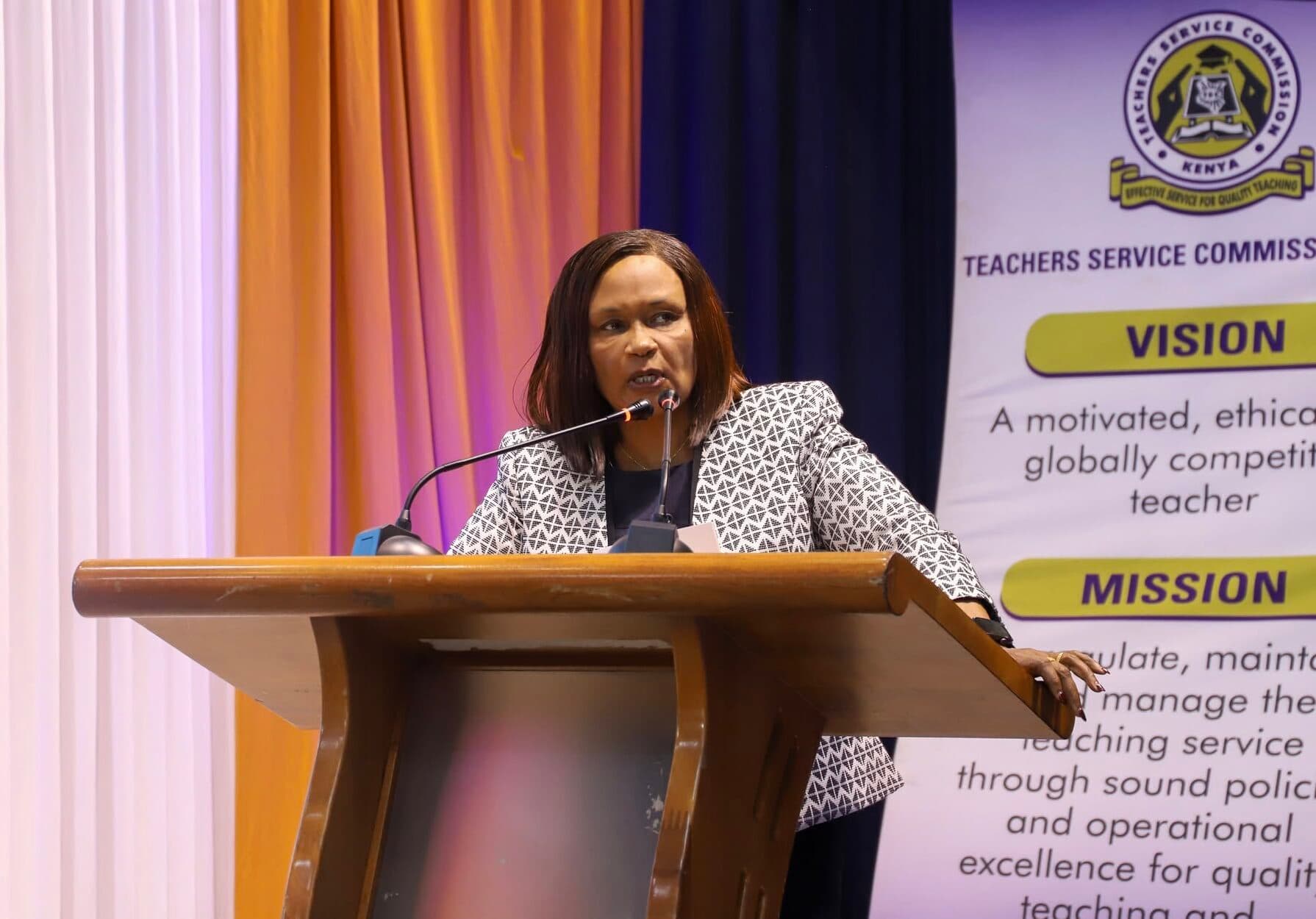
The announcement, delivered at the commission’s headquarters in Nairobi by the Commission Acting Chief Executive Officer and Secretary Evaleen Mitei, marks a clear turning point in how teachers will be hired, deployed, promoted, and retained within the country’s evolving education system.
What may initially appear as an administrative adjustment is in reality, a structural realignment with far-reaching implications. For years, teacher deployment across different levels of schooling often depended on staffing pressures, transitional reforms, or shifting policy interpretations. The introduction of the Competency-Based Education (CBE) system disrupted traditional education cycles, particularly with the creation of junior school as a bridge between primary and senior secondary education.
That transition triggered uncertainty and debate regarding teacher placement, promotional pathways, and professional identity. By formally delineating primary, junior, and senior schools as separate operational levels, TSC has now established a definitive framework designed to eliminate ambiguity and entrench professional order.
Under the new system, teachers will be recruited and promoted strictly within one of the three recognised levels. Movement from one level to another will no longer occur casually or administratively. Instead, it will be anchored firmly on qualifications and professional standards. Mitei made it clear that deployment from a lower level to a higher one will only occur when a teacher attains the required academic and professional credentials. In essence, experience alone will no longer be sufficient; upward mobility will now demand structured academic progression and formal compliance with set standards.
ALSO READ:
https://educationnews.co.ke/ksh111-billion-budget-gap-threatens-free-education-programmes-ps-bitok-warns/
This qualification-driven model introduces a deliberate and merit-based pathway for advancement. A primary school teacher aspiring to serve in junior school must first acquire the relevant subject specialisation and certification required for that level. Similarly, a junior school teacher seeking placement in senior school must satisfy the standards governing senior secondary education. The era when redeployment could occur merely to plug staffing gaps appears to be fading. In its place emerges a system that treats each level as a specialised domain requiring targeted expertise.
Equally consequential is the commission’s assurance that no teacher will be redeployed to a lower level under the new framework. This clarification is likely to ease widespread anxiety among educators who feared downward reassignment during restructuring. By ruling out reverse redeployment, TSC reinforces professional dignity and safeguards career stability. A teacher serving in senior school will not be returned to junior or primary levels, and a junior school teacher will not be reverted to primary once properly appointed. This guarantee protects professional identity and prevents perceptions of demotion that could erode morale.
The reforms extend beyond classroom teaching to administrative leadership. Promotions to administrative positions will now be reserved for teachers serving within their respective levels. Primary school administrators will rise from the primary cadre, junior school leaders from junior school teachers, and senior school heads from the senior school pool.
This level-specific leadership model acknowledges that each educational stage demands unique expertise. Foundational literacy and numeracy development in primary school requires a deep understanding of early childhood pedagogy. Junior school leadership involves navigating early adolescence, subject-based instruction, and transitional curriculum demands. Senior school administration requires mastery of advanced subject coordination, assessment frameworks, and preparation for national examinations and post-secondary pathways. By aligning leadership with service level, the commission is reinforcing contextual competence.
The broader significance of this decision lies in its alignment with Kenya’s ongoing curriculum transformation. The CBE system restructured learning stages and emphasised competency development, skills acquisition, and learner-centred pedagogy. For such a system to succeed, teacher management systems must mirror its architecture. Recognising three distinct levels ensures that personnel policy supports curriculum design rather than operating independently of it. The commission is effectively synchronising human resource management with educational reform.
ALSO READ:
https://educationnews.co.ke/mps-demand-crackdown-on-illegal-school-levies-as-moe-promises-action/
For teachers, the new structure presents both opportunity and obligation. On the positive side, career pathways are now clearer. Teachers belong to defined professional tracks with structured promotional ladders. Junior school teachers, in particular, gain a strengthened professional identity within a recognised level.
At the same time, the emphasis on qualifications raises expectations. Teachers aspiring to move upward must invest in further study, professional development, and academic enhancement. The policy thus encourages lifelong learning within the profession and signals that advancement will reward preparation and competence.
However, implementation will determine the reform’s success. The commission must clearly articulate qualification requirements for each level, ensure equitable access to upgrading programmes across counties, and maintain transparency in promotional processes. Teachers in remote areas must not be disadvantaged by limited access to training institutions.
Financial barriers to further study must be addressed to prevent the system from inadvertently favouring those with greater economic means. Fairness, consistency, and communication will therefore be critical pillars of the transition.
The recognition of junior school as a distinct level also brings much-needed stability to a segment that has been the subject of intense debate. Questions about whether junior school should be domiciled within primary or secondary institutions created confusion in its early implementation. By formally embedding it within the three-tier framework, TSC strengthens its institutional legitimacy and clarifies the professional standing of those teaching within it.
Beyond policy mechanics, the psychological dimension of the reform cannot be overlooked. Professional identity thrives on clarity and recognition. When teachers understand their position within a structured framework, they are more likely to invest in long-term growth and leadership. The three-tier system communicates that specialisation matters, standards matter, and progression is purposeful. It replaces fluidity with structure and ambiguity with defined pathways.
Administratively, the reform signals a shift toward strategic workforce planning. Instead of reacting to staffing shortages through temporary redeployments, the commission is building defined pipelines for recruitment, development, and promotion. This structured approach could enhance succession planning and ensure that each level is staffed by teachers trained specifically for its demands.
ALSO READ:
https://educationnews.co.ke/jss-games-teachers-push-for-major-reforms/
Challenges remain. The transition must be carefully managed to avoid perceptions of rigidity or exclusion. Collaboration across levels must continue to ensure continuity in learners’ educational journeys. The system must remain flexible enough to accommodate innovation while preserving standards. Yet, despite these challenges, the direction is unmistakable. The Teachers Service Commission has drawn a clear line. Primary, junior, and senior schools are no longer loosely connected segments but distinct pillars within a unified framework governed by qualification, professionalism, and level-specific progression.
If implemented faithfully, this reform could elevate the status of teaching, reduce deployment disputes, and strengthen instructional quality across Kenya’s schools. It has the potential to anchor career advancement firmly in merit while protecting the dignity and identity of educators. In doing so, it signals that the future of basic education will rest not on improvisation but on structured professionalism.
The announcement in Nairobi was more than a press briefing; it was a declaration of intent. The teaching profession in Kenya is entering a new chapter—one defined by standards, clarity, and structured progression. Whether the reform achieves its promise will depend on how consistently it is implemented and how effectively teachers are supported to meet the new expectations. But one fact is certain: the lines have been drawn, and the architecture of teacher management has been decisively reshaped.
By Hillary Muhalya
You can also follow our social media pages on Twitter: Education News KE and Facebook: Education News Newspaper for timely updates.
>>> Click here to stay up-to-date with trending regional stories
>>> Click here to read more informed opinions on the country’s education landscape

Reader Discussion (0)
Sign in to comment