








Kenya’s education system is in the midst of one of its most significant transformations in decades. The shift from the 8-4-4 system to Competency-Based Education (CBE) promises a learner-centred approach, practical skills, and specialised pathways. Yet, as these reforms unfold, they have exposed a complex web of challenges affecting students, parents, teachers, and schools. Chief among them is anxiety in the wake of Grade 10 and senior school transitions, a pressure point that reflects both the opportunities and growing pains of a new educational era.
For learners, the stress begins long before the first day of senior school. Adolescence is already a stage of heightened emotional sensitivity, where identity, peer approval, and academic expectations collide. The uncertainty surrounding Grade 10 placements, delayed results, and unclear pathways amplifies this stress. Many students do not know which schools they will join, whether they will be boarding or day scholars, or if their chosen pathways—STEM, arts, social sciences, or technical vocational tracks—match their strengths. This limbo often manifests in restlessness, withdrawal, poor concentration, and sleepless nights. Physical signs such as loss of appetite, fatigue, or recurrent headaches are common but often overlooked.
Parents share in this anxiety. Senior school represents a significant financial and emotional commitment. Fees, boarding costs, uniforms, transport, and learning materials all require planning. Delays in placement announcements make preparation difficult and fuel worry. Parents also fret over whether their children are being guided into pathways aligned with their talents and future ambitions. This parental stress often seeps into household dynamics, intensifying student anxiety.
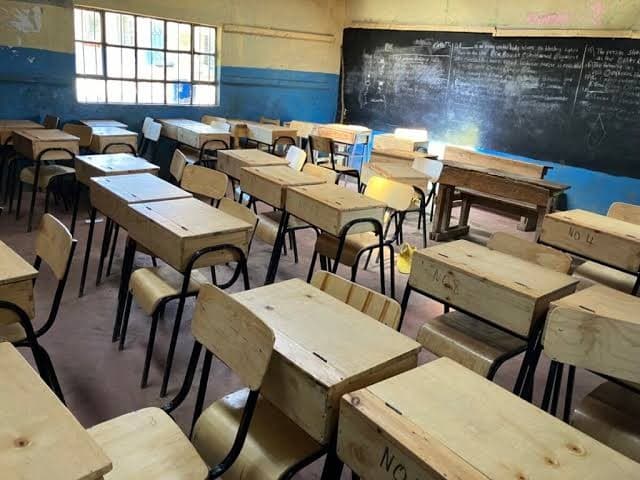
Teachers and school administrators are not immune. Many senior schools are unprepared for the influx of learners under the new system. Gaps in infrastructure, laboratories, and teaching resources make it challenging to deliver the CBE curriculum. Teachers, transitioning from content-heavy 8-4-4 methods, face pressure to provide specialised subjects while supporting emotionally anxious students. Administrator anxiety over staffing, enrolment numbers, and pathway alignment further filters down to classrooms, subtly affecting learner confidence and engagement.
The broader reform context amplifies these pressures. CBE aims to cultivate competence, creativity, and practical skills, but implementation gaps and inconsistent communication create uncertainty at every level. Students sense it, parents worry, and teachers are left to interpret shifting policies without guidance. In such an environment, anxiety is not just individual—it becomes systemic.
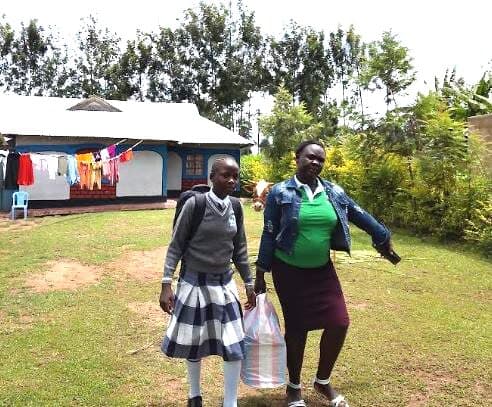
Social adjustment adds another layer. Moving from familiar junior secondary schools to new senior schools challenges students to navigate complex social dynamics, form new friendships, and adapt to different school cultures. Boarding students face separation from home, which can magnify feelings of isolation. Without strong orientation programmes, mentorship, or counselling, learners often internalise their fears, carrying them silently into classrooms and dormitories.
READ ALSO:
https://educationnews.co.ke/narok-trans-mara-teachers-rally-behind-knut-branch-boss-ahead-of-elections/
The consequences of unaddressed anxiety are profound. Chronic stress undermines memory, focus, motivation, and academic performance. Learners may disengage, avoid school, or develop negative attitudes toward education, directly opposing the goals of CBE. In extreme cases, anxiety can escalate to long-term mental health challenges, creating barriers far beyond the classroom.
Yet, anxiety is not inevitable. It is a response to uncertainty, and uncertainty can be mitigated. Schools must prioritise counselling, mentorship, and safe spaces where learners can share concerns without judgment. Teachers need ongoing professional development, not only in curriculum delivery but also in recognising and managing adolescent anxiety. Parents must be treated as partners, guided in supporting their children both academically and emotionally. Transparent communication from education authorities about placement criteria, pathway options, and flexibility can build confidence, replacing fear with clarity.
At its core, the transition to Grade 10 is an opportunity for growth. When managed well, it can foster resilience, independence, and motivation. Schools that balance academic rigour with emotional support create environments where learners view challenges as opportunities rather than threats. Teachers, administrators, and parents who understand the emotional dimensions of learning contribute to a system that is not only competent but compassionate.
The success of Kenya’s education reform will be measured not just by curriculum implementation or exam results, but by the confidence, adaptability, and well-being of learners. Anxiety, if left unchecked, threatens to erode these outcomes. But with deliberate support, it can be transformed into motivation, curiosity, and resilience. The first cohorts entering senior schools under CBE face uncertainty, but they are also at the forefront of an educational evolution.
Thoughtful interventions can ensure that senior schools become spaces of learning, growth, and hope rather than stress and fear.
In conclusion, anxiety in senior schools is both a symptom and a signal—a reflection of the pressures inherent in systemic change and a call to action for educators, parents, and policymakers. Recognising and addressing these emotional realities is essential to nurturing learners who are not only academically capable but also emotionally resilient. The transition to Grade 10, while challenging, is an opportunity to shape a generation equipped with both knowledge and emotional intelligence, prepared to thrive in a rapidly evolving world.
By Hillary Muhalya
You can also follow our social media pages on Twitter: Education News KE and Facebook: Education News Newspaper for timely updates.
>>> Click here to stay up-to-date with trending regional stories
>>> Click here to read more informed opinions on the country’s education landscape
>>> Click here to stay ahead with the latest national news.

Reader Discussion (0)
Sign in to comment