







As political activity begins to intensify ahead of the 2027 General Election, growing concern over rising youth unemployment is prompting urgent calls for intervention, with stakeholders warning that failure to act could expose thousands of young people to exploitation and social unrest.
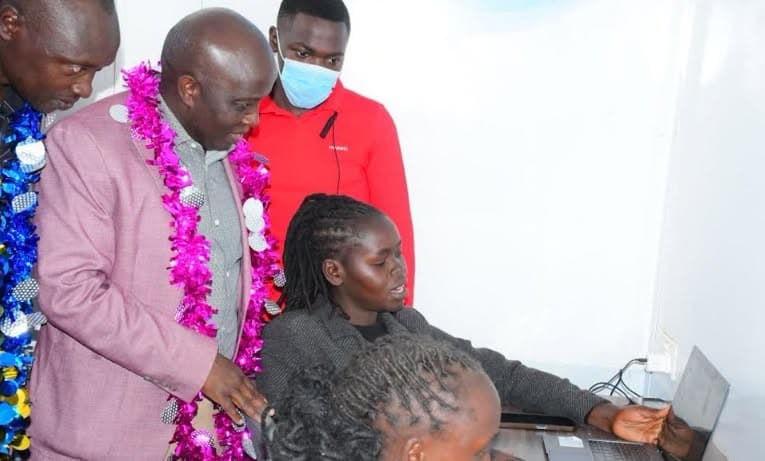
In Thika town, however, a quiet transformation is underway. A group of young people is embracing film production and digital technology as a pathway to economic empowerment, thanks to a grassroots initiative spearheaded by youth leader Joseph Giathi, popularly known as Mzalendo JT.
The program, which offers free training in film-making, content creation, and digital skills, is providing a lifeline to youth who might otherwise be vulnerable to crime, drug abuse, and other social vices.
Speaking during one of the training sessions, Mzalendo JT cautioned that the growing number of idle youth presents a significant risk, particularly during politically charged periods.
“Many young people are idle, and that idleness is dangerous, especially during this political season. Leaders must act now and empower the youth with skills and opportunities before it’s too late,” he said.
Giathi, a film producer and Chief Executive Officer of Pepe Media Company, emphasised the transformative potential of technology in addressing unemployment. He noted that digital platforms and creative industries are opening up new income streams, especially for young people willing to acquire relevant skills.
“As the election season approaches, early engagement is critical. If we fail to address youth unemployment, we risk heightened tensions and possible instability,” he warned.
He also urged young people to resist being manipulated by politicians for short-term gains, encouraging them instead to focus on building sustainable careers in the creative and technology sectors.
Beneficiaries of the initiative, operating under the Sauti Pepe Media program led by Felix Kithinji and Jemimah Wanjiru, say the training has significantly altered their life trajectories.
“Without this training, some of us would have ended up in crime or drugs. Now we have skills, and we can earn a living,” said Kithinji.
Wanjiru echoed similar sentiments, noting that the program has instilled discipline, purpose, and hope among participants who had previously felt marginalised.
Despite these gains, the youth expressed frustration over what they described as the inaccessibility of government empowerment funds at the grassroots level. They said that resources intended to support youth initiatives often fail to reach those most in need.
The group is now calling on political, religious, and community leaders to prioritise investments in job creation, particularly in the arts and technology sectors, which they view as critical avenues for engaging the country’s youthful population.
READ ALSO: Activists warn of growing drug and alcohol abuse among youths in Kericho
Analysts warn that with Kenya’s large youth demographic, the stakes are high. Failure to meaningfully address unemployment could not only derail individual futures but also pose broader risks to national cohesion and stability.
As the country inches closer to another election cycle, initiatives like the one in Thika are emerging as vital models for grassroots empowerment, demonstrating that equipping young people with practical skills may be one of the most effective ways to secure both their future and the nation’s peace.
By Felix Wanderi
You can also follow our social media pages on Twitter: Education News KE and Facebook: Education News Newspaper for timely updates.
>>> Click here to stay up-to-date with trending regional stories
>>> Click here to read more informed opinions on the country’s education landscape
>>> Click here to stay ahead with the latest national news.



Reader Discussion (0)
Sign in to comment