




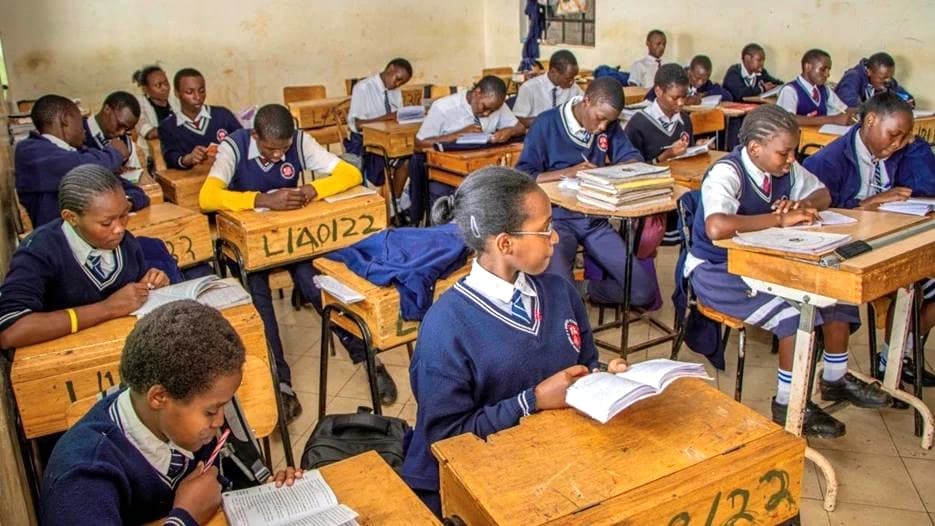




Across staffrooms, corridors, and once-vibrant classrooms, a quiet but consequential departure is unfolding. It is not announced in press briefings or marked by dramatic walkouts. Instead, it happens one resignation letter at a time, one early retirement, one disillusioned teacher choosing a different path. This is the silent exodus of teachers from classrooms, and it is reshaping education in ways that policymakers have yet to confront fully.
Teaching has traditionally been viewed as a calling—anchored in service, sacrifice, and social responsibility. For decades, teachers endured modest pay, heavy workloads, and limited recognition because the profession carried dignity and purpose. Today, however, that moral contract has frayed. Increasingly, teachers feel overworked, underappreciated, and unheard, prompting many to ask a once-unthinkable question: Is it still worth staying?
At the heart of this exodus lies workload inflation. Modern teachers are no longer just instructors; they are data clerks, counsellors, social workers, disciplinarians, curriculum interpreters, and public relations officers for their schools. The shift to competency-based systems, while well-intentioned, has multiplied paperwork, reporting tools, and assessment demands without reducing teaching hours. Teachers spend evenings and weekends filling templates, uploading evidence, and responding to endless directives, leaving little room for rest, reflection, or family life. Teaching no longer ends when the bell rings; it follows teachers home.
Closely tied to workload is professional burnout. Many teachers describe emotional exhaustion that goes beyond physical tiredness. They face overcrowded classrooms, learners with complex social and emotional needs, and rising parental pressure, often without adequate training or support. Mental health challenges among learners have increased, yet teachers are expected to manage them with minimal preparation. Over time, the emotional labour becomes overwhelming. Passion gives way to survival mode, and eventually, to disengagement.
Another powerful driver is the erosion of professional dignity. Teachers increasingly feel mistrusted and micromanaged. Policies are often rolled out without sufficient consultation, yet teachers are blamed when implementation falters. Public discourse sometimes paints educators as resistant to change or unwilling to adapt, ignoring the structural constraints they face. This constant scrutiny, combined with limited autonomy in decision-making, leaves teachers feeling reduced to mere implementers rather than respected professionals.
Remuneration and economic pressure cannot be ignored. While teaching demands have expanded, salaries have largely stagnated, failing to keep pace with inflation and rising living costs. Many teachers struggle with rent, school fees for their own children, healthcare, and basic household expenses. The irony is painful: those entrusted with shaping the nation’s future often live with financial anxiety. For younger teachers, especially, the profession no longer offers economic security or upward mobility. Some leave for better-paying sectors; others migrate abroad where their skills are more valued.
Leadership and governance issues further compound the problem. In many institutions, school leadership is administrative rather than instructional. Teachers report environments characterised by top-down, punitive, and fear-driven communication. Performance appraisals are sometimes perceived as tools for control rather than growth. When leadership lacks empathy and pedagogical understanding, morale deteriorates. Teachers thrive under supportive leadership, but where leadership is absent or authoritarian, exits accelerate.
READ ALSO:
https://educationnews.co.ke/ngec-report-shows-nairobi-schools-top-in-learner-abuse-cases-across-kenya/
The loss of career progression pathways has also dimmed motivation. For years, teachers have been promised structured promotion, professional development, and recognition of specialisation. In practice, opportunities remain limited and uneven. Highly trained teachers often find themselves stuck in the same roles for decades, regardless of experience or additional qualifications. Without a sense of growth, stagnation sets in, and departure seems like the only path forward.
Technology, once hailed as a solution, has paradoxically added to the strain. Digital platforms have increased expectations for instant reporting, constant availability, and continuous monitoring. Teachers are expected to master new systems with little training and unreliable infrastructure, especially in rural and marginalised areas. Instead of easing work, technology often amplifies stress, creating a sense of perpetual catch-up.
Perhaps most troubling is the generational shift in perception of teaching. Young graduates entering the profession quickly encounter a reality that clashes with their expectations. They see older colleagues exhausted and demoralised. They experience limited mentorship and overwhelming demands early in their careers. Many leave within the first five years, concluding that long-term survival in the classroom requires sacrifices they are unwilling—or unable—to make.
The consequences of this silent exodus are profound. Learners lose experienced educators whose institutional memory, classroom wisdom, and mentorship cannot be replaced overnight. Remaining teachers shoulder heavier burdens, accelerating further burnout. Teacher shortages widen inequality, as disadvantaged schools struggle most to attract and retain staff. Ultimately, the quality and continuity of learning suffer.
Reversing this trend requires more than recruitment drives and policy slogans. It demands a recommitment to the teacher as the central pillar of education. Workloads must be rationalised, not merely redistributed. Teachers must be meaningfully involved in the design and implementation of policies. Salaries and welfare need an honest review, aligned with the realities of modern life. Leadership training should emphasise empathy, pedagogy, and people management. Most importantly, society must restore respect for the profession—not as rhetoric, but through action.
The silent exodus is not inevitable. It is a response to conditions that can be changed. If ignored, classrooms will continue to empty quietly, and learners and the nation alike will bear the cost. If addressed with urgency and sincerity, teaching can once again become a profession where commitment is rewarded, voices are heard, and staying feels as purposeful as leaving now seems necessary.
By Hillary Muhalya
You can also follow our social media pages on Twitter: Education News KE and Facebook: Education News Newspaper for timely updates.
>>> Click here to stay up-to-date with trending regional stories
>>> Click here to read more informed opinions on the country’s education landscape
>>> Click here to stay ahead with the latest national news.




Reader Discussion (0)
Sign in to comment