



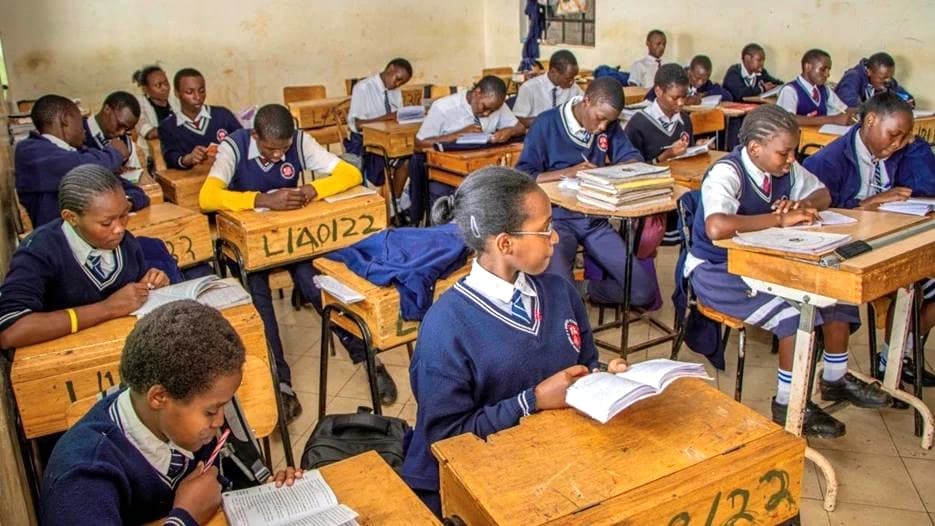



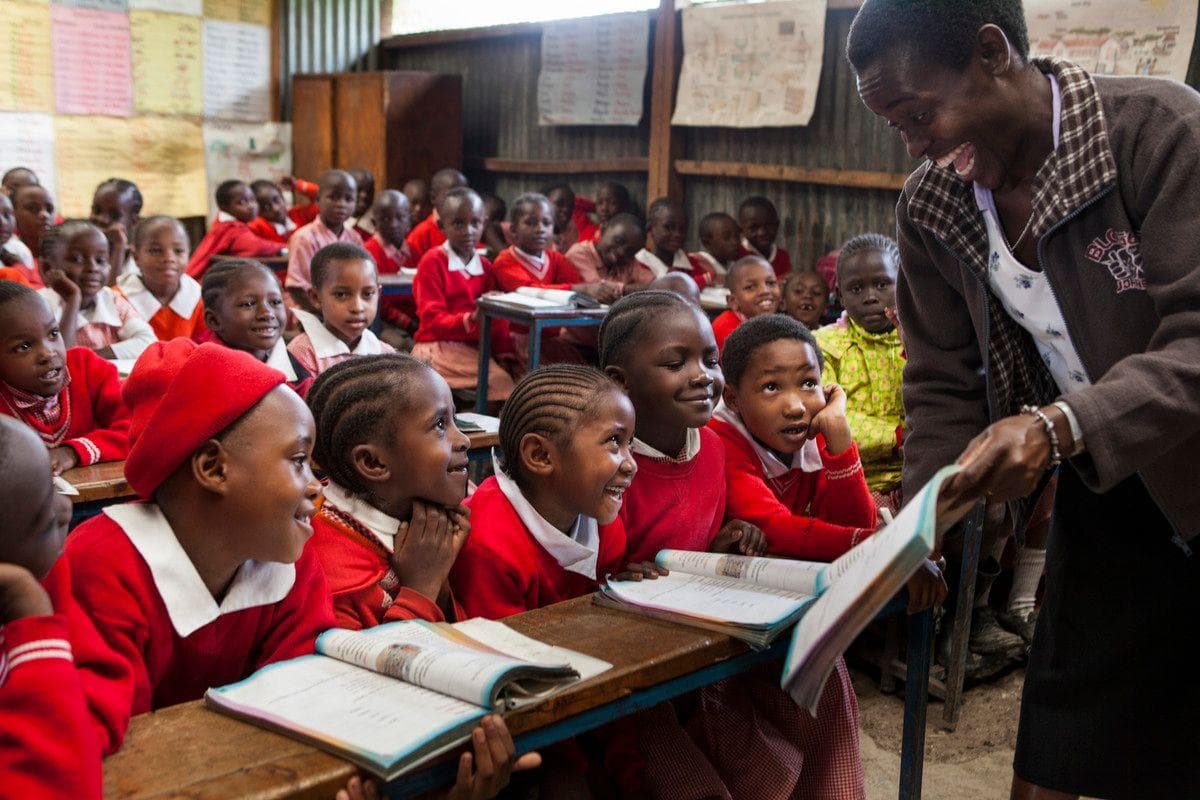
Kenya’s education system, celebrated for its progress and resilience, is quietly facing a ticking time bomb: a nationwide teacher shortage in the most critical 21st-century subjects. Schools across the country are grappling with a dual problem—a glaring shortage of qualified teachers in science, technical, language, creative, and practical fields —and, more worrying, a growing reluctance among trained teachers to remain in classrooms. This crisis threatens Kenya’s future competitiveness, innovation, and workforce development.
Science and technical subjects—Mathematics, Physics, Chemistry, Computer Studies, Technical Drawing, Agriculture, and vocational courses—form the backbone of STEM and industrial growth. Yet despite rising demand, the supply of competent teachers remains dangerously low. Teaching these subjects requires specialised training, practical skills, and equipment-intensive lessons. This reduces the pool of eligible teachers and leaves schools, especially in rural regions, struggling to fill vacancies. Urban schools, better resourced and attractive, absorb the few qualified professionals, deepening inequality. Too often, schools deploy non-specialists in technical classrooms—shortchanging learners and weakening the credibility of these essential subjects.
Even where qualified teachers exist, many prefer other professions, and the reasons are painfully clear. Technical and science teaching is demanding. Lessons extend beyond theory to complex practical experiments, laboratory management, equipment maintenance, and safety protocols. In underfunded schools, teachers must improvise experiments or abandon them entirely, affecting both learning outcomes and job satisfaction. The workload is heavy, remuneration modest, and career progression slow. While teaching struggles to reward subject specialisation, industry, ICT firms, engineering companies, and laboratories offer better pay, quicker growth, and greater respect for technical expertise.
The crisis is not confined to STEM. Language teachers—English, French, German, Arabic, and Mandarin—are increasingly in high demand in a globalised world. Diplomacy, international trade, tourism, multinational organisations, and scholarship pathways all depend on multilingual competence. Schools, universities, NGOs, corporate training programs, and online platforms urgently require qualified language educators who can prepare learners for global opportunities.
READ ALSO:
https://educationnews.co.ke/kitui-governor-urges-youth-to-pursue-education-pledges-support-for-fallen-county-executives-children/
Equally important—and often overlooked—are teachers of Creative Arts, Music, Technical Drawing, and Home Science. These fields are among Kenya’s fastest-growing professional areas. Creative Arts and Music teachers feed booming industries such as film, advertising, digital content creation, entertainment, and cultural preservation. Technical Drawing educators are central to architecture, construction, industrial design, and engineering drafting—fields where precision and creativity are indispensable. Home Science teachers anchor vital sectors such as nutrition, textile and fashion design, hospitality, food technology, child development, and community health. Far from being “minor subjects,” these areas are powerful economic drivers, and the teachers who specialise in them are highly marketable across schools, polytechnics, design studios, hospitality institutions, corporate training spaces, and entrepreneurial ventures.
With such vast opportunities, it is no surprise that teachers often find non-teaching careers more attractive. Science, technical, language, and arts educators all possess transferable skills that industries reward handsomely. From ICT and engineering to translation, fashion, content creation, culinary arts, research, and consultancy, these teachers thrive in environments that offer better pay, structured progression, and respect for professional expertise.
So the question emerges: Is teaching better than these other professions? The answer depends on values. Teaching offers an unmatched purpose: shaping future scientists, engineers, designers, global communicators, and innovators. It provides societal respect, stability, and the satisfaction of nurturing talent. Yet when weighed against compensation, growth potential, or the ability to apply specialised skills, teaching often loses the contest. For many educators, the sustainable balance lies in a hybrid path—teaching while exploring private tutoring, online education, consultancy, design work, or industry collaborations.
Kenya, however, cannot afford to lose these experts without confronting the root causes. Policy makers must step forward with strategic precision and courage. The country needs a deliberate, well-funded national plan to attract and retain teachers in these high-demand fields. This includes competitive subject-based allowances, reliable laboratory and creative-arts infrastructure, language departments equipped for modern communication, clear promotion pathways that reward specialisation, and retention incentives tailored to high-skill areas. Success will require policymakers to treat teaching as a cornerstone of national development rather than a fallback career.
Kenya’s future depends on decisive action. Every student deprived of quality instruction in science, technical, language, or creative subjects represents a lost opportunity for national progress. Every expert who leaves the classroom—or never enters it—weakens the pipeline of engineers, designers, innovators, global communicators, and creative professionals the country urgently needs. With bold leadership, investment, and intentional reform, Kenya can reclaim the prestige of teaching and build an education system that attracts—and keeps—the brightest minds.
The clock is ticking. The future will not wait.
By Hillary Muhalya
You can also follow our social media pages on Twitter: Education News KE and Facebook: Education News Newspaper for timely updates.
>>> Click here to stay up-to-date with trending regional stories
>>> Click here to read more informed opinions on the country’s education landscape
>>> Click here to stay ahead with the latest national news.


Reader Discussion (0)
Sign in to comment