








As the calendar of union politics moves steadily toward the national elections of the Kenya Union of Post Primary Education Teachers (KUPPET), a historic and highly competitive contest is shaping the future of teacher representation in Kenya.
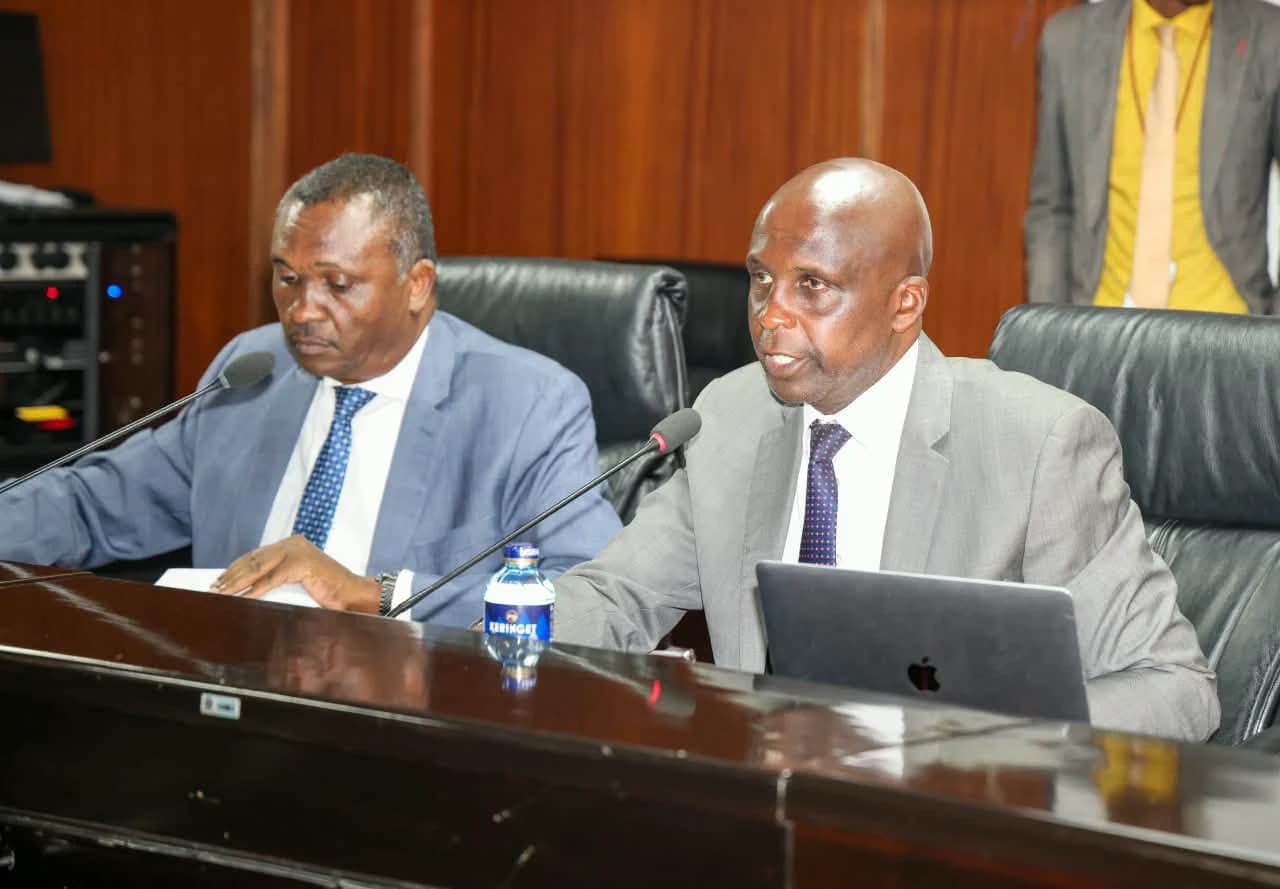
The race for the Secretary-General position has emerged as the centerpiece of the 2026 union elections, pitting two influential figures against each other: Former Bomet Central Member of Parliament (MP) Ronald Kiprotich Tonui and the long-serving incumbent Akelo Misori who has served at union helm for over 15 years.
The national elections are scheduled for April, thirty-one days after the conclusion of branch elections held across the country on March 8, 2026. Those branch contests have already reshaped the internal landscape of the union, ushering in a new generation of officials and energizing debates about the direction of the organization.
A Contest between Continuity and Reform
At its core, the Tonui–Misori duel represents more than a simple leadership contest; it reflects two competing visions for the future of the teachers’ union.
Misori, a seasoned unionist who has served the organization for years, commands the loyalty of experienced officials who credit his tenure with providing stability and continuity within the union. His supporters believe that maintaining the current structure and leadership approach will safeguard the gains teachers have made over time.
On the other side stands Ronald Kiprotich Tonui, a rising voice within the union whose candidacy has galvanized a reformist movement. Backed strongly by Team Reforms, a coalition largely composed of younger officials and first-time branch leaders elected in the recent polls, Tonui represents the aspirations of a new generation eager to modernize the union.
ALSO READ:
https://educationnews.co.ke/ps-bitok-west-pokot-leaders-to-launch/
For many within, this reformist camp, the 2026 elections present a rare opportunity to reshape the internal culture and constitutional framework of the union.
The Reform Agenda
Team Reforms has rallied around Tonui with a clear message: the union must evolve to remain relevant to teachers facing new professional and economic challenges.
Central to this agenda is the call for constitutional reforms within KUPPET .
Reform advocates argue that certain clauses in the union’s constitution have become restrictive and discourage participation in leadership contests.
One particularly contentious issue is the requirement for aspirants to pay substantial nomination fees when seeking union office.
Reformists contend that such fees limit democratic competition by locking out capable teachers who may not have the financial resources to participate fully in union politics.
They often point to the approach adopted by the Kenya National Union of Teachers (KNUT), which does not impose such nomination fees on aspirants.
According to Team Reforms, eliminating or reviewing such provisions would create a more inclusive, democratic, and representative union structure.
Tonui’s Message to Delegates
While addressing teachers and union delegates in recent meetings, Ronald Tonui outlined a manifesto centered on inclusivity, accountability, and renewed advocacy for educators.
ALSO READ:
https://educationnews.co.ke/11-kapsabet-school-for-the-deaf-students/
He emphasized that the union must remain firmly grounded in the interests of teachers at the classroom level.
Tonui has repeatedly described himself as ‘pro-teacher and pro-reform’, pledging to champion policies that strengthen teachers’ welfare, professional dignity, and participation in decision-making.
In his engagements with delegates, he has appealed for unity across generational lines—calling on both experienced union leaders and newly elected officials to work together in shaping the next chapter of the organization.
“Our union must reflect the voices of all teachers,” Tonui said during one address. “Seasoned leaders and new entrants alike have a role to play in building a stronger and more democratic KUPPET.”
A Union at a Crossroads
As April approaches, anticipation continues to build within the teaching fraternity. Delegates will soon be tasked with making a choice that may determine whether the union continues along its current path or embarks on a new reform-driven trajectory.
For many observers, the Misori-Tonui contest symbolizes a broader generational shift taking place within professional organizations across Kenya. The debate is not merely about personalities but about principles—continuity versus change, experience versus renewal.
Regardless of the outcome, one fact remains clear: the upcoming elections will mark a defining moment for KUPPET and the thousands of teachers whose voices it represents.
In the weeks ahead, teachers across the country will be watching closely as the race unfolds—aware that the decision made by delegates will shape the future of their union and the strength of their collective voice.
The contest has begun, and the future of teacher representation now hangs in the balance.
By Wesley chelule
You can also follow our social media pages on Twitter: Education News KE and Facebook: Education News Newspaper for timely updates.
>>> Click here to stay up-to-date with trending regional stories
>>> Click here to read more informed opinions on the country’s education landscape



Reader Discussion (0)
Sign in to comment