







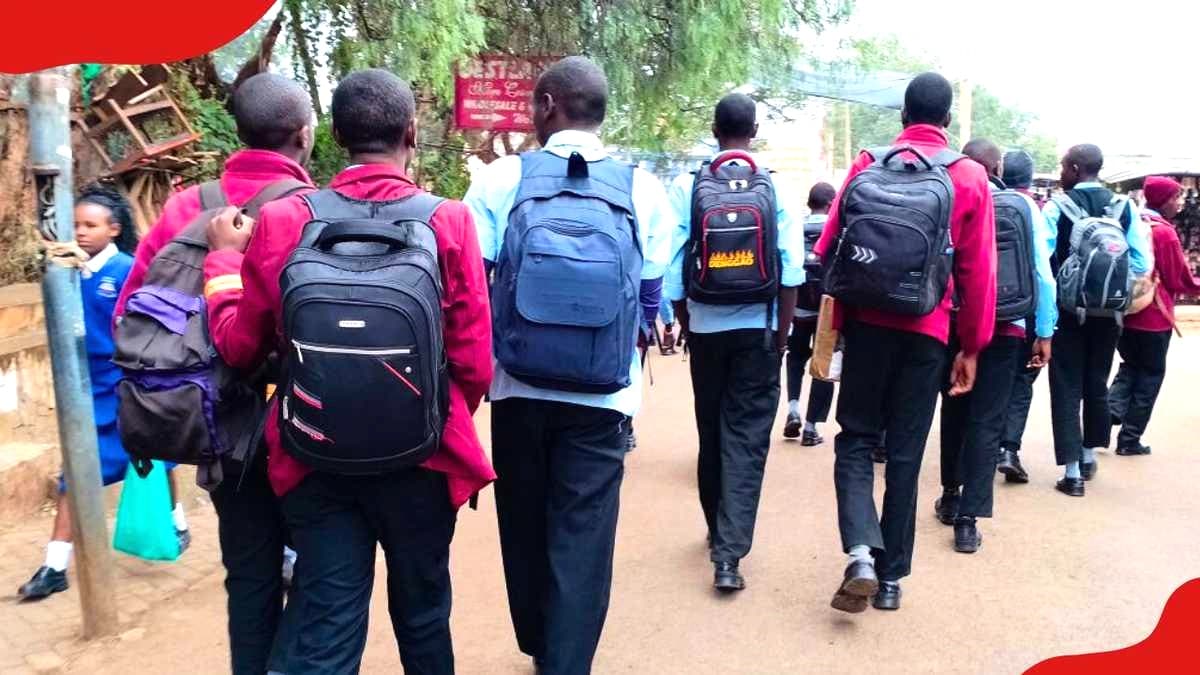

Half-term break always arrives like a sigh of relief. For learners, it is freedom from routine. For teachers, it is a pause from relentless schedules. For school leaders, it is a brief window to breathe, recalibrate, and reorganize. But when the gates reopen and the bell rings again, reality returns with multiplied intensity. The aftermath of half term is never neutral. It is either a springboard or a stumbling block.
The question is not whether half term affects schools. It does. The real question is: how prepared are we for its aftermath?
The Learners: Between Relaxation and Regression
For many learners, half term disrupts academic rhythm. The brain, like muscle, responds to consistency. When routine is broken, especially in environments where home structures are weak, learning momentum can decline. Some learners return refreshed, yes—but others return rusty.
Assignments remain unfinished. Reading habits slow down. Sleep schedules shift. Screen time increases, and the discipline cultivated over weeks is suddenly loosened.
In urban centers like Nairobi, where digital distractions are readily available, the post–half term slump can be visible. Teachers report slower response rates in class discussions. Concentration dips. Even handwriting appears less deliberate. It takes almost a week to restore classroom tempo.
But half term does not affect all learners equally. Those from structured homes often resume with little difficulty. Those from unstable backgrounds return carrying more than books. They return with emotional burdens—family conflicts, economic stress, or exposure to environments that do not prioritize education. The aftermath, therefore, is not merely academic. It is psychological.
Teachers: Marking, Meetings, and Mounting Pressure
Half term for teachers is rarely a holiday. Scripts are marked. Schemes of work are revised. Reports are prepared. Meetings—both formal and informal—fill the days.
ALSO READ:
https://educationnews.co.ke/kejusta-intensifies-autonomy-push/
By the time school resumes, teachers are expected to accelerate syllabus coverage. The calendar does not slow down simply because learners took a break. National assessment timelines remain fixed. Internal targets remain ambitious.
In Kenya, the pressure is amplified under the Competency-Based Curriculum framework supervised by the Kenya Institute of Curriculum Development. Continuous assessment tasks demand documentation, evidence collection, and detailed feedback. After half term, teachers often juggle revision, new content delivery, and assessment catch-up simultaneously.
Fatigue becomes a silent companion.
Yet professionalism demands composure. The teacher must appear energized—even when energy reserves are low. This emotional labor is rarely acknowledged, but it defines the post–half term environment.
School Leadership: Stability or Storm?
For principals and head teachers, half term is a strategic checkpoint. It is a moment to evaluate performance trends, attendance patterns, and financial expenditures.
But the aftermath is where leadership is tested.
Fees may still be unpaid. Staff grievances may have brewed during the break. Infrastructure issues discovered during closure require urgent repair. Parents request transfers. Board meetings loom.
In some schools, enrollment drops after half term as families quietly withdraw learners due to economic hardship. In others, disciplinary cases spike because boundaries softened during the holiday.
Leadership must therefore transition swiftly from reflection to action.
The reopening week becomes a microcosm of the entire term: discipline enforcement, motivational assemblies, performance reviews, and renewed vision casting.
A weak start after half term often leads to a weak finish.
Discipline: The First Casualty
Routine is the backbone of discipline. When routine is interrupted, discipline becomes vulnerable.
Late coming increases. Dress code compliance weakens. Noise levels rise. Boarding schools particularly feel this shift; reintegration into shared living requires adjustment.
Some learners test boundaries. They want to see whether rules remain intact. The firmness of the first week determines behavioral patterns for the remainder of the term.
ALSO READ:
https://educationnews.co.ke/tongaren-mp-education-bursaries-sirakaru/
Experienced administrators understand this psychology. Expectations must be restated clearly and calmly. Assemblies after half term are not ceremonial—they are strategic.
Consistency restores order.
Academic Momentum: Recovering Lost Ground
Half term often divides the syllabus into two psychological halves. Before the break, urgency builds toward assessment. After the break, urgency must be reignited.
The danger lies in complacency. Both learners and teachers may subconsciously feel that “there is still time.” Yet time moves faster in the second half of term.
Remedial classes become necessary. Continuous assessment tasks pile up. Group projects require coordination. Sports and co-curricular competitions intensify.
In secondary institutions under the Teachers Service Commission, performance monitoring frameworks demand accountability. Targets set at the beginning of term must now show measurable progress.
The aftermath of half term is therefore not relaxation—it is acceleration.
Emotional Climate: Reset or Residue?
Half term can either cool tensions or intensify them.
Conflicts unresolved before the break sometimes resurface more sharply. Staff disagreements over workload allocation, learners’ disputes, or even parent-teacher misunderstandings can escalate if not addressed promptly.
On the positive side, half term also offers emotional reset. Learners who were overwhelmed return calmer. Teachers who were frustrated return more patient.
The emotional temperature of the school after half term depends largely on leadership tone. A calm, organized reopening sends a signal of stability. Chaos at reopening multiplies anxiety.
Schools are ecosystems. Energy spreads quickly.
Parents: Expectations Reawakened
Half term often reconnects parents with their children’s academic realities. Some parents review books and discover gaps. Others attend mid-term meetings or receive performance updates.
After half term, communication between school and home becomes critical. Parents expect improvement where weaknesses were noted. They monitor more closely. They question more directly.
ALSO READ:
https://educationnews.co.ke/kessha-unveils-2026-calendar-of-events/
If academic performance was declining before the break, the aftermath becomes a period of scrutiny.
Schools that communicate transparently thrive in this period. Those that remain silent breed speculation.
The Hidden Economic Factor
Half term also exposes financial fault lines. Transport costs increase. Pocket money strains households. Some families struggle to raise balance fees.
In economically fragile regions, post–half term absenteeism reflects more than indiscipline—it reflects hardship.
School leaders must balance firmness with empathy. Policies require enforcement, but humanity requires understanding.
The aftermath tests not only administrative skill but moral judgment.
Turning Aftermath into Advantage
Despite its challenges, half term aftermath can be transformative.
It is an opportunity to:
Reassess teaching strategies, identify struggling learners early,tighten discipline systems,strengthen parental engagement, refocus institutional vision.
The key lies in intentional planning.
A structured reopening schedule helps. Clear academic targets energize learners. Staff briefings align expectations. Motivational talks rebuild morale.
Half term should not be viewed as disruption—but as recalibration.
Final ReflectionThe aftermath of half term reveals the true culture of a school. Strong institutions regain rhythm within days. Fragile institutions struggle for weeks.
Breaks are inevitable. Disruption is natural. But resilience is cultivated.
The bell after half term rings louder because it carries expectation. It signals that time is limited, targets remain, and excellence cannot wait.
For learners, it is a reminder that relaxation has ended.
For teachers, it is a reminder that acceleration has begun.
For leaders, it is a reminder that stability must be visible.
Half term is a pause. The aftermath is the test.
In the end, schools are not defined by how they rest—but by how they resume.
By Hillary Muhalya
You can also follow our social media pages on Twitter: Education News KE and Facebook: Education News Newspaper for timely updates.
>>> Click here to stay up-to-date with trending regional stories
>>> Click here to read more informed opinions on the country’s education landscape



Reader Discussion (0)
Sign in to comment