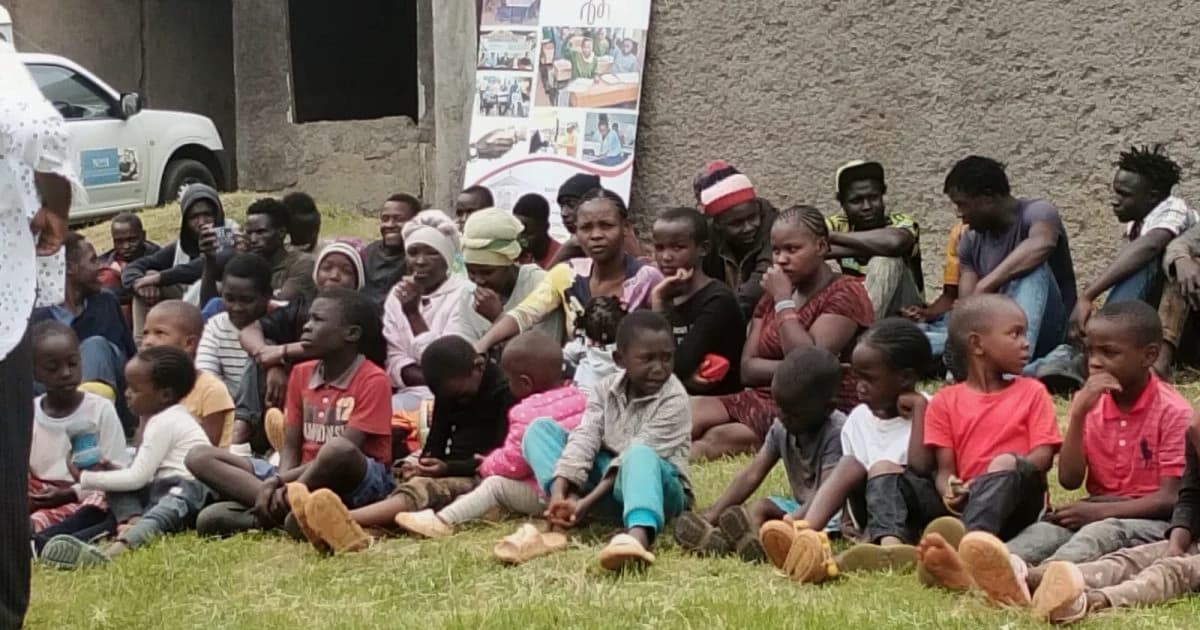





Teen marriages and female genital mutilation (FGM) remain entrenched among pastoral communities in the North Rift, prompting renewed calls for stronger enforcement of existing laws and deeper community-led interventions. Girls’ rights advocate Nancy Kiptoo identified Tiaty, Bartabwa, Kalabata, Barwesa, Mogotio, Baringo South, and the lower Kerio Belt as hotspots where cases continue to be reported despite legal prohibitions and government campaigns.
While addressing the press, Kiptoo described teen marriages and FGM as outdated, harmful practices that deny girls their childhood, education, and future. She noted that in some instances, men within the communities actively encourage the vices, reinforcing cultural norms that perpetuate harm. “These practices are still very common in these areas, despite the existence of laws meant to protect girls,” she said, calling the situation alarming and unacceptable.
Kiptoo challenged local leadership to take responsibility for change, arguing that national efforts cannot succeed without grassroots commitment. “Community leaders must be at the forefront in addressing these issues. Government efforts alone are not enough without local leadership involvement,” she said, urging elders, opinion shapers, and youth leaders to champion protection and accountability within their communities.
According to Kiptoo, girls as young as 13 are being married off immediately after undergoing FGM, a pattern that entrenches cycles of abuse and poverty. She emphasised that early marriage following FGM strips girls of their rights and opportunities, pushing them out of school and into lifelong vulnerability. “We have cases where girls as young as 13 are subjected to FGM and then forced into marriage. This denies them their childhood, education and future,” she noted.
ALSO READ:
https://educationnews.co.ke/tsc-reshuffles-regional-county-directors-in-fresh-changes/
The advocate called for sustained awareness and education programmes targeting girls and families in affected areas, arguing that empowerment through schooling is central to ending the practices. She urged civil society organisations to expand outreach and support networks, including safe reporting channels and community dialogues that challenge harmful norms while offering alternatives.
Religious leaders echoed the call for protection, with Bishop William Kitilit urging communities to uphold the dignity and rights of girls. “These practices violate the rights and dignity of girls. Communities must fully respect and protect them,” he said, adding that faith institutions can play a pivotal role in shifting attitudes and promoting child safeguarding.
The leaders urged stronger collaboration between government agencies, community elders, religious institutions, and civil society groups to eradicate teen marriages and FGM in the region. They stressed that enforcement must be paired with prevention, combining legal action, education, and culturally sensitive engagement to dismantle entrenched practices and secure a safer future for girls across the North Rift.
By Kimutai Langat
You can also follow our social media pages on Twitter: Education News KE and Facebook: Education News Newspaper for timely updates.
>>> Click here to stay up-to-date with trending regional stories
>>> Click here to read more informed opinions on the country’s education landscape

Reader Discussion (0)
Sign in to comment